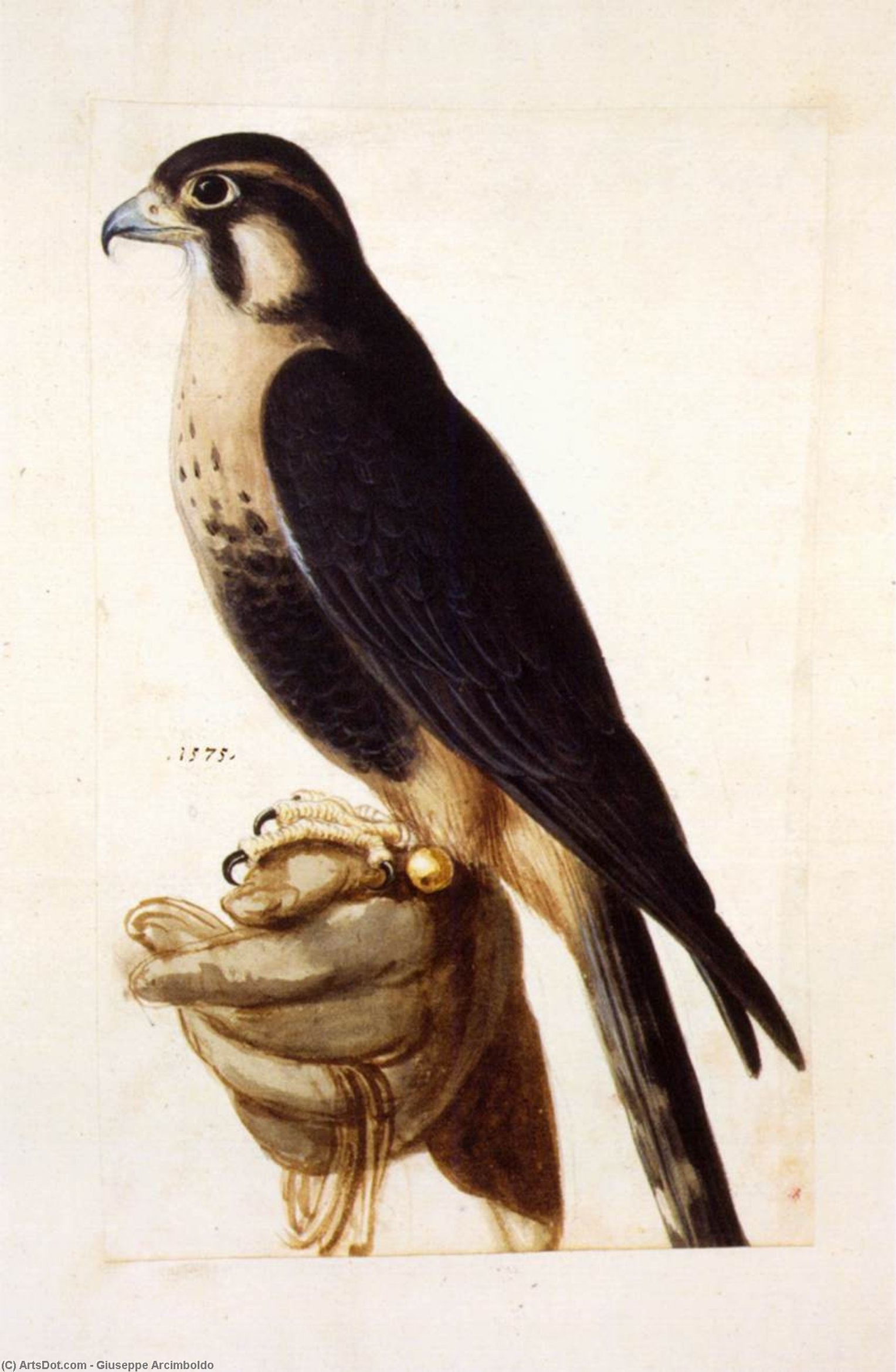
Discover Giuseppe Arcimboldo (1527-1593), the Italian Mannerist master renowned for his surreal portraits composed of fruits, vegetables & objects. Explore his whimsical yet insightful art!
Discover the Österreichische Nationalbibliothek in Vienna! Explore over 12M items – rare manuscripts, Baroque architecture & museums dedicated to Literature, Papyrus, Globes & Austrian History. A cultural treasure awaits!
Giuseppe Arcimboldo’s Nature Studies: A Renaissance Vision of Harmony
Giuseppe Arcimboldo (1527 – 1593), born in Milan amidst the intellectual fervor of the High Renaissance, stands apart from his contemporaries not merely as a skilled painter but as an artist who fundamentally questioned conventional artistic boundaries. While he initially produced portraits and frescoes reflecting the stylistic norms of his time—primarily serving noble patrons—Arcimboldo swiftly ascended to fame through a series of astonishingly inventive artworks that would forever alter perceptions of visual representation.
His most celebrated creations, collectively termed “Nature Studies,” are not landscapes in the traditional sense but meticulously constructed composite heads composed entirely from organic matter. Apples, pears, plums, oranges, lemons, artichokes, sunflowers, musical instruments—each element is painstakingly arranged to form a recognizable human visage. This seemingly paradoxical approach wasn’t born of mere eccentricity; it stemmed from Arcimboldo's profound engagement with the philosophical currents circulating throughout Europe during his lifetime.
- Symbolism Rooted in Renaissance Thought: Arcimboldo’s work embodies the humanist ideals prevalent at the time, prioritizing observation and understanding of the natural world alongside intellectual contemplation. The choice of fruits and vegetables wasn't arbitrary but deliberately symbolic—representing fertility, abundance, and the cyclical rhythms of life – mirroring concepts central to Neo-Platonic philosophy.
- Technique: Watercolor Mastery Arcimboldo’s technique relied heavily on watercolor painting, a medium favored for its luminous qualities and ability to capture subtle tonal variations. He employed layering techniques—applying thin washes of color over subsequent layers—to achieve remarkable depth and realism despite the unconventional materials used.
- Historical Context: The Habsburg Court Arcimboldo’s artistic endeavors flourished under the patronage of Emperor Maximilian I of Austria, a staunch supporter of humanist scholarship and artistic innovation. His commissions served as a testament to the Habsburg court's commitment to fostering intellectual curiosity and elevating art to a position of prestige.
The emotional impact of Arcimboldo’s “Nature Studies” transcends mere visual spectacle. They invite viewers to contemplate the interconnectedness of humanity and nature—a theme that resonates powerfully with our own contemporary concerns about environmental sustainability. More than just portraits, they are meditations on identity, transformation, and the enduring beauty of the natural world.
Displayed prominently at the Österreichische Nationalbibliothek in Vienna, Arcimboldo’s artworks continue to inspire admiration for their ingenuity and artistic vision. Reproductions offer a captivating glimpse into a bygone era—a testament to the transformative power of art to challenge conventions and illuminate profound truths about human existence.