

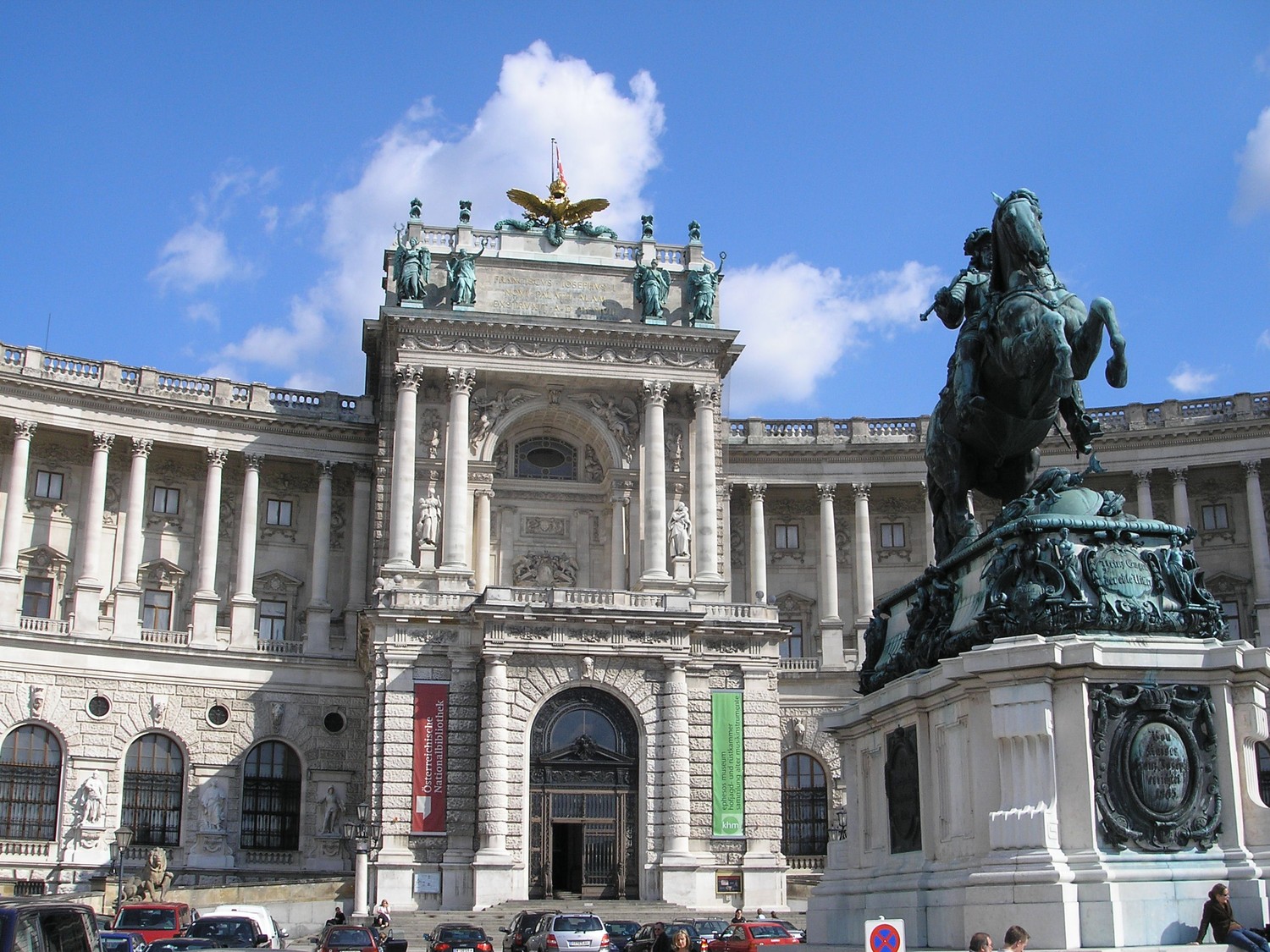
Table of Contents
Quick Facts
- Art types: wallart
- Location: Vienna, Austria
- Works on APS: 35
- Alternate names:
- Österreichische Nationalbibliothek
- ONB
- More…
- Mediums:
- acrylic
- acrylic on canvas
- oil
- watercolor
- Movements:
- baroque
- baroque mannerism
- mannerism
- mannerist influence
- mannerist portraiture
- Featured artists:
- Giuseppe Arcimboldo
- giorgio liberale
- Historical periods: renaissance
Art Quiz
There is only one correct answer for each question.
Question 1:
What is the Österreichische Nationalbibliothek best known for?
Question 2:
Originally conceived in the 14th century, what was the Österreichische Nationalbibliothek initially known as?
Question 3:
Which architectural feature is considered the most iconic within the National Library?
Question 4:
Approximately how many items does the Österreichische Nationalbibliothek safeguard?
Question 5:
What is the Rainer Collection within the library known for?
Question 6:
The architectural style prominently featured in the National Library is:
Question 7:
What does the text mention about the library's commitment?
Question 8:
The State Hall features a fresco depicting the apotheosis of which Emperor?
Exhibited Artists

Giuseppe Arcimboldo
Discover Giuseppe Arcimboldo (1527-1593), the Italian Mannerist master renowned for his surreal portraits composed of fruits, vegetables & objects. Explore his whimsical yet insightful art!

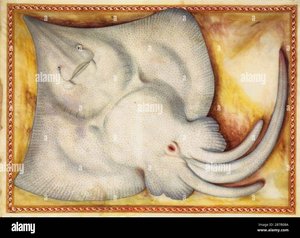
giorgio liberale
Discover Giorgio Liberale (1527-1579), Italian marine artist famed for detailed depictions of Mediterranean sea life – lobsters, skates & more! Explore his masterful realism.
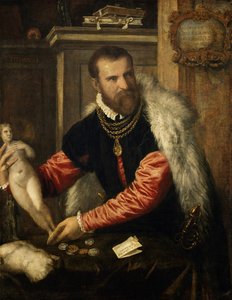
jacopo strada
Jacopo Strada (1507-1588) was a versatile Italian Renaissance artist: painter, architect, goldsmith & collector. Courtier to Habsburg emperors, known for his portrait by Titian and work on the Munich Residenz Antiquarium. A key figure in art dealing
Related Articles

Baroque Drama: Bringing Opulence & Emotion into Contemporary Interiors
Explore the opulent world of Baroque interior design! Discover key elements, modern applications & how to bring dramatic elegance into your home with 's authentic reproductions.
National Gallery London's Masterpieces: 25 Iconic Paintings for Your Home Decor
Journey through the National Gallery London's 25 most iconic paintings! Explore Van Gogh, Monet, Rembrandt & more. Discover art history, techniques & find museum-quality reproductions for your home decor on ArtsDot.com.

The Dramatic Flourish: Exploring the Baroque Movement's Enduring Legacy in Art History
Explore the dramatic world of Baroque art! Discover iconic artists like Caravaggio & Rubens, defining techniques, and its lasting impact on art history. Expert insights for collectors & enthusiasts at ArtsDot.
List of Artworks



Subscribe to Our Newsletter
Stay updated with the latest art news, exclusive offers, and decoration ideas.
Get 3 Free Art Suggestions
Tell us about your project and our art experts will provide you with 3 personalized art suggestions.
Not Sure Where to Start?
Let Us Curate 3 Options Just for You - Free!