Discover Gustav Klimt (1862-1918), the Austrian Symbolist master of Art Nouveau! Explore his iconic 'Golden Phase,' sensual portraits, and masterpieces like *The Kiss*. Learn about his life, influences & legacy.
The Jewish Museum
(New York City, United States of America)
The Jewish Museum is an art museum illuminating the complexity and vibrancy of the global Jewish experience for all audiences. The first institution of its kind in the United States, it is one of the oldest Jewish Museums in the world.
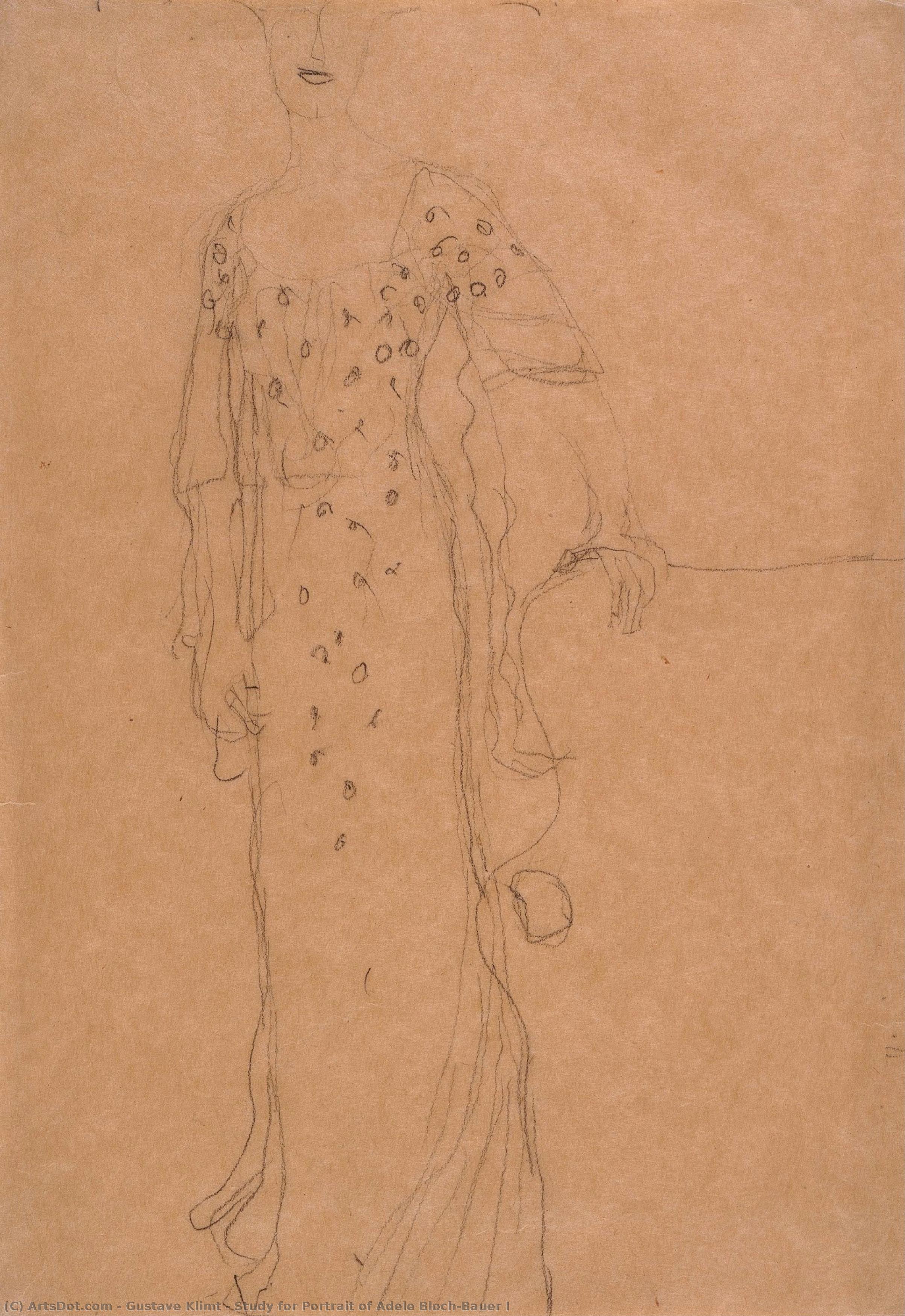
A Glimpse into Viennese Elegance: Gustav Klimt’s Study for Portrait of Adele Bloch-Bauer I
Gustav Klimt's "Study for Portrait of Adele Bloch-Bauer I," executed in 1903, stands as a cornerstone of Viennese Secession art—a movement that boldly rejected academic conventions and embraced opulent ornamentation. Measuring 45 x 31 cm, this preparatory sketch offers an intimate window into Klimt’s creative process and foreshadows the grandeur of his monumental masterpiece completed in 1907.
- Artist: Gustav Klimt (1862 – 1918)
- Born City: Baumgarten
- Born Country: Austria
- Style: Viennese Secession
Klimt’s artistic lineage was deeply rooted in his father's profession as a gold engraver—a craft that instilled within him an unwavering fascination for the transformative power of gold leaf. This influence is palpable throughout Klimt’s oeuvre, including this study, where shimmering gold delicately adorns the canvas, mirroring the lavish aesthetic ideals of the era.
The painting itself depicts a woman seated in repose against a muted brown wall and chair—a deliberate simplification intended to focus attention on her figure. Her hands rest gracefully on her hips, conveying an aura of confidence and poise. Klimt’s meticulous technique captures subtle nuances of light and texture, utilizing broad brushstrokes combined with precise detailing to convey both realism and stylized beauty.
Beyond its visual splendor, “Study for Portrait of Adele Bloch-Bauer I” is laden with symbolic significance. The intricate floral patterns surrounding the woman’s torso represent fertility and femininity—themes prevalent in Art Nouveau art. Klimt's masterful use of color contributes to an emotional resonance that speaks to notions of beauty, desire, and timeless elegance. It embodies the spirit of a generation striving for artistic innovation while simultaneously honoring tradition.
As a reproduction, this artwork allows you to bring Klimt’s visionary aesthetic into your home or workspace. ArtsDot offers exceptionally detailed reproductions crafted with archival inks on premium canvas—capturing the essence of Klimt's original vision and ensuring its enduring beauty for years to come.