


A Tapestry of Time: The Soul of The Jewish Museum
Nestled along the prestigious Museum Mile in Manhattan’s Upper East Side, The Jewish Museum stands as a singular beacon illuminating the multifaceted world of Jewish culture and artistic expression. It is much more than a mere repository of artifacts; it is a living testament to over three millennia of history interwoven with breathtaking creativity. Since its founding in 1904, originally as a collection of ceremonial objects bequeathed by Jacob Schiff and Harry Fischel, the institution has evolved into one of New York City’s most vital cultural landmarks. To walk through its doors is to embark on an unparalleled journey through identity, spirituality, and the relentless pulse of innovation that defines the global Jewish experience.
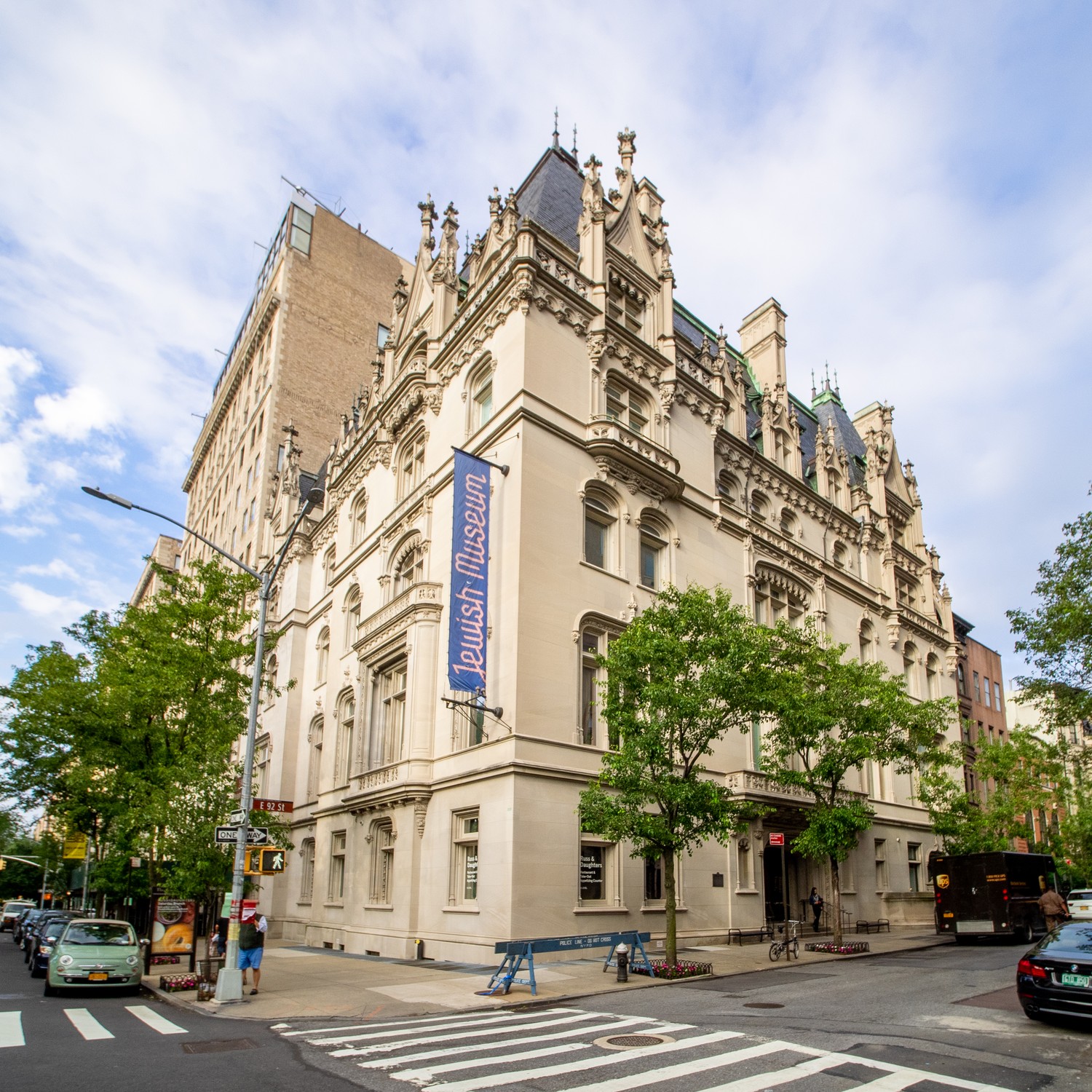
The museum's physical presence is a masterclass in architectural harmony, where historical grandeur meets modern luminosity. The striking façade, designed by Richard Gluckman in 1986, embodies an intentional openness, inviting the light of the city to interact with the treasures within. This contemporary vision is beautifully juxtapousced against the exquisite Warburg House, a 1944 gift from Frieda Schiff Warburg. With its charming châteauesque style, the house provides a nostalgic, stately backdrop that mirrors the museum’s own evolution—a bridge between the weight of tradition and the clarity of the present day. For the admirer of design, this interplay of textures and eras offers a sophisticated atmosphere that is as intellectually stimulating as it is visually captivating.
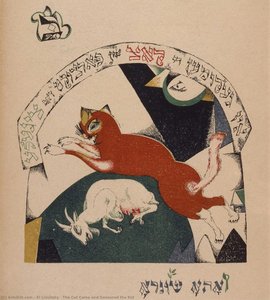
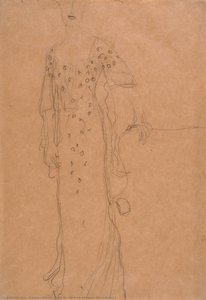
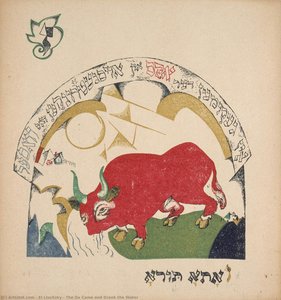
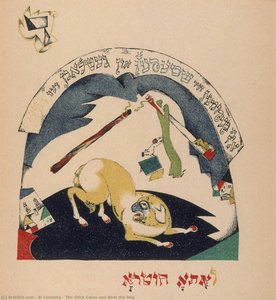
The collection itself is an extraordinary dialogue between the sacred and the avant-garde. Visitors may find themselves moved by the delicate, meticulous ornamentation of ancient menorahs, where every etched detail speaks to centuries of ritual and faith. Yet, in a seamless transition, one might encounter the monumental power of modern masterpieces. The museum’s halls host works that engage profoundly with Jewish themes and universal human struggles, including the raw intensity of Picasso’s Guernica , the meditative depth of Rothko’s canvases, and the provocative silkscreens of Warhol. This curation creates a profound emotional resonance, making it a destination of immense interest for collectors and art lovers who seek works that transcend mere aesthetics to touch upon the very essence of memory and identity.
What truly distinguishes The Jewish Museum is its fearless commitment to confronting difficult histories with compassion while celebrating the vibrancy of contemporary life. From its inaugural 1947 exhibition, which honored refugees fleeing Nazi persecution, to modern explorations of diaspora and social justice, the museum has always used art as a tool for empathy and understanding. It remains a vital cultural resource where archaeology, fine art, and Judaic scholarship converge into a singular, powerful narrative. For the interior designer seeking inspiration or the historian searching for truth, the museum offers a profound look at how artistic expression can transcend borders, fostering a deep connection to the enduring human spirit.