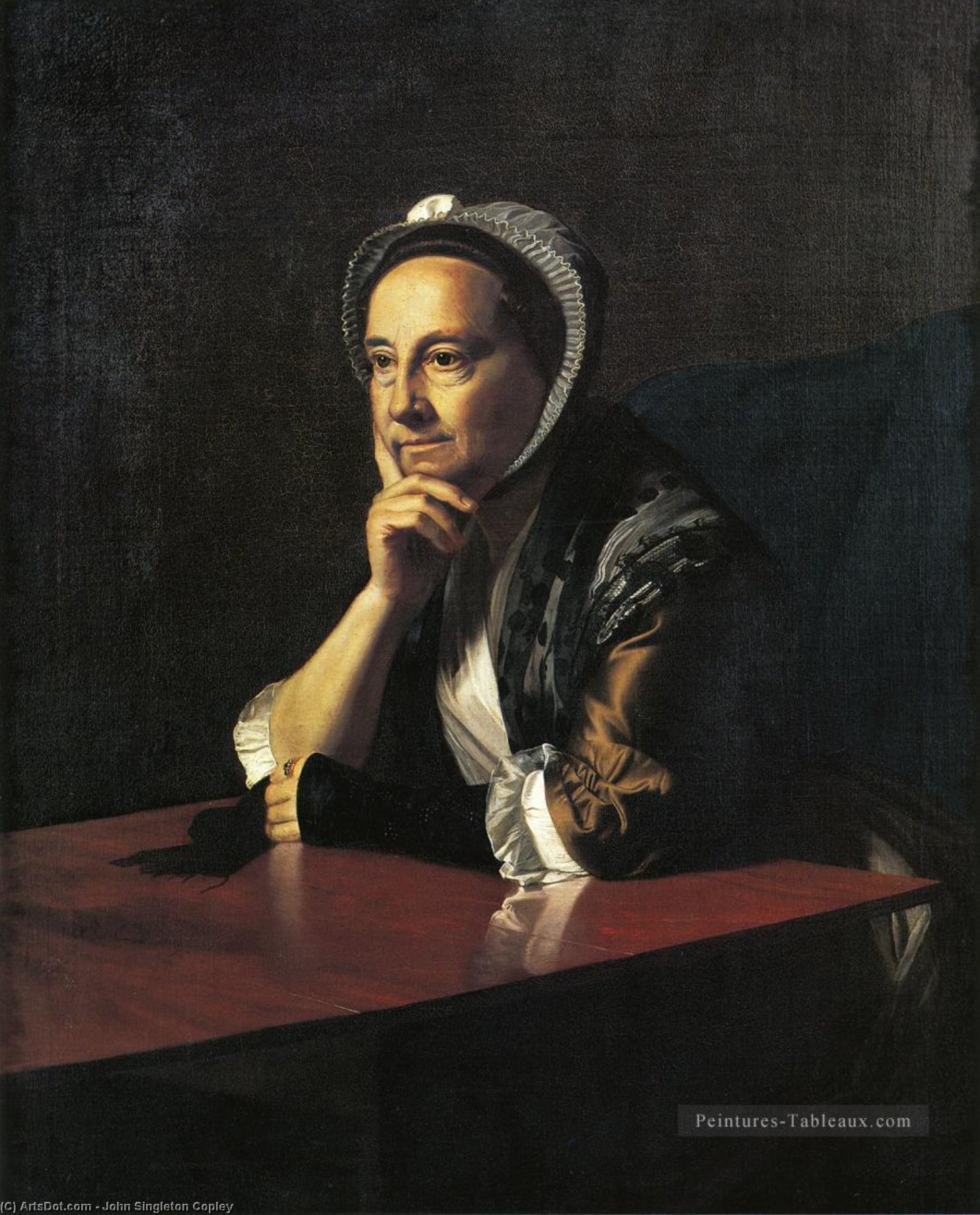
Admire John Singleton Copley's 'Mrs. Humphrey Devereux,' a captivating 1771 portrait showcasing elegance and intrigue. A masterpiece of colonial art, now available as a stunning reproduction.
Discover John Singleton Copley (1738-1815), a pivotal Anglo-American painter celebrated for his detailed colonial portraits and innovative historical scenes. Explore his masterpieces today!
Discover Te Papa Tongarewa, New Zealand’s national museum in Wellington! Explore Māori culture, art, history & natural wonders through interactive exhibits. A treasure trove of stories awaits!
A Portrait of Quiet Reflection: Exploring John Singleton Copley’s Mrs. Humphrey Devereux
The painting “Mrs. Humphrey Devereux” by John Singleton Copley, completed in 1771, stands as a remarkable achievement within the burgeoning Boston portraiture scene—a testament to Copley's mastery of capturing not merely physical likeness but also the subtle psychological complexities of his subjects. More than just an image, it’s a window into the social and intellectual currents shaping colonial America. The artwork resides in Te Papa Tongarewa’s international painting collection, offering visitors a chance to experience firsthand the brilliance of this pivotal moment in artistic history.
The Artist's Vision: Bostonian Style and Technique
Copley’s distinctive Boston style is immediately apparent—a meticulous attention to detail that elevates the depiction of fabrics and textures beyond mere representation. Unlike many European artists of his time, Copley prioritized capturing the materiality of everyday life, reflecting the values of a wealthy mercantile society. He employed a technique characterized by rapid brushwork combined with careful blending, resulting in an illusionistic surface that convincingly simulates light and shadow. The subdued browns and blacks of the background serve as a dramatic foil to the luminous white lace cap, cuffs, and scarf—a deliberate compositional choice designed to draw the viewer’s eye directly to Mrs. Devereux's face and gaze. This masterful unification of elements speaks volumes about Copley’s artistic control and his ability to convey profound emotion through visual cues.
Historical Context: Elegance Amidst Change
Painted during a period of significant political upheaval—the Stamp Act crisis and the looming shadow of revolution— “Mrs. Humphrey Devereux” embodies an aristocratic sensibility that nonetheless acknowledges the realities of its time. The sitter, Mary Charnock, represents the upper echelon of Boston society, adorned in opulent fabrics indicative of considerable wealth and status. Her posture exudes confidence and composure, suggesting a woman accustomed to navigating social circles with grace and intelligence. The inclusion of a table—likely representing her dining room—adds another layer of significance, hinting at domestic life and reflecting the aspirations of the burgeoning American middle class.
Symbolism: Gesture and Inner Thought
Perhaps the most compelling aspect of this portrait is Mrs. Devereux’s gesture—her hand resting on her chin as if contemplating a weighty decision or absorbed in deep thought. This seemingly simple pose transcends mere depiction; it embodies the humanist ideals prevalent during Copley's era, emphasizing intellectuality and introspection alongside outward appearances. The averted gaze invites contemplation and encourages viewers to consider Mrs. Devereux’s inner world—a subtle yet powerful technique that distinguishes Copley’s work from more formal representations of aristocratic women.
Emotional Impact: A Moment Frozen in Time
Ultimately, “Mrs. Humphrey Devereux” succeeds in capturing a fleeting moment of quiet dignity and contemplation. The painting's subdued palette and masterful lighting evoke a sense of serenity and sophistication—a visual embodiment of the elegance and refinement characteristic of Boston society at the time. It’s a portrait that lingers in the memory long after viewing, prompting reflection on themes of identity, intellect, and the complexities of human experience. Owning a high-quality reproduction allows admirers to appreciate this enduring masterpiece and bring its timeless beauty into their homes.