
A Treasure Box of Stories: The Soul of Te Papa
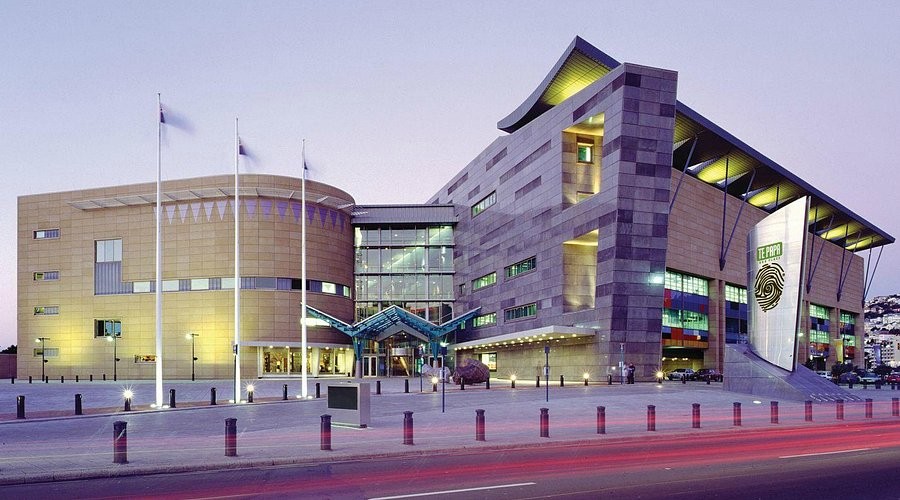
Nestled along the vibrant waterfront of Wellington, the Museum of New Zealand Te Papa Tongarewa stands as much more than a mere repository for artifacts; it is a living, breathing "treasure box" of cultural identity. To step inside its walls is to enter a space where the concept of biculturalism is not just an institutional policy, but a profound artistic and spiritual reality. The museum’s very name, Te Papa, evokes the deep-seated Māori connection to the land, weaving together ancestral narratives with the global currents of the modern world. For the art lover or the discerning collector, the museum offers a rare opportunity to witness the seamless integration of taonga —treasured possessions—with contemporary global perspectives, creating a dialogue that transcends time and geography.
The architecture of Te Papa itself serves as a breathtaking prelude to the treasures held within. Constructed upon reclaimed land, the building is a marvel of modern engineering, designed to withstand the seismic rhythms of the Wellington landscape. Its form is an intentional homage to the natural world, drawing inspiration from the majestic rimu forests of New Zealand. Through the clever use of timber cladding and expansive glass façades, the structure invites the outside in, allowing daylight to dance across its surfaces and creating an immersive atmosphere that mirrors the contours of the surrounding hills. This architectural resonance with whakapapa , or genealogy, ensures that even before one views a single painting or carving, the museum has already begun to tell the story of connection and resilience.
A Kaleidoscope of Artistry and Heritage
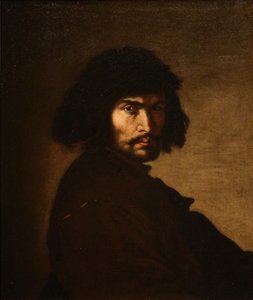
The heart of Te Papa’s collection lies in its unparalleled Māori Culture wing, where the artistry of whakairo (wood carving) and the delicate intricacy of flax weaving command absolute reverence. These works are not merely objects of beauty; they are vessels of history, carrying the breath of ancestors and the weight of tradition. This profound sense of heritage is beautifully balanced by the museum's global reach. In the Toi Art galleries, visitors encounter a curated selection of international masterpieces that foster a deep, cross-cultural dialogue. For the interior designer seeking inspiration, the juxtaposition of these ancient, textured forms against contemporary sculptural works offers a masterclass in balance and narrative depth.
Beyond the indigenous treasures, the museum houses an exquisite collection of botanical precision and conceptual depth. One cannot wander through its halls without being captivated by the delicate watercolor paintings of Sarah Ann Featon . Her 1887 works represent a pinnacle of Victorian scientific illustration, where every petal and leaf is rendered with an elegance that bridges the gap between scientific documentation and fine art. In stark, compelling contrast, the sculptural assemblages of Judith Ann Darragh challenge the viewer to find beauty in the found and the forgotten. Her work, deeply rooted in the Māori concept of kaitiakitanga (guardiana-ship), transforms everyday objects into profound meditations on memory and our relationship with the natural environment.
An Immersive Journey Through Time
What truly distinguishes Te Papa is its commitment to experiential engagement. It eschews the passive observation typical of traditional institutions in favor of a sensory journey. Whether it is through interactive exhibits that recreate historical maritime voyages or exhibitions that tackle the urgent environmental challenges of our era, the museum invites the visitor to become an active participant in the narrative. This dedication to storytelling extends even to the celebration of linguistic diversity, such as the observance of Fijian Language Week , which reinforces the museum's role as a sanctuary for all Pacific voices.
For those who appreciate the intersection of history, nature, and human creativity, Te Papa Tongarewa offers an unparalleled experience. It is a place where the geological past meets the contemporary present, and where the delicate stroke of a watercolor brush holds as much weight as the powerful strike of a carving tool. To visit Te Papa is to witness the enduring spirit of New Zealand—a spirit that is as resilient as its architecture and as multifaceted as its magnificent collection.