A Singular Vision: Introducing Grahame Sydney and His Otago Focus
 Grahame Sydney
Explore the magic realism landscapes of Sir Grahame Sydney (b. 1948), a leading New Zealand artist known for depicting Otago's beauty & human solitude. Paintings, etchings, & photography evoking Hopper & Vermeer. ONZM Knight Companion.
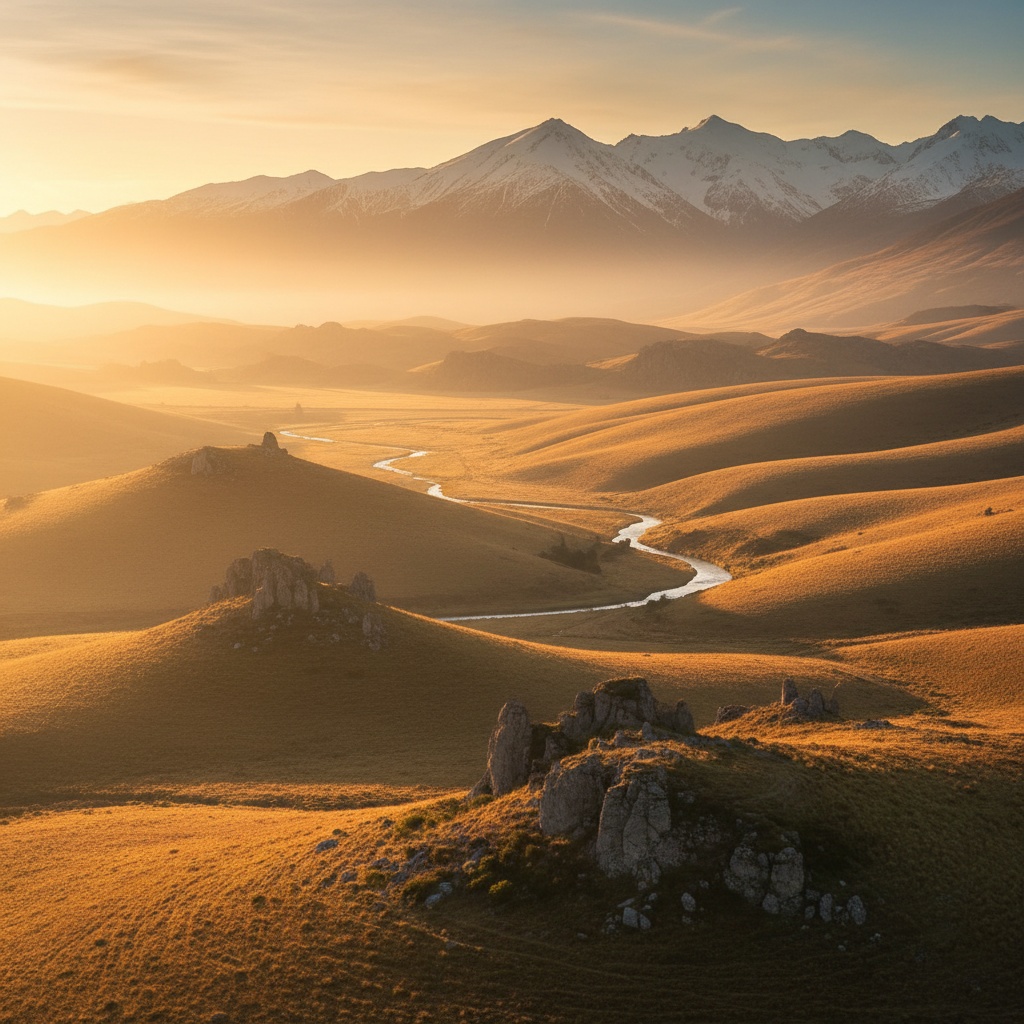
Sir Grahame Charles Sydney, born in Dunedin in 1948, occupies a unique position within the landscape of New Zealand art. He isn’t merely a painter of places; he is an interpreter of atmosphere, a chronicler of solitude, and a master of light. Unlike many artists who seek to capture grand vistas or dramatic events, Sydney's focus remains resolutely fixed on Otago – specifically, the vast, often-understated beauty of Central Otago. This dedication isn’t born of geographical limitation but rather a profound connection to the region’s starkness, its history, and the quiet dignity of those who inhabit it. From his early days, eschewing formal art school training in favor of self-directed study of the Old Masters, Sydney forged a path defined by meticulous technique and an unwavering commitment to representing the emotional weight of place.
His work isn’t about idyllic scenes; it's about the feeling *of* a scene. The sense of isolation, the play of light on weathered surfaces, the subtle narratives embedded within the landscape – these are the elements that define his artistic vision. He gained prominence not through aggressive self-promotion but through the sheer power and originality of his paintings, etchings, and photography, slowly building a reputation as one of New Zealand’s most important contemporary artists.
Magic Realism & Influences: Hopper, Vermeer, and the New Zealand Light
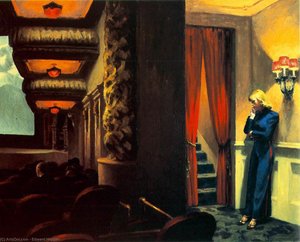
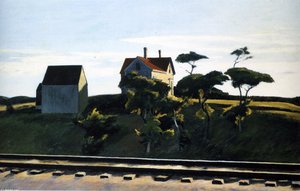
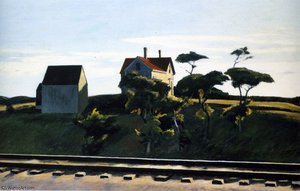
To categorize Sydney's work is to immediately encounter its complexity. While often labeled “magic realism,” this feels insufficient. There’s a deliberate stillness in his paintings reminiscent of Edward Hopper – a sense of narrative suspended, inviting contemplation rather than offering easy answers. However, where Hopper focuses on the alienation of modern urban life, Sydney finds resonance in the vastness and quietude of the rural landscape. More profoundly influential is the Dutch Golden Age master Johannes Vermeer. Sydney’s meticulous attention to detail, his masterful use of light and shadow, and his ability to imbue everyday scenes with a sense of profound dignity all echo Vermeer's techniques.
He has openly acknowledged Vermeer as a key inspiration, stating that he “didn’t want to be anything else but a seventeenth-century Dutch painter.” This pursuit led him away from the prevailing artistic trends of his time and towards a painstaking process of observation and replication. But Sydney doesn't simply copy; he filters these influences through the unique lens of the New Zealand light – a quality that is both harsher and more subtle than its European counterpart, shaping the colors and textures of his Otago landscapes in distinctive ways.
The Poetics of Solitude: Recurring Themes in Sydney’s Landscapes
A pervasive theme throughout Sydney's oeuvre is solitude. This isn’t a bleak or despairing loneliness but rather a contemplative stillness, often embodied by lone figures within expansive landscapes or the quiet presence of animals – particularly birds. The human element, when present, is frequently depicted as small and vulnerable against the immensity of nature. Buildings, too, are rarely grand statements; they are weathered structures, remnants of past lives, bearing witness to the passage of time.
This focus on solitude isn’t accidental. It reflects a deep engagement with the history of Central Otago – a region shaped by gold rushes and subsequent abandonment. The landscapes themselves carry the weight of human endeavor, marked by abandoned settlements and the scars of resource extraction. Sydney doesn't shy away from these elements; he incorporates them into his paintings, creating a sense of layered narrative that speaks to both the beauty and the fragility of the land.
Key Works Decoded: 'Hawk and Moon,' 'Albatross at Deborah Bay,' and 'Ida Valley Moon'
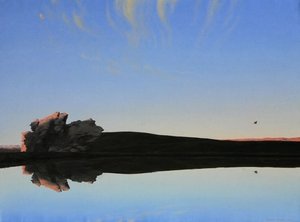 Hawk And Moon
Witness 'Hawk & Moon' by Sir Grahame Sydney – a breathtaking New Zealand landscape painting of a hawk soaring over the moon. Explore magic realism & stunning Otago beauty.
Consider ‘Hawk and Moon’ (1998), perhaps his most iconic work. The image – a hawk silhouetted against a luminous moon over the Otago landscape – is deceptively simple. Yet, it encapsulates so much of Sydney’s artistic sensibility: the stillness, the sense of mystery, the interplay of light and shadow. The hawk itself becomes a symbol of resilience and freedom, soaring above a land steeped in history.
‘Albatross at Deborah Bay’ (1987) demonstrates his photographic realism, capturing the grace and vulnerability of the albatross against the backdrop of the rugged coastline. The painting is almost hyper-realistic, yet it transcends mere representation, conveying a sense of awe and respect for the natural world. Similarly, ‘Ida Valley Moon’ (1996) exemplifies his ability to transform an ordinary night scene into something extraordinary. The composition draws the viewer into the landscape, creating a journey-like quality that invites contemplation.
Beyond Painting: Photography, Writing, and a Commitment to Place
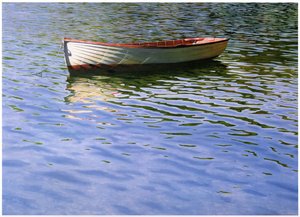 Albatross At Deborah Bay
Discover 'Albatross At Deborah Bay' by grahame sydney – a serene New Zealand landscape capturing nature’s beauty in photographic realism. Explore this evocative artwork.
Grahame Sydney’s artistic practice extends beyond painting. He is also a prolific photographer, using the medium to capture the nuances of light and texture that inform his paintings. His photography isn't simply preparatory work; it stands as a distinct body of art in its own right, offering a different perspective on the Otago landscape. Furthermore, Sydney is an accomplished writer, having published books on the history of the Otago goldfields – ‘Promised Land’ (2009) being a notable example.
This commitment to writing demonstrates his deep engagement with the cultural and historical context of the region he depicts. He isn't simply painting landscapes; he is documenting a way of life, preserving memories, and challenging conventional narratives. His outspoken advocacy for environmental protection – notably his opposition to wind farm development in Central Otago – further underscores his dedication to place and his willingness to use his art as a form of social commentary.
A Legacy of Atmosphere: Sydney's Enduring Impact on New Zealand Art
Sir Grahame Sydney’s influence on New Zealand art is undeniable. He has inspired generations of artists with his meticulous technique, his unwavering commitment to place, and his ability to imbue landscapes with emotional depth. His work challenges viewers to slow down, to observe carefully, and to appreciate the subtle beauty that often goes unnoticed.
While he maintains a relatively low public profile, preferring to work quietly in his studio, his paintings continue to resonate with audiences around the world. His legacy isn’t simply about creating beautiful images; it's about fostering a deeper connection to the land and reminding us of the importance of preserving our cultural heritage. For those seeking art that speaks to the soul, Grahame Sydney offers a vision both profound and enduring. Explore his captivating works at ArtsDot.com and discover the magic realism landscapes of Otago for yourself.