



The Roots of Representation: Realism's Emergence as Social Commentary
 The Enduring Legacy of 19th-Century Realism: A Reflection of Society & Artistic Innovation
Explore the captivating world of 19th-century Realism! Discover key artists, masterpieces & the social commentary behind this influential art movement. Expert insights at .
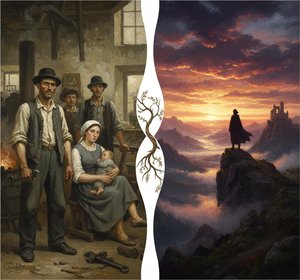
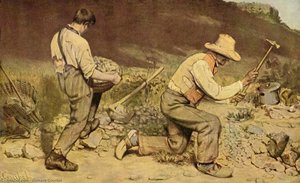
Before the explicit call for “Social Realism” resonated through art circles, a fundamental shift was already underway in the 19th century – a rejection of Romantic idealism and Neoclassical formality in favor of depicting life as it *was*, not as it was imagined. This burgeoning movement, simply termed Realism, wasn’t merely about technical precision; it was an act of defiance against established norms, a conscious decision to turn the gaze towards the everyday struggles and triumphs of ordinary people. Artists like Gustave Courbet, with his unflinching portrayals of rural labor in works such as “The Stone Breakers,” weren't simply documenting scenes; they were issuing a challenge to the art world’s preoccupation with mythology and aristocracy. Honoré Daumier, through his lithographs and paintings, captured the burgeoning urban landscape and the plight of the working class with biting satire and profound empathy. This initial impulse – to represent the tangible realities of existence – laid the groundwork for the more politically charged expressions that would follow.
Defining Social Realism: Beyond Mimicry – A Focus on Critique and Condition
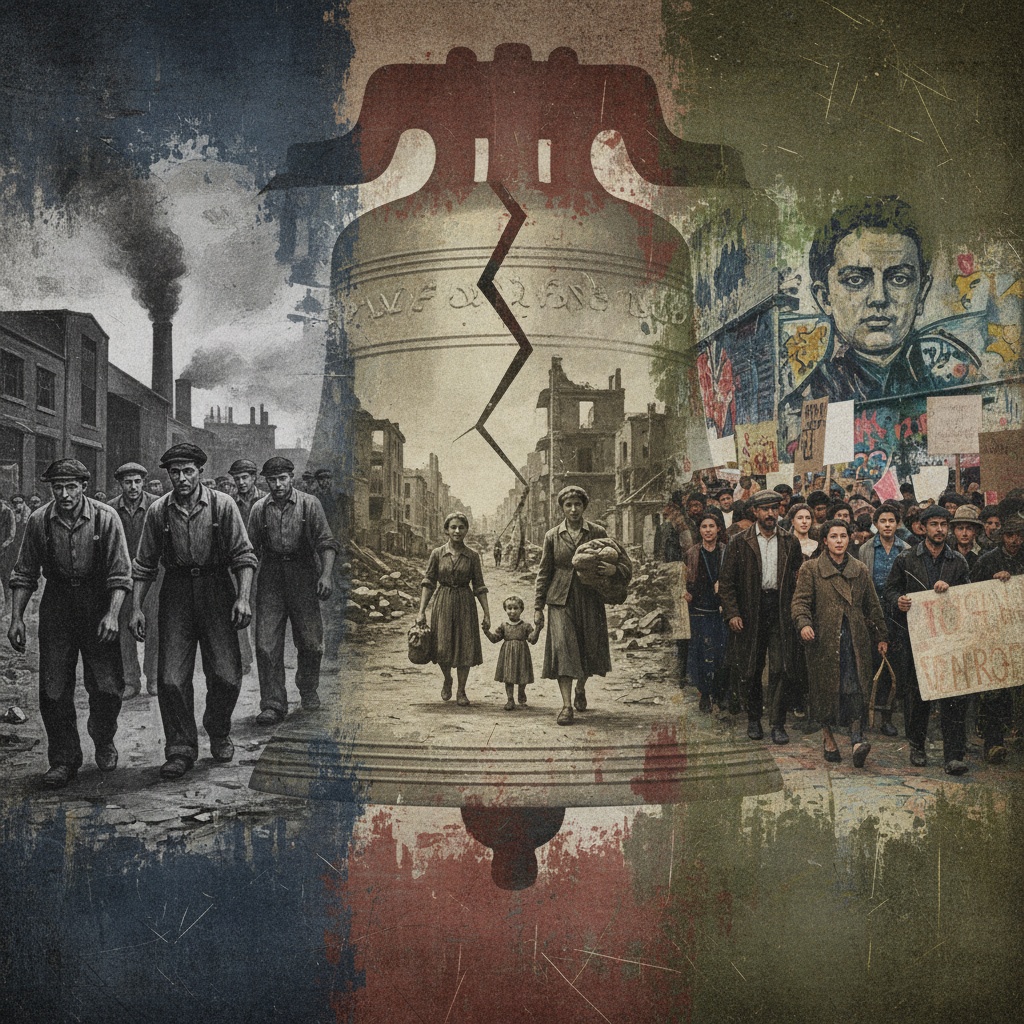
Social Realism, as it solidified in the early 20th century, built upon this foundation but moved beyond mere representation. It wasn’t enough to *show* the world; artists felt compelled to actively critique the power structures that shaped it. The core tenet became a commitment to exposing the socio-political conditions of the working class – their hardships, injustices, and resilience – as a means of inciting change. This often involved a deliberate focus on “typical characters under typical circumstances,” as Engels articulated, aiming for a universality in experience that transcended individual narratives. However, it’s crucial to understand that Social Realism wasn't monolithic. While descriptive realism was almost always present, the *critical* aspect varied significantly depending on national context and artistic intent. The movement sought not just to mirror reality but to interpret it, often with a clear ideological agenda.
American Social Realism: The Ashcan School and the Depression Era Response
Social realism is work produced by painters, printmakers, photographers, writers, filmmakers and some musicians that aims to draw attention to the real socio-political conditions of the working class as a means to critique the power structures behind...
In the United States, the interwar period witnessed a particularly potent flowering of Social Realism. Disillusioned with European abstraction and seeking a more direct connection to American life, artists coalesced around what became known as the Ashcan School. Figures like Robert Henri, George Luks, and John Sloan turned their attention to the vibrant, often gritty realities of New York City – its bustling streets, crowded tenements, and working-class neighborhoods. Their work, though not always overtly political in its early stages, captured a raw energy and authenticity that resonated with a growing sense of social awareness. The Great Depression further intensified this focus, prompting artists to directly address the economic hardship and human suffering around them. Thomas Hart Benton’s murals, for example, powerfully depicted scenes of urban life and labor, becoming iconic representations of the era. This period saw a surge in art that aimed to be accessible, relatable, and ultimately, a catalyst for social reform.
Socialist Realism vs. Social Realism: Navigating Ideological Divergences
It’s essential to distinguish between “Social Realism” and “Socialist Realism.” While both movements shared a commitment to representing the lives of working people, their underlying ideologies differed significantly. Socialist Realism, institutionalized by Joseph Stalin in 1934, became the official art form of the Soviet Union and its allied Communist parties. It was characterized by an unwavering optimism, glorifying the proletariat, celebrating communist ideals, and portraying a utopian vision of the future. Social Realism, on the other hand, encompassed a broader range of perspectives and artistic approaches. While many Social Realist artists were politically engaged – some even identifying as socialists or communists – they weren’t necessarily bound by the strict dictates of Stalinist doctrine. The American Social Realists, for instance, often maintained a critical distance from centralized political control, prioritizing individual expression and nuanced portrayals of social issues over ideological conformity.
Key Artists & Masterpieces: Voices of Protest and Change
The legacy of Social Realism is embodied in the works of countless artists who dared to confront difficult truths. William Gropper’s illustrations for publications like *New Masses* served as powerful visual rallying cries, depicting workers breaking free from chains of oppression. Jacob Lawrence's “Migration Series,” a poignant chronicle of African American life and displacement, stands as a testament to the enduring power of narrative art. Romaine Brooks, though often categorized differently, infused her portraits with a psychological depth that revealed the social anxieties of her time. These artists weren’t simply creating aesthetically pleasing images; they were using their craft as a weapon – a means of exposing injustice, challenging authority, and amplifying the voices of the marginalized. Their masterpieces continue to resonate today, reminding us of the ongoing struggle for equality and social justice.
The Enduring Influence: Social Realism's Relevance in Contemporary Art
Although Social Realism as a dominant movement waned after the 1960s, its influence continues to be felt in contemporary art. A renewed interest in figuration, coupled with a growing awareness of social and political issues, has led to a resurgence of artists who embrace realism as a means of critique and commentary. The emphasis on narrative, empathy, and direct engagement with the world – hallmarks of Social Realism – remain powerfully relevant in an era marked by inequality, conflict, and uncertainty. ArtsDot.com offers a unique opportunity to explore this rich artistic heritage, providing access to high-quality reproductions of masterpieces that continue to inspire and provoke dialogue. From the iconic works of Courbet and Daumier to the powerful narratives of Lawrence and Gropper, these paintings serve as enduring reminders of art’s capacity to challenge, transform, and ultimately, shape our understanding of the world around us. Discover a deeper connection with history through the evocative power of Social Realism – explore our collection today.