Introduction: The Rise of Realism – A Rejection of Idealism
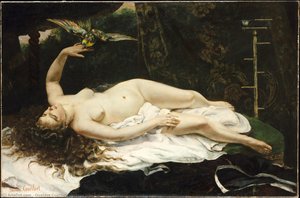
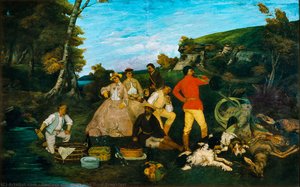
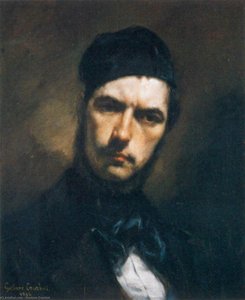
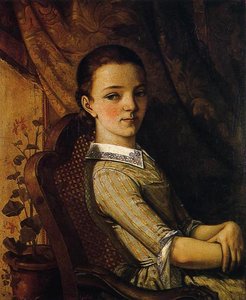
Realism was an artistic movement that emerged in France in the 1840s. Realists rejected Romanticism, which had dominated French literature and art since the early 19th century. The artist Gustave Courbet, the original proponent of Realism, sought to ...
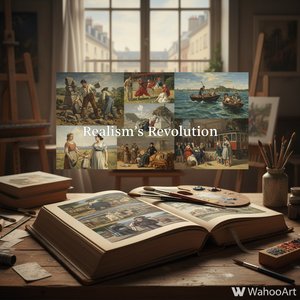
The mid-19th century witnessed a seismic shift in the artistic landscape, a deliberate turning away from the romanticized visions that had dominated French literature and painting for decades. For generations, art had largely concerned itself with mythology, historical grandeur, or idealized landscapes – subjects often divorced from the tangible realities of everyday life. But as industrialization reshaped society, and political upheaval challenged established norms, a new sensibility began to emerge: Realism. This wasn’t merely a stylistic change; it was a philosophical statement, a demand for art to engage with the present, to reflect the world not as it *should* be, but as it *was*. Artists increasingly felt compelled to portray contemporary people and situations with unflinching truth and accuracy, even – or perhaps especially – when those realities were unpleasant or sordid. This rejection of academic convention wasn’t simply about subject matter; it was a fundamental re-evaluation of the artist's role in society.
Courbet and the 'Manifesto of Realism': Defining a New Artistic Vision
History paintings is a genre Western art that focuses on the depiction of historical, mythological, biblical, or literary subjects, often with a moral or didactic purpose. Considered the most prestigious genre in the academic art hierarchy during the...
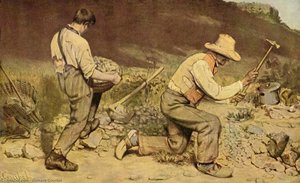
At the forefront of this revolution stood Gustave Courbet, a figure whose very name became synonymous with the movement. His 1849 painting, A Burial at Ornans, shocked the Parisian art world. Unlike the carefully constructed historical scenes favored by the Academy, Courbet depicted a local funeral – a somber gathering of ordinary people in his hometown. The sheer scale of the canvas, traditionally reserved for more “noble” subjects, was itself a provocation. But it wasn’t just the subject; it was the *way* it was painted: unidealized figures, a muted palette, and an absence of dramatic flair. Courbet didn't seek to elevate or embellish; he sought to represent with brutal honesty. This approach culminated in his 1855 “Manifesto of Realism,” where he declared his intention to paint only what he could see, rejecting imagination and tradition in favor of direct observation. He famously stated that art should be “essentially based on the concrete reality” – a rallying cry for a generation of artists eager to break free from the constraints of the past.
Subject Matter & Social Commentary: Depicting Everyday Life and its Struggles
Social realism is work produced by painters, printmakers, photographers, writers, filmmakers and some musicians that aims to draw attention to the real socio-political conditions of the working class as a means to critique the power structures behind...
The implications of Courbet’s manifesto were far-reaching. Realist painters turned their attention to the lives of working people, the hardships of rural existence, and the social inequalities that plagued 19th-century society. Artists like Ilya Repin, in works such as Unexpected Visitors, captured poignant moments of family reunion amidst revolutionary turmoil, revealing the emotional weight of political upheaval on ordinary lives. Vladimir Makovsky’s paintings often offered ironic glimpses into the complexities of Russian society, while Nikolai Yaroshenko focused on scenes depicting social struggles and striking portraits that conveyed a sense of quiet dignity in the face of adversity. The subject matter wasn't chosen for its aesthetic appeal; it was selected for its ability to provoke thought and challenge viewers to confront uncomfortable truths. Joaquin Sorolla y Bastida’s White Slave Trade (Study), though a smaller work, powerfully exposed the dark reality of human trafficking, demonstrating Realism's capacity for social critique.
Techniques of Truth: Brushwork, Palette, and Composition in Realist Painting
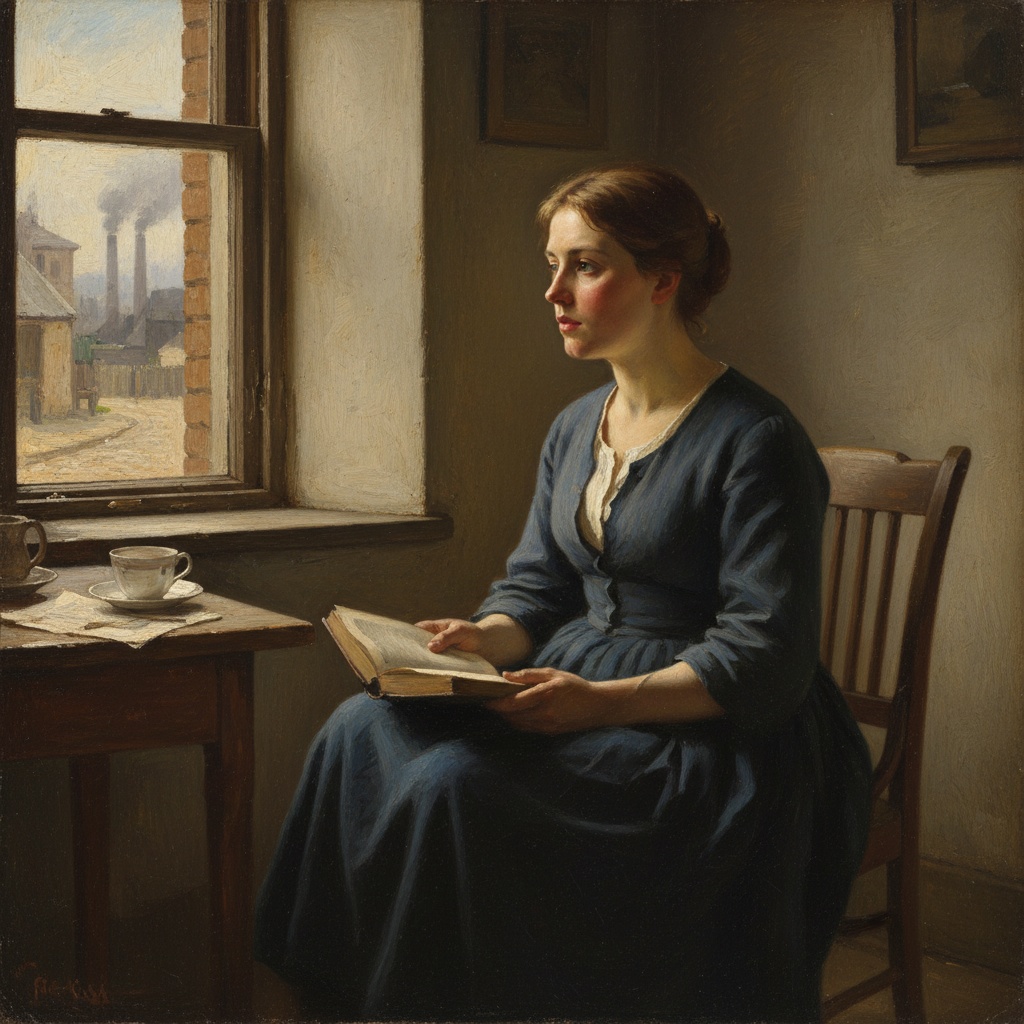
The pursuit of “truth” wasn’t limited to subject matter; it extended to technique. Realist painters generally eschewed the smooth, polished surfaces favored by academic artists. Instead, they embraced visible brushstrokes, creating a sense of immediacy and authenticity. Palettes tended towards earthy tones – browns, grays, ochres – reflecting the realities of the scenes they depicted. Compositionally, Realist paintings often lacked the dramatic diagonals and carefully balanced arrangements of earlier styles. They favored more straightforward, unadorned compositions that emphasized the subject matter itself. Constantin Meunier’s depictions of industrial workers, for example, are characterized by a powerful sense of physicality and a deliberate lack of idealization. The focus was on capturing the texture of labor, the grime of the factory floor, and the weariness etched onto the faces of the working class. This wasn't about creating beautiful images; it was about conveying a visceral experience of reality.
Beyond France: The Spread and Evolution of Realism Across Europe and America
While originating in France, the principles of Realism quickly spread across Europe and to the United States. In Russia, the Peredvizhniki movement embraced Realism as a means of depicting social issues and celebrating the lives of ordinary people. Across the Atlantic, American artists responded to the challenges of industrialization and urbanization with their own distinct brand of Realism. This often took the form of Social Realism, which explicitly aimed to draw attention to the plight of the working class and critique the power structures behind these conditions. Artists like Dorothea Lange used photography to document the hardships of the Great Depression, creating iconic images that became symbols of resilience and struggle. The movement’s adaptability allowed it to flourish in diverse contexts, reflecting the unique social and political landscapes of different nations.
The Enduring Legacy: Realism’s Influence on Modern Art Movements
Realism wasn't simply a historical moment; it laid the groundwork for many subsequent art movements. Its rejection of academic convention paved the way for Impressionism, which further challenged traditional notions of representation. Its focus on social commentary influenced Expressionism and other forms of politically engaged art. Even abstract art owes a debt to Realism’s insistence on materiality and direct experience. The emphasis on capturing the fleeting moment, the importance of brushwork, and the desire to engage with contemporary life – all these elements can be traced back to the revolutionary spirit of 19th-century Realist painters. Today, ArtsDot offers a stunning collection of reproductions from this pivotal period, allowing you to experience firsthand the power and beauty of works that continue to resonate with audiences worldwide. Explore masterpieces by Courbet, Repin, Manet, and others, and discover the enduring legacy of an art movement that dared to look reality in the eye.