
The Rise of Realism: Challenging Artistic Conventions
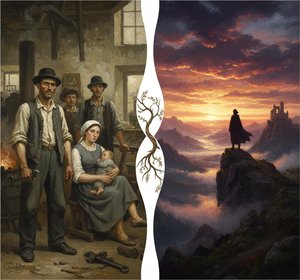
The mid-19th century witnessed a seismic shift in the artistic landscape, a deliberate turning away from the romanticized visions and dramatic narratives that had dominated for decades. This was the dawn of Realism, an art movement born not from lofty ideals or fantastical imaginings, but from a desire to depict the world as it truly *was*. It wasn’t merely about technical skill – though mastery of technique was certainly valued – but rather a philosophical commitment to honesty and objectivity. Artists began to cast their gaze upon the everyday lives of ordinary people, eschewing historical grandeur and mythological subjects in favor of scenes from contemporary life. This rejection of academic convention was radical; for centuries, art had largely served as a vehicle for celebrating power, beauty, or religious devotion. Realism dared to look elsewhere, finding significance in the mundane and dignity in the commonplace.
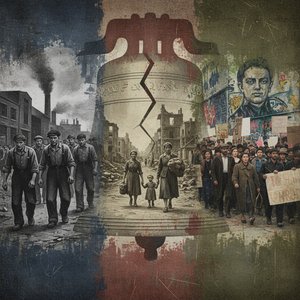
This shift wasn’t simply aesthetic; it was deeply intertwined with the social and political upheavals of the time. The Industrial Revolution had irrevocably altered European society, creating vast disparities between wealth and poverty, and fostering a growing sense of unrest among the working classes. Artists like Gustave Courbet, often considered the father of Realism, saw their role not as escapists but as witnesses – chroniclers of a changing world grappling with new realities. His monumental work, “The Stone Breakers,” for example, was a deliberate affront to traditional artistic hierarchies, elevating the laboring class to the level of high art and forcing viewers to confront the harshness of their existence.
Society on Canvas: Depicting Everyday Life and Social Commentary
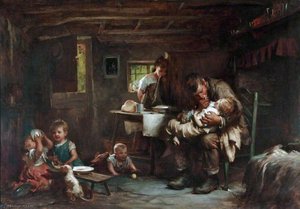
Realist painters weren’t simply documenting reality; they were interpreting it. They sought to reveal the underlying social structures and power dynamics that shaped people's lives. This often involved a subtle, yet potent, form of social commentary. Consider Camille Pissarro’s “The War of Haves and Have Nots,” a powerful depiction of class division rendered with an Impressionistic touch. The painting doesn’t preach or moralize; it simply *shows* the stark contrast between those who possess wealth and privilege and those who struggle to survive. Similarly, Samuel Luke Fildes' "Venetian Life" offers a more intimate glimpse into everyday existence, capturing a tender moment within a family setting, yet subtly hinting at the social fabric of 19th-century Venice.
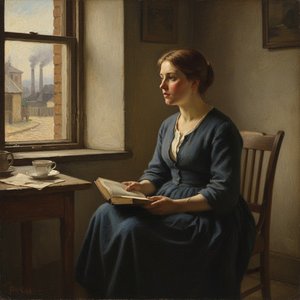
The scope of Realist subject matter was remarkably broad. From bustling city streets to quiet rural landscapes, artists explored every facet of modern life. Christian Krohg’s “Fortaus-servering på Engebrets Kafé” transports us to a Parisian café, capturing the vibrant energy and social interactions of urban life with striking naturalism. Vladimir Makovsky, a leading figure in the Russian Peredvizhniki movement, focused on depicting the complexities of Russian society, often with an ironic edge, exposing hypocrisy and social injustice through his insightful observations. These artists weren’t afraid to tackle difficult subjects – poverty, labor exploitation, political corruption – but they did so with a nuanced understanding of human psychology and a commitment to portraying their subjects with dignity.
Key Artists and Masterpieces of the 19th-Century Realist Movement
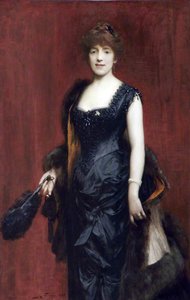
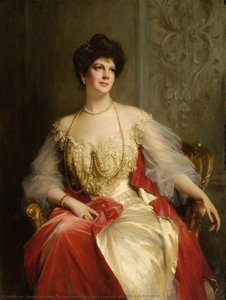
Beyond Courbet, Pissarro, Fildes, Krohg, and Makovsky, numerous other artists contributed significantly to the development of Realism. Jean-François Millet’s depictions of peasant life, such as “The Gleaners,” were groundbreaking in their sympathetic portrayal of rural laborers. Honoré Daumier, a master printmaker and painter, used satire and caricature to expose the corruption and hypocrisy of French society. Philippe Jolyet offered captivating paintings of French life, from scenes at Versailles to poignant depictions of hospital interiors, showcasing his keen eye for detail and social observation.
These artists weren’t working in isolation; they were part of a broader intellectual and artistic ferment. The rise of photography also played a crucial role, providing artists with new ways of seeing and representing the world. Photography's ability to capture reality with unprecedented accuracy challenged traditional notions of artistic representation and encouraged painters to explore alternative approaches. The masterpieces of Realism aren’t simply beautiful objects; they are windows into a specific time and place, offering invaluable insights into the social, political, and cultural forces that shaped the 19th century.
Beyond Representation: The Philosophical and Political Undercurrents of Realism
The philosophical underpinnings of Realism were rooted in Positivism, a school of thought that emphasized empirical observation and scientific inquiry. Realist artists believed that art should be grounded in the observable world, rejecting speculation and idealism in favor of concrete reality. This commitment to objectivity wasn’t simply about depicting things as they appeared; it was also about challenging established norms and questioning traditional authority.
The movement's engagement with social theory was profound. Artists were acutely aware of the growing disparities between capital and labor, and many used their work to advocate for social justice. While not all Realist artists were overtly political, their commitment to depicting the lives of ordinary people implicitly challenged the existing power structures. This focus on social issues paved the way for later movements like Social Realism, which explicitly aimed to use art as a tool for political activism.
The Lasting Influence of Realism on Modern Art
The impact of Realism extends far beyond the 19th century. It laid the groundwork for many of the major artistic developments of the 20th and 21st centuries, including Impressionism, Post-Impressionism, and even Abstract Expressionism. By challenging traditional conventions and emphasizing the importance of individual perception, Realist artists opened up new possibilities for artistic expression.
The legacy of Realism is a testament to the power of art to reflect and shape our understanding of the world. It reminds us that art isn’t simply about beauty or aesthetics; it's about truth, honesty, and social responsibility. Today, as we grapple with new challenges and uncertainties, the lessons of Realism remain as relevant as ever. The enduring appeal of these masterpieces lies not only in their artistic merit but also in their ability to connect us to a shared human experience – a recognition of our common struggles, aspirations, and hopes for a better future.