The Rise of Mannerism: A Rejection of Renaissance Harmony
Mannerism is a style in European art that emerged in the later years of the Italian High Renaissance around 1520, spreading by about 1530 and lasting until about the end of the 16th century in Italy, when the Baroque style largely replaced it. Northe...
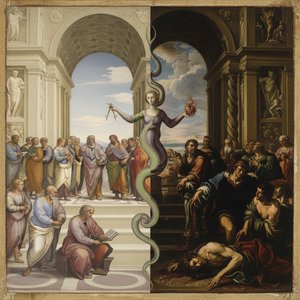
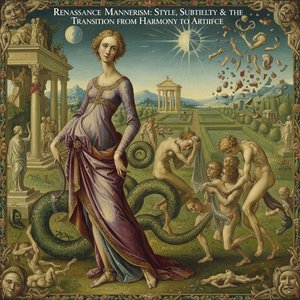
The High Renaissance, with its emphasis on balance, proportion, and idealized beauty, cast a long shadow across the artistic landscape of Europe. Yet, by the 1520s, a subtle but profound shift began to occur—a questioning of established norms, a yearning for complexity, and an embrace of artifice over naturalism. This was the birth of Mannerism, a style that didn’t so much abandon the achievements of its predecessors as it transformed them, injecting a new sensibility into the very foundations of artistic expression. It wasn't simply about rejecting classical ideals; rather, it was a sophisticated reinterpretation, a deliberate cultivation of elegance and virtuosity. Artists sought to demonstrate their skill not through faithful representation but through inventive compositions, elongated forms, and dramatic use of color and light. The world felt increasingly unstable – religious upheaval, political intrigue, and the sack of Rome in 1527 all contributed to a sense of anxiety that found its echo in art.
Raphael’s Pupil, Rome’s Prodigy: Giulio Romano's Early Formation
 Giulio Romano
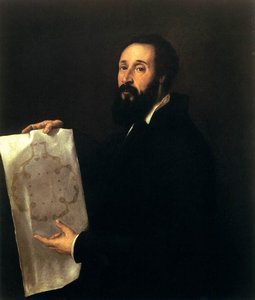
Discover Giulio Romano (1499-1546), Raphael’s talented pupil & a master of Mannerism! Explore his stunning frescoes at Palazzo Te, innovative architectural designs, and lasting influence on Renaissance art.
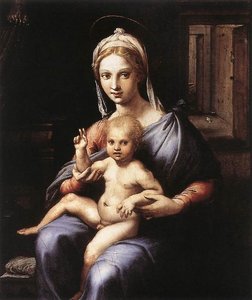
Giulio Pippi, known universally as Giulio Romano, stands as one of the most significant figures in this transition. Born in Rome around 1499, his artistic journey began under the tutelage of Raphael—a master whose influence would be deeply ingrained in his early work. He wasn’t merely an assistant; he quickly became an indispensable collaborator, contributing significantly to the monumental fresco cycles decorating the Vatican Stanze. The speed and skill with which he absorbed Raphael's techniques are remarkable, yet even within these collaborative projects, hints of a distinct personality began to emerge—a preference for dynamic compositions and a growing fascination with expressive figures. Following Raphael’s untimely death in 1520, Giulio assumed a leading role in completing the Vatican commissions, demonstrating both technical prowess and an emerging artistic vision. His early Roman works, while rooted in the High Renaissance tradition, already display a heightened sense of drama and a willingness to experiment with form—qualities that would define his later style.
Palazzo Te: An Architectural Manifesto of Mannerist Ideals
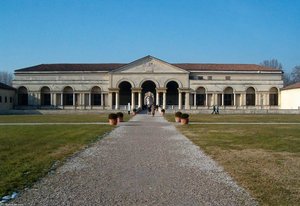
Palazzo del Te (Italian pronunciation: [paˈlattso del ˈte]), or simply Palazzo Te, is a palace in the suburbs of Mantua, Italy. It is an example of the mannerist style of architecture, and the acknowledged masterpiece of Giulio Romano. == Name == T...
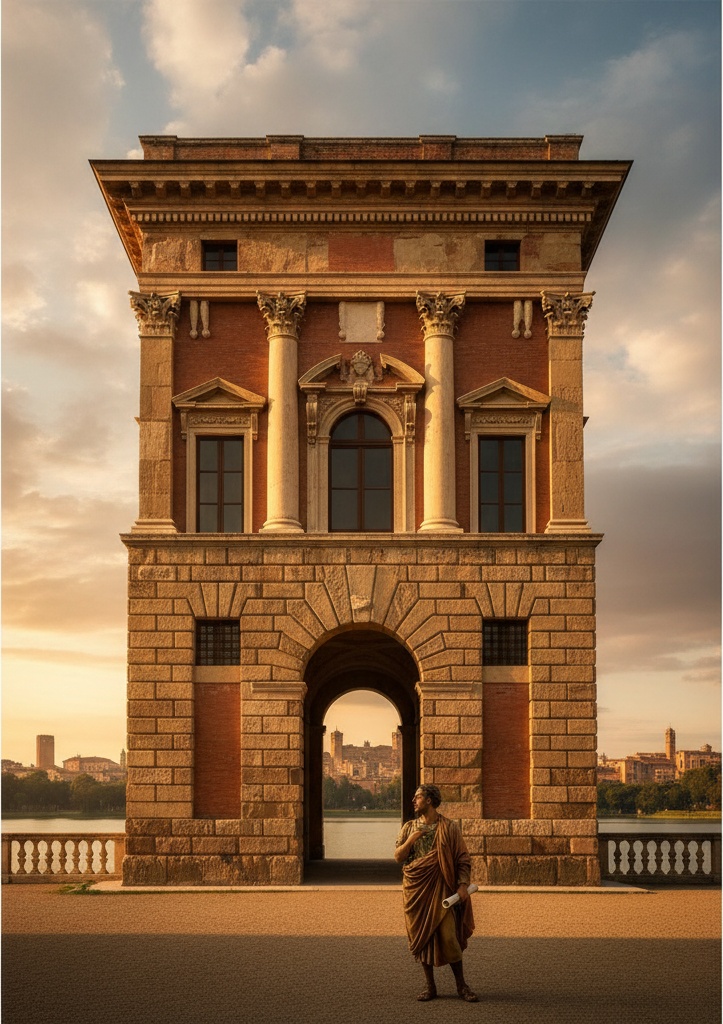
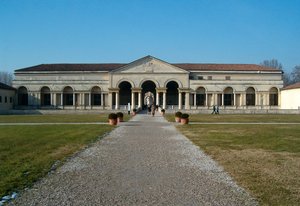
In 1524, Giulio Romano received an invitation from Federico II Gonzaga, the Marquis of Mantua, that would irrevocably alter the course of his career. Gonzaga commissioned him to build a suburban villa—initially conceived as a modest retreat for pleasure and entertainment. What emerged, however, was anything but modest: Palazzo Te, completed between 1525 and 1535, stands as an architectural manifesto of Mannerist ideals. The building itself is deceptively simple in its overall plan – a square courtyard surrounded by symmetrical wings. But it’s the *details* that reveal the revolutionary nature of Giulio's design. He deliberately played with classical proportions, creating spaces that are both harmonious and unsettling. Facades feature bold projections and recesses, while interiors are characterized by complex geometries and unexpected angles. The entire structure feels less like a traditional villa and more like an elaborate stage set—a world designed to delight, surprise, and challenge the viewer.
Illusion and Innovation: The Frescoes of Palazzo Te – A Detailed Exploration
 Palazzo del Tè
Explore Palazzo del Te, a stunning Mannerist masterpiece in Mantua! Marvel at Giulio Romano's frescoes, unique gardens & historical significance – a Renaissance treasure.
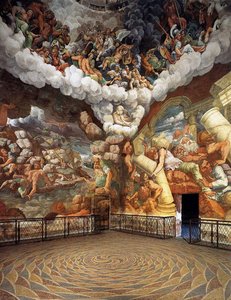
The true brilliance of Palazzo Te lies in its frescoes. Giulio Romano didn’t simply decorate the walls; he transformed them into immersive environments—illusionistic spaces that blur the boundaries between art and reality. Each room is conceived as a unified work of art, with architecture, sculpture, and painting seamlessly integrated to create a total sensory experience. The Sala dei Giganti, perhaps the most famous space in the palace, depicts scenes from classical mythology—the battles between the giants and the gods. But these aren’t serene depictions of heroic triumph; they are chaotic, dynamic, and often unsettling. Figures tumble through the air, architectural elements appear to collapse, and the very walls seem to buckle under the weight of the drama. The Sala di Amore e Psiche is equally captivating, with its intricate allegorical scenes exploring the myth of Cupid and Psyche. Giulio’s mastery of perspective and his ability to create a sense of depth are breathtaking—the frescoes appear to extend beyond the physical walls of the room, drawing the viewer into another world. He employed *trompe-l'oeil* techniques with astonishing skill, creating illusions that challenge our perception of space and reality.
Giulio Romano’s Enduring Influence on Art & Architecture
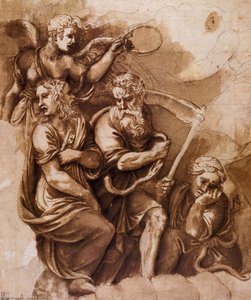
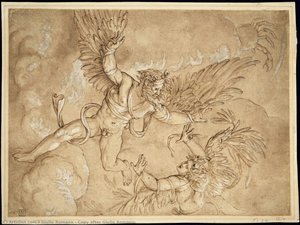
The impact of Palazzo Te was immediate and far-reaching. Artists from across Europe flocked to Mantua to study Giulio Romano’s work, and his style quickly became the dominant force in Italian art for decades to come. His emphasis on elegance, virtuosity, and dramatic composition influenced generations of painters and architects—from Parmigianino and Bronzino to the French Mannerists who brought the style to the court of Francis I. Beyond its aesthetic impact, Giulio Romano’s work also challenged traditional notions of artistic practice. He wasn't simply a painter or an architect; he was a *total designer*, overseeing every aspect of his projects—from the architectural structure to the decorative details. This holistic approach would become increasingly common in later centuries, paving the way for the integrated design movements of the Baroque and Rococo periods. His drawings, prized by collectors even during his lifetime, served as models for countless artists, disseminating his style throughout Europe.
Collecting Giulio Romano Today: Investment & Appreciation
Today, works by Giulio Romano are highly sought after by collectors worldwide. While large-scale frescoes like those at Palazzo Te remain *in situ*, drawings and smaller paintings occasionally appear on the market—representing a rare opportunity to acquire a piece of art history. Investing in Giulio Romano is not merely about acquiring a beautiful object; it’s about owning a tangible link to one of the most important artistic movements in European history. His works represent a pivotal moment in the transition from the High Renaissance to the Baroque, and their value continues to appreciate as our understanding of his genius deepens. ArtsDot.com offers museum-quality reproductions of Giulio Romano’s masterpieces, allowing collectors to experience the beauty and complexity of his art firsthand. Whether you are a seasoned connoisseur or simply beginning your journey into the world of Renaissance art, exploring the work of Giulio Romano is an enriching and rewarding experience. For those seeking custom reproductions or detailed appraisals, our team of experts provides personalized guidance and support.