The Twilight of Renaissance Classicism: Setting the Stage for Mannerism
Renaissance art (1350 – 1620) is the painting, sculpture, and decorative arts of the period of European history known as the Renaissance, which emerged as a distinct style in Italy in about AD 1400, in parallel with developments which occurred in phi...
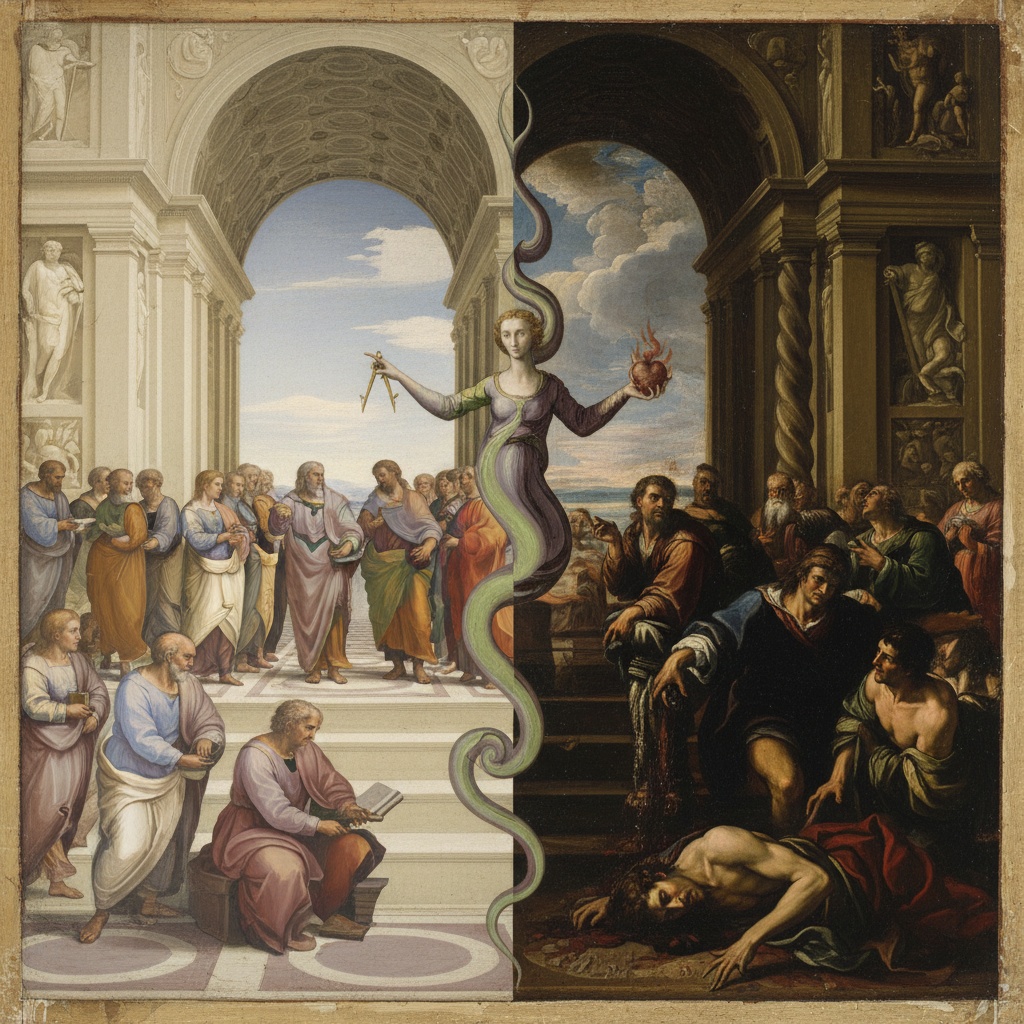
For centuries, the High Renaissance had defined artistic aspiration – a pursuit of balance, harmony, and idealized beauty rooted in the rediscovery of classical antiquity. The names Leonardo da Vinci, Raphael, and Michelangelo resonated with an almost divine authority, their works embodying proportion, clarity, and a profound understanding of human anatomy. Yet, by the 1520s, a subtle but significant shift began to occur within the Italian art world. This wasn’t a sudden revolution, but rather a gradual questioning of established norms, a growing unease with the perceived perfection of its predecessors. The sack of Rome in 1527, a brutal event that shattered the city's cultural and political landscape, served as a catalyst for this change, fostering a sense of instability and disillusionment among artists. The very foundations upon which Renaissance art had been built – faith in human reason, order, and stability – were shaken. This fertile ground gave rise to Mannerism, a style that would challenge the conventions of its time and pave the way for the dramatic exuberance of the Baroque.
Distorting Perfection: Key Characteristics of the Mannerist Style
Mannerism is a style in European art that emerged in the later years of the Italian High Renaissance around 1520, spreading by about 1530 and lasting until about the end of the 16th century in Italy, when the Baroque style largely replaced it. Northe...
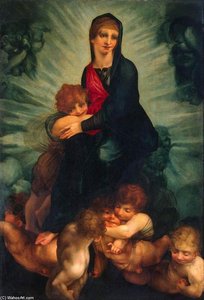
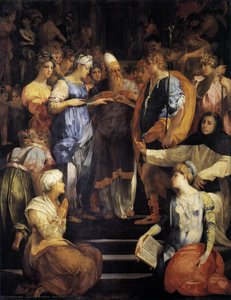
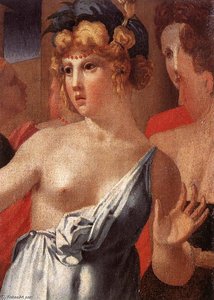
Mannerism, derived from the Italian word *maniera* meaning “style” or “manner,” wasn’t about rejecting beauty altogether; it was about redefining it. Where High Renaissance artists sought to replicate nature with meticulous accuracy, Mannerists embraced artifice and exaggeration. Proportions became elongated – figures stretched and contorted into graceful, often unsettling poses. Compositions grew increasingly complex, asymmetrical, and crowded, deliberately avoiding the balanced symmetry favored by earlier masters. Color palettes shifted away from naturalistic hues towards more sophisticated, sometimes jarring combinations of artificial tones. A sense of ambiguity pervaded these works; spatial relationships were often unclear, figures seemed to float in undefined spaces, and emotional expression became subtly nuanced, bordering on melancholic or even unsettling. This wasn’t a lack of skill – quite the contrary. Mannerist artists possessed extraordinary technical abilities, but they deliberately chose to showcase their virtuosity through complexity rather than naturalistic representation. The emphasis moved from depicting *what* was seen to *how* it was depicted.
Pontormo, Rosso Fiorentino & Bronzino: Pioneering Figures of Italian Mannerism
 Wikipedia: Pontormo
Jacopo Carucci or Carrucci (IPA: [ˈjaːkopo ka(r)ˈruttʃi]; May 24, 1494 – January 2, 1557), usually known as Jacopo (da) Pontormo or simply Pontormo (IPA: [ponˈtormo]), was an Italian Mannerist painter and portraitist from the Florentine School. His ...
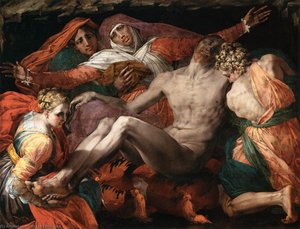
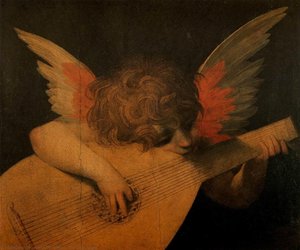
Jacopo Pontormo stands as a central figure in the development of this new aesthetic. His “Deposition from the Cross,” painted for the Cappella Capponi in Florence, exemplifies many key characteristics of Mannerism. The composition is deliberately unbalanced, with figures clustered together in a swirling mass of grief and anguish. Elongated limbs, ambiguous space, and an unsettling color palette contribute to a sense of emotional tension. Rosso Fiorentino, another Florentine master, similarly rejected Renaissance harmony in favor of dramatic compositions and intense psychological expression. His works often feature distorted anatomy and jarring juxtapositions of color. Agnolo Bronzino, renowned for his portraits of the Medici family, brought a refined elegance to Mannerism, characterized by polished surfaces, sophisticated poses, and an air of aristocratic aloofness. These artists weren’t simply rebelling against tradition; they were exploring new ways to convey emotion, intellect, and artistic skill. Giorgio Vasari, in his influential “Lives of the Artists,” documented their innovations, though often with a critical eye, struggling to reconcile their stylistic departures with the classical ideals he championed.
Beyond Italy: The Spread and Regional Variations of Mannerism
While originating in Florence and Rome, Mannerism quickly spread throughout Europe, adapting to local tastes and artistic traditions. In France, artists like Fontainebleau School embraced a highly decorative style characterized by elongated figures, elegant compositions, and mythological subjects. In Spain, El Greco, though arriving later in the movement’s trajectory, developed a uniquely expressive form of Mannerism marked by dramatic lighting, distorted anatomy, and intense religious fervor. Northern Mannerism often retained a greater emphasis on detail and realism than its Italian counterpart, but still incorporated elements of exaggeration and artifice. Each region infused Mannerism with its own distinct character, demonstrating the style’s remarkable adaptability and enduring appeal. The influence extended beyond painting to sculpture, architecture, and even decorative arts, shaping the aesthetic sensibilities of an entire generation.
The Intellectual Context: Artifice, Virtuosity, and the 'Bella Maniera'
Mannerism wasn’t merely a stylistic shift; it was deeply rooted in the intellectual climate of the time. The concept of *bella maniera* – “beautiful style” – emphasized grace, elegance, and refinement over naturalistic representation. Artists sought to demonstrate their virtuosity through complex compositions, technical skill, and creative invention. This emphasis on artifice reflected a growing fascination with illusionism and the power of the artist to manipulate perception. Mannerist paintings often feature hidden symbolism, allegorical references, and esoteric meanings intended to engage the intellect of sophisticated audiences. The style appealed to patrons who valued artistic ingenuity and intellectual complexity over straightforward realism. This was an era where demonstrating mastery *of* artifice became as important – if not more so – than replicating nature.
Mannerism’s Legacy: Transitioning Towards the Baroque Era
By the end of the 16th century, Mannerism began to give way to the Baroque style. While seemingly disparate, the two movements were intrinsically linked. The dramatic compositions, emotional intensity, and dynamic energy that characterized Mannerism paved the way for the exuberance and theatricality of the Baroque. Artists like Caravaggio built upon the foundations laid by Mannerist masters, embracing a heightened sense of realism but retaining their emphasis on drama and emotion. The legacy of Mannerism can be seen in countless works of art throughout history, influencing generations of artists with its innovative techniques, sophisticated compositions, and enduring appeal. It remains a testament to the power of artistic expression to challenge conventions, redefine beauty, and shape the course of art history.