The Rise of Baroque: Historical Context & Artistic Foundations
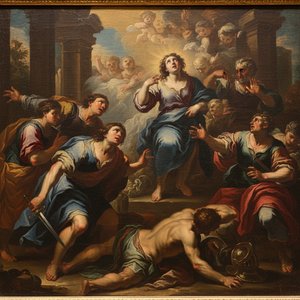
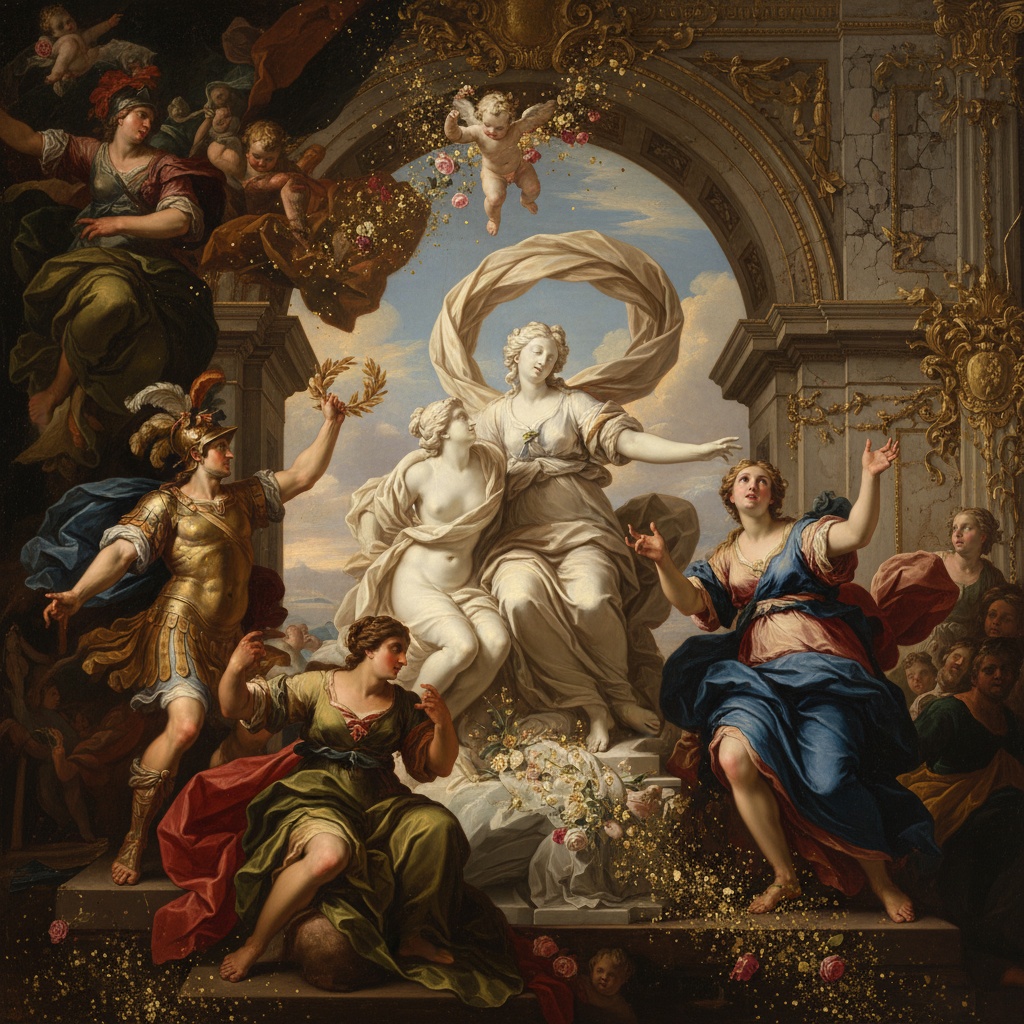
The 17th century witnessed a seismic shift in artistic expression, giving birth to the Baroque – a style characterized by drama, grandeur, and an intense emotionality that captivated Europe and beyond. Emerging from the Renaissance and Mannerism periods, Baroque art wasn’t merely a stylistic departure; it was a response to profound societal changes. The Protestant Reformation had fractured the religious landscape of Europe, prompting the Catholic Church to embark on a vigorous campaign of renewal known as the Counter-Reformation. This period demanded art that could reassert faith, inspire devotion, and visually communicate the power and glory of the Church. But beyond religion, the Baroque also reflected the rise of powerful monarchies and a growing interest in scientific observation, creating a complex interplay of spiritual fervor and worldly ambition.
The initial seeds of Baroque were sown in Rome, where artists sought to break free from the restrained classicism of the High Renaissance. A desire for movement, dynamism, and theatricality began to permeate artistic circles. The patronage system played a crucial role; wealthy cardinals, noble families, and the papacy itself commissioned ambitious projects that showcased their power and piety. This demand fueled innovation and experimentation, leading to new techniques in painting, sculpture, and architecture – all aimed at creating an immersive and awe-inspiring experience for the viewer.
Dramatic Lighting & Composition: The Techniques of Tenebrism
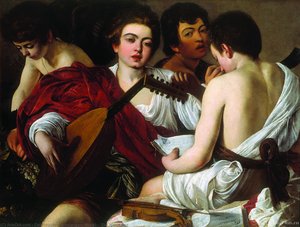
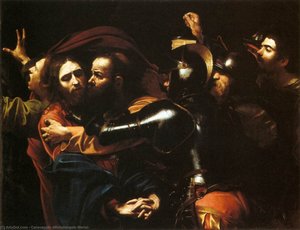
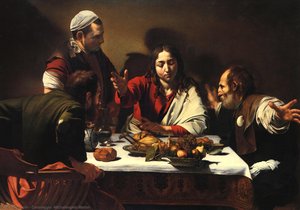
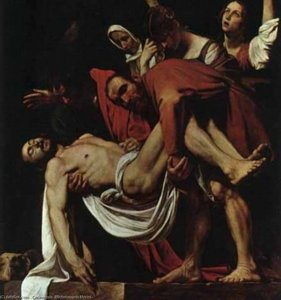
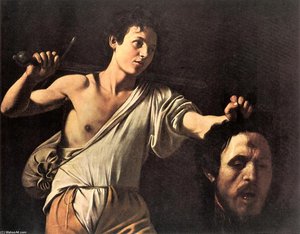
Central to the Baroque aesthetic is the masterful manipulation of light and shadow. While chiaroscuro—the use of strong contrasts between light and dark—had been employed by artists before, it was in the hands of Caravaggio that it evolved into tenebrism. This technique isn’t simply about contrast; it's a deliberate spotlighting effect where darkness dominates the composition, with figures emerging from deep shadows illuminated by a harsh, often single source of light. The result is an intensely dramatic and emotionally charged atmosphere.
Caravaggio didn’t merely paint scenes; he staged them. His compositions are often characterized by their realism—even to the point of depicting unflattering details—and his use of everyday people as models. This immediacy, combined with the stark lighting, creates a visceral connection between the viewer and the subject matter. The psychological impact is profound, drawing the audience into the narrative and evoking feelings of empathy, tension, or even shock. Beyond Caravaggio, artists like Artemisia Gentileschi further refined tenebrism, using it to convey powerful narratives of female strength and resilience.
Religious Zeal & Counter-Reformation Art: Faith on Canvas
The Counter-Reformation profoundly shaped the subject matter of Baroque art. Artists were tasked with creating works that reaffirmed Catholic doctrine and inspired religious devotion. Saints’ lives, biblical scenes, and depictions of miracles became prominent themes. However, this wasn't simply about illustrating stories; it was about making them *feel* real. Artists sought to evoke a sense of wonder, awe, and spiritual transport.
Francisco de Zurbarán exemplifies the Spanish Baroque’s dedication to religious intensity. His paintings of monks, saints, and martyrs are characterized by their austere realism and profound spirituality. Works like “St. Francis Kneeling” showcase his mastery of light and shadow, creating a sense of quiet contemplation and devotion. The simplicity of the compositions—often featuring figures against dark backgrounds—forces the viewer to focus on the emotional state of the subject. Zurbarán’s art wasn't about opulent displays; it was about conveying the inner life of faith.
Baroque Sculpture: Movement, Emotion, and Grandeur
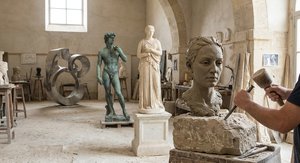
While painting often takes center stage when discussing Baroque art, sculpture played an equally vital role in defining the style. Baroque sculptors sought to capture movement, emotion, and a sense of theatricality in three dimensions. Unlike the static composure of Renaissance sculptures, Baroque figures are often depicted in dynamic poses, caught mid-action or expressing intense emotional states.
Gian Lorenzo Bernini stands as the undisputed master of Baroque sculpture. His works, such as “Ecstasy of Saint Teresa,” exemplify the style’s dramatic flair and technical virtuosity. Bernini didn't just sculpt figures; he created entire scenes—incorporating architecture, lighting, and even hidden mechanisms to enhance the emotional impact. The use of flowing drapery, expressive faces, and dynamic compositions creates a sense of overwhelming realism and spiritual intensity.
Key Masters of the Baroque: Caravaggio, Zurbarán, and Bernini
The Baroque period produced a constellation of artistic geniuses, each contributing to the style’s evolution in unique ways. Caravaggio, with his revolutionary use of tenebrism and unflinching realism, laid the foundation for a new approach to painting. His influence extended far beyond Italy, inspiring artists across Europe.
Francisco de Zurbarán, representing the Spanish Baroque, focused on religious themes with an austere intensity that resonated deeply with the Counter-Reformation spirit. His paintings are characterized by their quiet contemplation and profound spirituality. Bernini, in Rome, redefined sculpture—creating dynamic, emotionally charged works that seamlessly integrated art, architecture, and theater.
These three artists, though distinct in their approaches, shared a common goal: to create art that evoked emotion, inspired devotion, and visually communicated the power of faith or human experience. Their legacy continues to inspire artists today.
The Enduring Legacy of Baroque Drama in Modern Art
The influence of Baroque art extends far beyond the 17th century. Its emphasis on drama, emotional intensity, and technical virtuosity has resonated with artists across subsequent movements. From the Romantic painters who embraced its theatricality to contemporary artists who explore its themes of light and shadow, the Baroque continues to inform artistic practice.
The techniques pioneered by Caravaggio—tenebrism, realism, and psychological depth—continue to be studied and emulated. The grandeur and dynamism of Bernini’s sculptures have inspired generations of sculptors. Even in seemingly disparate styles, echoes of the Baroque can be found – a testament to its enduring power and influence.
At ArtsDot.com, we celebrate the masterpieces of the Baroque period, offering high-quality reproductions that allow you to experience the drama and beauty of this remarkable era in your own home. Explore our collection today and discover the timeless allure of Baroque art.