A Portrait Steeped in Quiet Dignity: Exploring Joseph Siffred Duplessis’s Jean Marie Vien
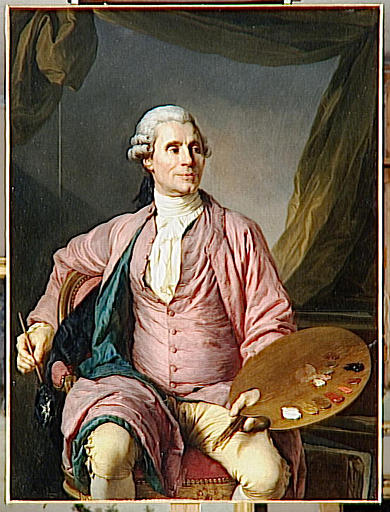
The painting “Jean Marie Vien” by Joseph Siffred Duplessis stands as a testament to the elegance and intellectual curiosity of the French Rococo period. More than just a likeness, it's an embodiment of artistic convention and subtle emotional resonance—a snapshot frozen in time that continues to captivate viewers centuries later. Examining its composition, color palette, technique, and biographical context reveals layers of meaning beyond mere visual representation.
- Historical Context: Duplessis’s work flourished during the reign of Louis XV, a period characterized by opulent court life and an obsession with refined aesthetics. Portraiture served as a crucial tool for asserting social status and demonstrating patronage—artists like Duplessis were commissioned to immortalize prominent figures within the aristocracy.
- Composition & Technique: Duplessis employs a masterful three-quarter pose, placing Vien centrally against a backdrop of draped fabric that establishes depth and visual harmony. The artist’s meticulous brushwork – visible in the textured surface of the canvas – demonstrates a dedication to realism while simultaneously adhering to the stylistic ideals of his time. He skillfully blends colors using glazing techniques, creating luminous effects that capture the subtleties of light and shadow.
Color Palette & Symbolism: The painting’s dominant hues—soft pinks and creams—reflect the prevailing pastel palette favored by Rococo artists. These delicate shades evoke a sense of serenity and refinement, mirroring Vien's contemplative gaze. The earthy tones incorporated into the drapery subtly hint at connection to nature – a conscious effort to temper the grandeur of aristocratic society with humanist values. Furthermore, the muted colors contribute to an overall mood of understated dignity.
Emotional Impact: Beyond its formal beauty, “Jean Marie Vien” communicates a profound emotional depth. Vien’s gaze directs towards the viewer, inviting contemplation and conveying a quiet awareness of his surroundings. The artist's posture exudes confidence tempered by thoughtfulness—a portrayal that speaks to the complexities of human experience within the context of aristocratic culture. It is precisely this nuanced depiction that elevates the painting beyond mere visual spectacle.
- Materials & Medium: Duplessis utilized oil paint on canvas, a technique perfected during the Baroque era and skillfully adapted for the Rococo style. The choice of natural hair brushes ensured optimal blending and texture—a testament to the artist’s commitment to craftsmanship.
Concluding Thoughts: “Jean Marie Vien” isn't simply a portrait; it’s an artifact of its era, imbued with symbolic significance and executed with exceptional artistic skill. Its enduring appeal lies in its ability to capture not only the physical likeness of Jean Marie Vien but also his inner spirit—a quiet dignity that continues to inspire admiration and contemplation today. It serves as a beautiful reminder that art possesses the power to transcend time, conveying emotions and ideas that resonate across generations.