 Preview
 Send
Send Share
Share
 Details

 Download
 Similars
 X-Ray
X-Ray Diaporama
JEAN MARIE VIEN


 Read More
Hand Made Oil Reproduction
Hand-painted oil on canvas in your size and frame, made to order by our artists. ( Buy Print Buy Image)




































Pick from our preset sizes that match the artwork's original proportions.

You may enter your own dimensions to fit a specific frame or space. If your selected size does not match the original image's proportions, we will either crop the artwork or extend the painting with additional hand-painted elements. A digital mockup will be sent for your approval before production begins.
Please note that the on-screen preview does not reflect the actual cropping or extension. Only the mockup will accurately show the final composition.
While custom sizes are available, we recommend selecting a dimension from the predefined list to preserve the original proportions.
After order, ArtsDot.com team will email client for instructions and provide a mockup preview
Worldwide Delivery () in 3/4 weeks instead of standard 5 weeks. (17 August). No compromise on quality.

Free Worldwide Express Shipping

High-Quality Linen Canvas

Full Shipping Insurance

Customs Tax Refund Guarantee

True Color Matching Guarantee

60-Day Return Policy (Defects Only)

100% Money-Back Guarantee

Bulk Discount Offer
 Glass option is only available in size under 110 CM

JEAN MARIE VIEN
Reproduction Medium
Reproduction Size
-


Total Price
$ 263
Artwork Description
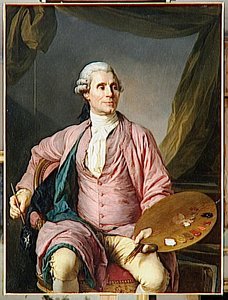
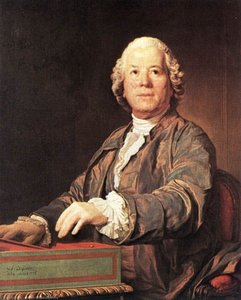
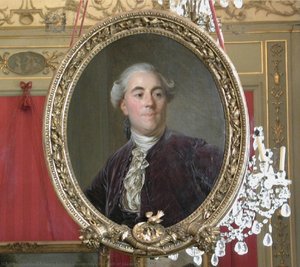
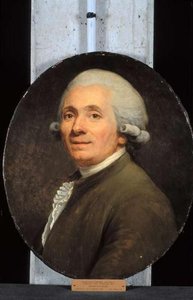
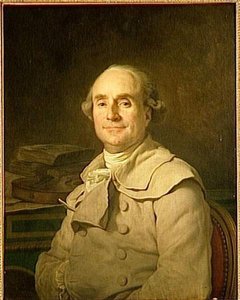
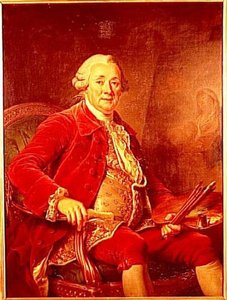
A Portrait Steeped in Quiet Dignity: Exploring Joseph Siffred Duplessis’s Jean Marie Vien
The painting “Jean Marie Vien” by Joseph Siffred Duplessis stands as a testament to the elegance and intellectual curiosity of the French Rococo period. More than just a likeness, it's an embodiment of artistic convention and subtle emotional resonance—a snapshot frozen in time that continues to captivate viewers centuries later. Examining its composition, color palette, technique, and biographical context reveals layers of meaning beyond mere visual representation.- Historical Context: Duplessis’s work flourished during the reign of Louis XV, a period characterized by opulent court life and an obsession with refined aesthetics. Portraiture served as a crucial tool for asserting social status and demonstrating patronage—artists like Duplessis were commissioned to immortalize prominent figures within the aristocracy.
- Composition & Technique: Duplessis employs a masterful three-quarter pose, placing Vien centrally against a backdrop of draped fabric that establishes depth and visual harmony. The artist’s meticulous brushwork – visible in the textured surface of the canvas – demonstrates a dedication to realism while simultaneously adhering to the stylistic ideals of his time. He skillfully blends colors using glazing techniques, creating luminous effects that capture the subtleties of light and shadow.
- Materials & Medium: Duplessis utilized oil paint on canvas, a technique perfected during the Baroque era and skillfully adapted for the Rococo style. The choice of natural hair brushes ensured optimal blending and texture—a testament to the artist’s commitment to craftsmanship.
Related Artworks
Artist Biography
A Life Etched in Likeness: The World of Joseph-Siffred Duplessis
Joseph-Siffred Duplessis, a name perhaps less immediately recognizable than some of his contemporaries, nevertheless occupies a pivotal position in the history of 18th-century French portraiture. Born in Carpentras in 1725, he wasn’t born into an established artistic dynasty but rather a family where creativity simmered beneath the surface of practical life; his father, a surgeon, possessed a keen amateur interest in painting and provided young Joseph with his earliest instruction. This grounding in observation – the precise rendering required by medical illustration – would prove invaluable to Duplessis’s later success. He continued his formal training under Joseph Gabriel Imbert, a pupil of Charles Le Brun, absorbing the established academic techniques before venturing to Rome between 1744 and 1747. It was in Italy, within Pierre Subleyras' atelier, that Duplessis truly blossomed, forging friendships with fellow artists like Joseph Vernet and immersing himself in the rich artistic heritage of the Italian peninsula. This period wasn’t merely about mastering technique; it was a crucial stage in developing his aesthetic sensibility, shaping the clarity and immediacy that would come to define his style.Navigating Artistic Currents: From Rococo Grace to Neoclassical Restraint
Returning to France, Duplessis initially settled in Lyon before establishing himself in Paris around 1752. His early years were marked by a slow ascent; acceptance into the Académie de Saint-Luc provided a platform, but recognition remained elusive. The turning point arrived at the Salon of 1769. Exhibiting ten portraits, Duplessis finally garnered significant acclaim, notably from the influential critic Denis Diderot. This breakthrough paved the way for his election to the prestigious Académie de peinture et de sculpture in 1770 – a remarkable achievement considering portraiture was often viewed as a lesser genre within the academic hierarchy. His appointment as *peintre du Roi* in 1771, coupled with commissions such as the portrait of the Dauphine, solidified his position at court and ushered in a period of prolific output. Duplessis’s artistic development coincided with a shifting aesthetic landscape. While initially influenced by the Rococo's elegance and decorative flair, he gradually incorporated elements of the emerging Neoclassical style, resulting in a unique blend of grace and restraint. He skillfully adapted his approach to suit his sitters, ranging from the formal grandeur demanded by royalty to the intimate realism favored for artists and intellectuals. His privileged lodgings within the Galeries du Louvre provided not only status but also constant exposure to masterpieces that further refined his artistic vision.Portraits of an Era: Capturing Character and History
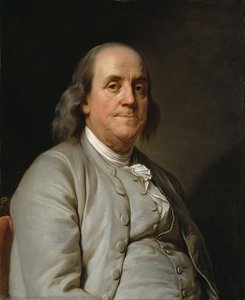
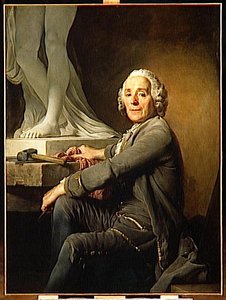
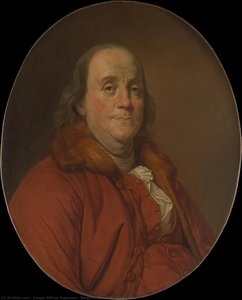
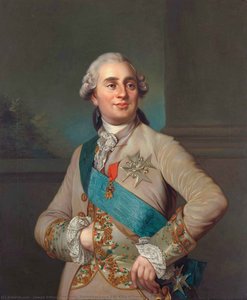
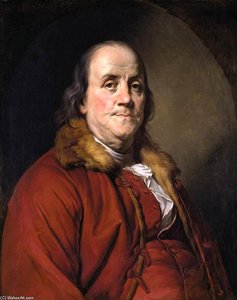
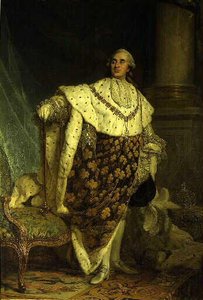
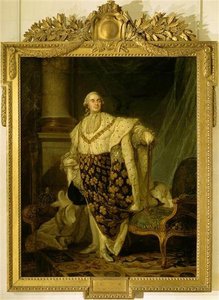
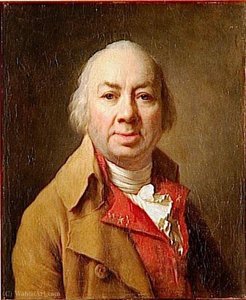
Duplessis’s oeuvre is a fascinating chronicle of 18th-century French society, populated by figures from the aristocracy, the world of arts and letters, and even revolutionary icons. Perhaps his most enduring work is the portrait of Benjamin Franklin, created around 1785. This image, with its remarkable realism and psychological depth, has become iconic, transcending the realm of art to appear on the U.S. hundred-dollar bill. It’s a testament to Duplessis's ability to capture not just physical likeness but also the essence of his subject’s character. Other notable works include the stately portrait of Louis XVI in coronation robes (1776), demonstrating his mastery of formal composition and regal presentation, and intimate portrayals like that of Christoph Willibald Gluck, capturing the composer at work with a palpable sense of inspiration. The penetrating depiction of Christophe Gabriel Allegrain, the sculptor, reveals Duplessis’s skill in conveying personality through nuanced detail. He also painted Jacques Necker, demonstrating his ability to capture individuals from various social strata. These portraits weren't merely exercises in technical skill; they were insightful studies of human nature, reflecting the intellectual and political currents of the time.Legacy and Remembrance: A Master of Intimacy
The French Revolution brought upheaval to Duplessis’s life, forcing him to seek refuge in his hometown of Carpentras during the Reign of Terror. However, he re-emerged after the turmoil, serving as curator at the newly established museum at Versailles from 1796 until his death in 1802. This final chapter reflects a commitment to preserving artistic heritage even amidst societal change. Duplessis’s historical significance lies not only in his technical prowess but also in his ability to capture the spirit of an era on canvas. He played a crucial role in shaping portraiture during the late 18th century, bridging the gap between Rococo and Neoclassicism with a style characterized by clarity, immediacy, and psychological insight. His portraits offer invaluable glimpses into the lives and personalities of those who shaped history, ensuring his lasting legacy as a master of intimacy and observation. His work continues to resonate today, reminding us of the power of art to illuminate the past and connect us to the human experience.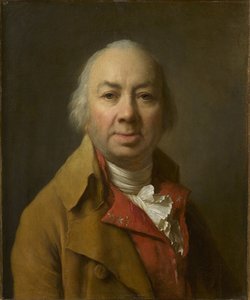
Joseph Siffred Duplessis
1725 - 1802 , France
Quick Facts
- Artistic Movement Or Style: Rococo, Neoclassicism
- Artists Or Movements Influenced By This Artist: Portraiture
- Artists Who Influenced This Artist:
- Joseph Gabriel Imbert
- Pierre Subleyras
- Date Of Birth: September 22, 1725
- Date Of Death: April 1, 1802
- Full Name: Joseph-Siffred Duplessis
- Nationality: French
- Notable Artworks:
- Benjamin Franklin
- Louis XVI
- Jacques Necker
- Christoph Gluck
- Place Of Birth: Carpentras, France
Related Articles
Simon Vouet: A Baroque Master's Journey from Italian Influence to French Classicism
Explore the life & art of Simon Vouet, a pivotal French Baroque painter who introduced Italian styles to France. Discover his masterpieces and lasting influence on 17th-century art.

Baroque Drama: Bringing Opulence & Emotion into Contemporary Interiors
Explore the opulent world of Baroque interior design! Discover key elements, modern applications & how to bring dramatic elegance into your home with 's authentic reproductions.
From Grandeur to Grace: Exploring the Evolution of Baroque & Rococo Art
Explore the captivating evolution from Baroque's drama to Rococo's grace! Discover key artists, characteristics & lasting influence of these art movements with expert insights at ArtsDot.
Charles Le Brun: Master of French Baroque Classicism & His Enduring Legacy
Explore the life & art of Charles Le Brun, master of French Baroque Classicism. Discover his royal commissions, influence on Versailles, and enduring legacy through detailed analysis & stunning artworks.

The Dramatic Flourish: Exploring the Baroque Movement's Enduring Legacy in Art History
Explore the dramatic world of Baroque art! Discover iconic artists like Caravaggio & Rubens, defining techniques, and its lasting impact on art history. Expert insights for collectors & enthusiasts at ArtsDot.