A Window Into Gentle Rebellion: Lee Jung-Seob’s “Flower and Children”
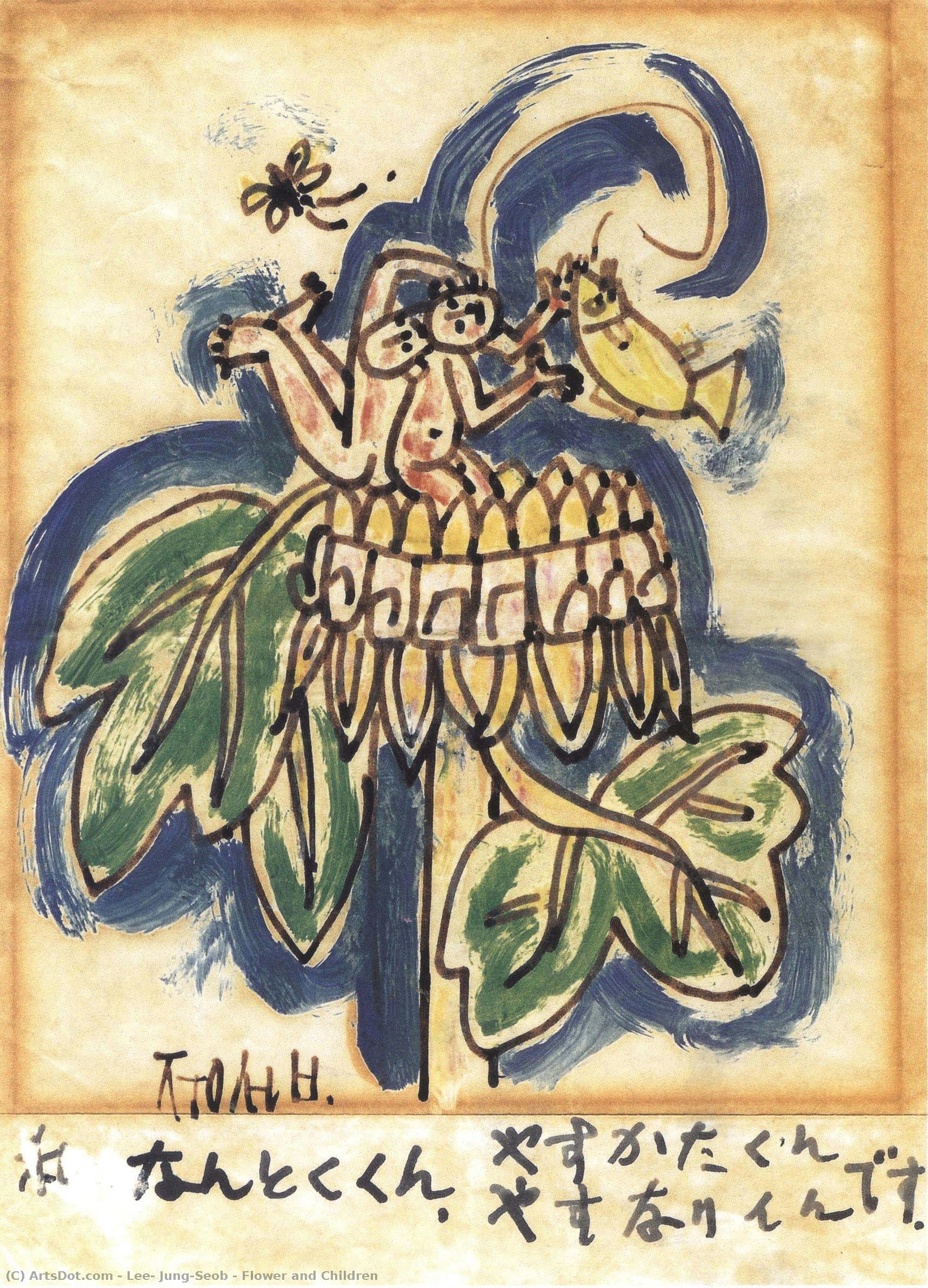
Lee Jung-Seob's "Flower and Children," painted in 1950s Korea, isn’t merely a depiction of two monkeys amidst a blossoming tree; it’s a poignant distillation of the era’s burgeoning spirit of quiet rebellion and an enduring symbol of childhood innocence. Born in Pyeongannamdo in 1916, Lee Jung-Seob emerged as a pivotal figure in Korean oil painting, skillfully blending traditional Korean aesthetics with the evolving techniques of modernism. His work, particularly this evocative piece, resonates deeply not just for its technical mastery but also for the subtle narrative it unfolds – a story of connection, observation, and a gentle defiance against the rigid constraints of societal expectations.
The painting itself is rendered in a deceptively simple style, characteristic of Lee’s mature work. He employs a muted palette dominated by earthy greens, browns, and soft blues, creating an atmosphere of serene tranquility. The monkeys, rendered with remarkable detail – their fur meticulously brushed, their expressions subtly inquisitive – are the focal point. They aren't presented as wild animals, but rather as companions, engaged in playful interaction within a vibrant, almost dreamlike setting. The abundance of flowers, depicted with delicate strokes and varying shades of color, isn’t just decorative; it represents a burgeoning hope, a celebration of life, and perhaps even a quiet resistance to the prevailing seriousness of the time.
The Context of Korean Modernism
To fully appreciate “Flower and Children,” one must consider the broader context of Korean art in the 1950s. Following decades of Japanese colonial rule and subsequent war, Korea was grappling with a profound sense of national identity and searching for its artistic voice. Lee Jung-Seob, along with other pioneering artists like Kim Whan-gi, played a crucial role in establishing modern Korean painting as a legitimate art form. They drew inspiration from both Western traditions – particularly Impressionism and Post-Impressionism – and the rich visual vocabulary of Korean folk art and landscape painting. “Flower and Children” exemplifies this synthesis: it’s a distinctly Korean work that simultaneously engages with universal themes of childhood, nature, and human connection.
Symbolism in the Details
The seemingly simple composition is laden with symbolic weight. The monkeys themselves have long been associated with intelligence, playfulness, and adaptability – qualities highly valued in Korean culture. Their interaction within the floral setting suggests a harmonious coexistence, a gentle balance between the natural world and human experience. Notably, one monkey appears to be holding an object in its mouth—a detail often interpreted as representing the potential for both joy and mischief, innocence and experience. The flowers aren’t just beautiful; they represent growth, renewal, and the fleeting nature of life – themes that resonate powerfully within the painting.
A Legacy of Quiet Beauty
“Flower and Children” resides at the National Museum of Korea in Seoul, a testament to its enduring significance. It's a work that invites contemplation, prompting viewers to consider the delicate balance between tradition and modernity, innocence and experience, and the quiet beauty found within everyday moments. Reproductions of this captivating painting offer a window into Lee Jung-Seob’s artistic vision and provide a poignant reminder of Korea’s rich cultural heritage. Its timeless appeal continues to resonate with collectors and interior designers seeking pieces that evoke a sense of serenity, nostalgia, and understated elegance.