 Preview
 Send
Send Share
Share
 Details

 Download
 Similars
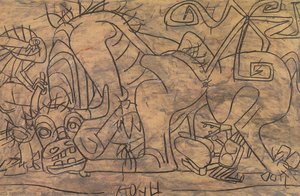
 X-Ray
X-Ray Diaporama
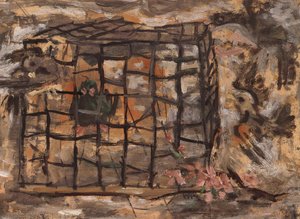
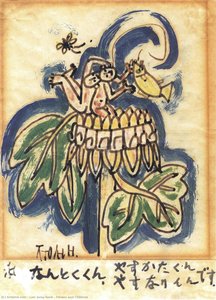
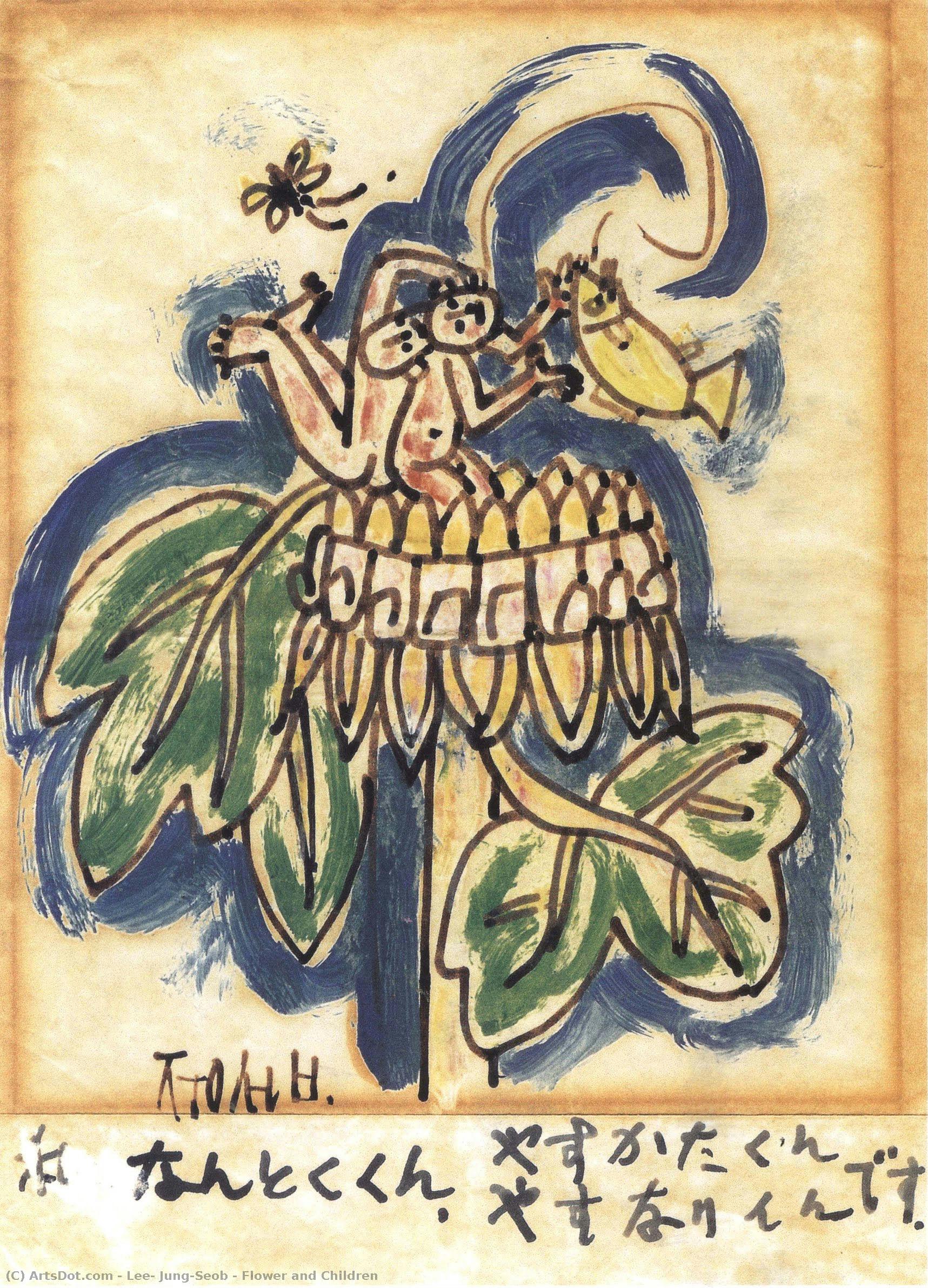
Flower and Children
 Acrylic On Canvas
- WallArt
- Modern Korean Art
 18.0 x 23.0 cm
 National Museum of Korea
 Read More
Hand Made Oil Reproduction
Hand-painted oil on canvas in your size and frame, made to order by our artists. ( Buy Print Buy Image)




P118B $10

P118H $10

P118W $10

P438Z $10

P508JH $12

P508YH $12

P805H $10

P805Z $10

P919BZ $10

P919G $10

P919XJ $10

P959ZH $10

P968JZ $12

W106C $8

W218G $10

W218JH $8

W218Y $10

W307PJ $10

W316G $10

W316PJ $8

W316Y $10

W398PJ $8

W4111J $10

W500HY $15

W500JH $15

W692G $12

W849H $8

W940BG $15

W953PJ $8




Pick from our preset sizes that match the artwork's original proportions.

You may enter your own dimensions to fit a specific frame or space. If your selected size does not match the original image's proportions, we will either crop the artwork or extend the painting with additional hand-painted elements. A digital mockup will be sent for your approval before production begins.
Please note that the on-screen preview does not reflect the actual cropping or extension. Only the mockup will accurately show the final composition.
While custom sizes are available, we recommend selecting a dimension from the predefined list to preserve the original proportions.
After order, ArtsDot.com team will email client for instructions and provide a mockup preview
Worldwide Delivery () in 3/4 weeks instead of standard 5 weeks. (17 August). No compromise on quality.

Free Worldwide Express Shipping

High-Quality Linen Canvas

Full Shipping Insurance

Customs Tax Refund Guarantee

True Color Matching Guarantee

60-Day Return Policy (Defects Only)

100% Money-Back Guarantee

Bulk Discount Offer
 Glass option is only available in size under 110 CM

Flower and Children
Reproduction Medium
Reproduction Size
-


Total Price
$ 263
Artwork Description
A Window Into Gentle Rebellion: Lee Jung-Seob’s “Flower and Children”
Lee Jung-Seob's "Flower and Children," painted in 1950s Korea, isn’t merely a depiction of two monkeys amidst a blossoming tree; it’s a poignant distillation of the era’s burgeoning spirit of quiet rebellion and an enduring symbol of childhood innocence. Born in Pyeongannamdo in 1916, Lee Jung-Seob emerged as a pivotal figure in Korean oil painting, skillfully blending traditional Korean aesthetics with the evolving techniques of modernism. His work, particularly this evocative piece, resonates deeply not just for its technical mastery but also for the subtle narrative it unfolds – a story of connection, observation, and a gentle defiance against the rigid constraints of societal expectations.
The painting itself is rendered in a deceptively simple style, characteristic of Lee’s mature work. He employs a muted palette dominated by earthy greens, browns, and soft blues, creating an atmosphere of serene tranquility. The monkeys, rendered with remarkable detail – their fur meticulously brushed, their expressions subtly inquisitive – are the focal point. They aren't presented as wild animals, but rather as companions, engaged in playful interaction within a vibrant, almost dreamlike setting. The abundance of flowers, depicted with delicate strokes and varying shades of color, isn’t just decorative; it represents a burgeoning hope, a celebration of life, and perhaps even a quiet resistance to the prevailing seriousness of the time.
The Context of Korean Modernism
To fully appreciate “Flower and Children,” one must consider the broader context of Korean art in the 1950s. Following decades of Japanese colonial rule and subsequent war, Korea was grappling with a profound sense of national identity and searching for its artistic voice. Lee Jung-Seob, along with other pioneering artists like Kim Whan-gi, played a crucial role in establishing modern Korean painting as a legitimate art form. They drew inspiration from both Western traditions – particularly Impressionism and Post-Impressionism – and the rich visual vocabulary of Korean folk art and landscape painting. “Flower and Children” exemplifies this synthesis: it’s a distinctly Korean work that simultaneously engages with universal themes of childhood, nature, and human connection.
Symbolism in the Details
The seemingly simple composition is laden with symbolic weight. The monkeys themselves have long been associated with intelligence, playfulness, and adaptability – qualities highly valued in Korean culture. Their interaction within the floral setting suggests a harmonious coexistence, a gentle balance between the natural world and human experience. Notably, one monkey appears to be holding an object in its mouth—a detail often interpreted as representing the potential for both joy and mischief, innocence and experience. The flowers aren’t just beautiful; they represent growth, renewal, and the fleeting nature of life – themes that resonate powerfully within the painting.
A Legacy of Quiet Beauty
“Flower and Children” resides at the National Museum of Korea in Seoul, a testament to its enduring significance. It's a work that invites contemplation, prompting viewers to consider the delicate balance between tradition and modernity, innocence and experience, and the quiet beauty found within everyday moments. Reproductions of this captivating painting offer a window into Lee Jung-Seob’s artistic vision and provide a poignant reminder of Korea’s rich cultural heritage. Its timeless appeal continues to resonate with collectors and interior designers seeking pieces that evoke a sense of serenity, nostalgia, and understated elegance.
Related Artworks
Artist Biography
a korean master of oil paintings
lee, jung-seob, a prominent south korean artist, left an indelible mark on the art world with his captivating oil paintings. born in pyeongannamdo, south korea in 1916, lee's artistic journey was marked by innovation and a deep connection with his heritage.artistic contributions
lee jung-seob is best known for his iconic piece 'white ox', a testament to his skillful use of oil paints. this masterpiece, among others, showcases his unique style that blends traditional korean elements with modern techniques.- key works:
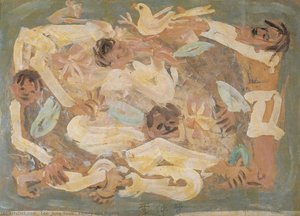
- family and pigeon (national museum of korea, seoul, south korea) - a poignant oil on paper piece.
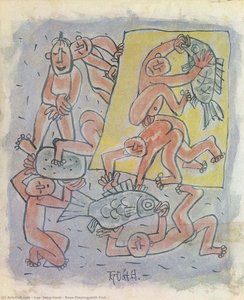
- boys, fish, and crab (national museum of korea, seoul, south korea) - a watercolor showcasing lee's versatility.
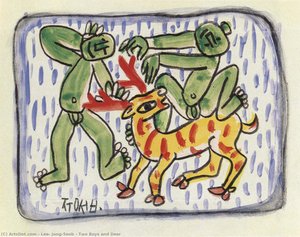
- two boys and deer (national museum of korea, seoul, south korea) - another example of his watercolor prowess.
- museums featuring his work:
- national museum of korea (seoul, south korea)
legacy and influence
lee jung-seob's passing in seoul in 1956 marked the end of an era but also paved the way for future generations of korean artists. his influence can be seen in the works of many contemporary korean painters. explore more of lee jung-seob's art: [https://ArtsDot.com/@/lee-jung-seob](https://ArtsDot.com/@/lee-jung-seob) | discover an extensive collection of his paintings on ArtsDot. learn about other renowned artists: /en/art/list/ | browse through the list of greatest artists at ArtsDot.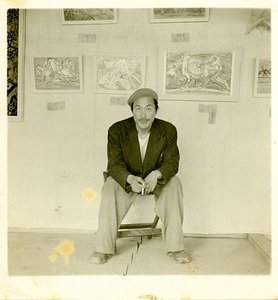
lee, jung-seob
1916 - 1956 , South Korea
Quick Facts
- Artistic Movement Or Style: Modern Korean Art
- Artists Or Movements Influenced By This Artist: ['Fauvism']
- Artists Who Influenced This Artist: ['Goguryeo tomb murals']
- Date Of Birth: April 10, 1916
- Date Of Death: September 6, 1956
- Full Name: Lee Jung-seob
- Nationality: Korean
- Notable Artworks:
- White Ox
- Family & Pigeon
- Boys, fish, crab
- Place Of Birth: Pyeongannamdo, Korea
Related Articles

The Enduring Legacy of Oil on Canvas: Technique, History & Aesthetic Impact
Explore the rich history & techniques of oil painting – from Renaissance masters to Impressionism. Discover pigments, layering methods, and why this timeless medium endures. Expert insights for artists & art enthusiasts.

Oil on Canvas: A Historical & Technical Exploration of a Timeless Artistic Medium
Explore the rich history & enduring techniques of oil painting on canvas. Discover the science behind its longevity, conservation practices, and contemporary relevance. Expert insights for art enthusiasts.

The Enduring Power of Painting: A Historical & Contemporary Exploration of Form and Emotion
Explore the rich history & enduring techniques of oil painting with ArtsDot. Discover masterpieces, learn about art collecting, and find authentic handmade reproductions crafted by skilled artists.

The Enduring Legacy of Oil on Canvas: Technique, History & Contemporary Practice
Explore the rich history & enduring techniques of oil painting on canvas. Discover the science behind its longevity, conservation practices, and contemporary relevance. Expert insights for art enthusiasts.
Blossoming Symbolism: A Historical Journey Through Flowers in Western Painting
Explore the rich history of flower symbolism in Western painting! Discover how artists from the Renaissance to Modernism used blossoms to convey meaning, emotion & beauty. Learn about iconic artworks and movements.