 Preview
 Send
Send Share
Share
 Details

 Download
 Similars
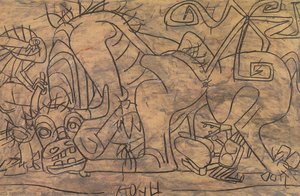
 X-Ray
X-Ray Diaporama
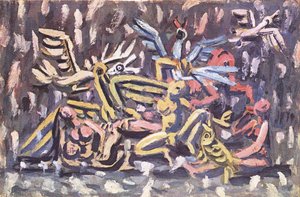
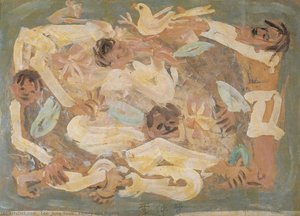
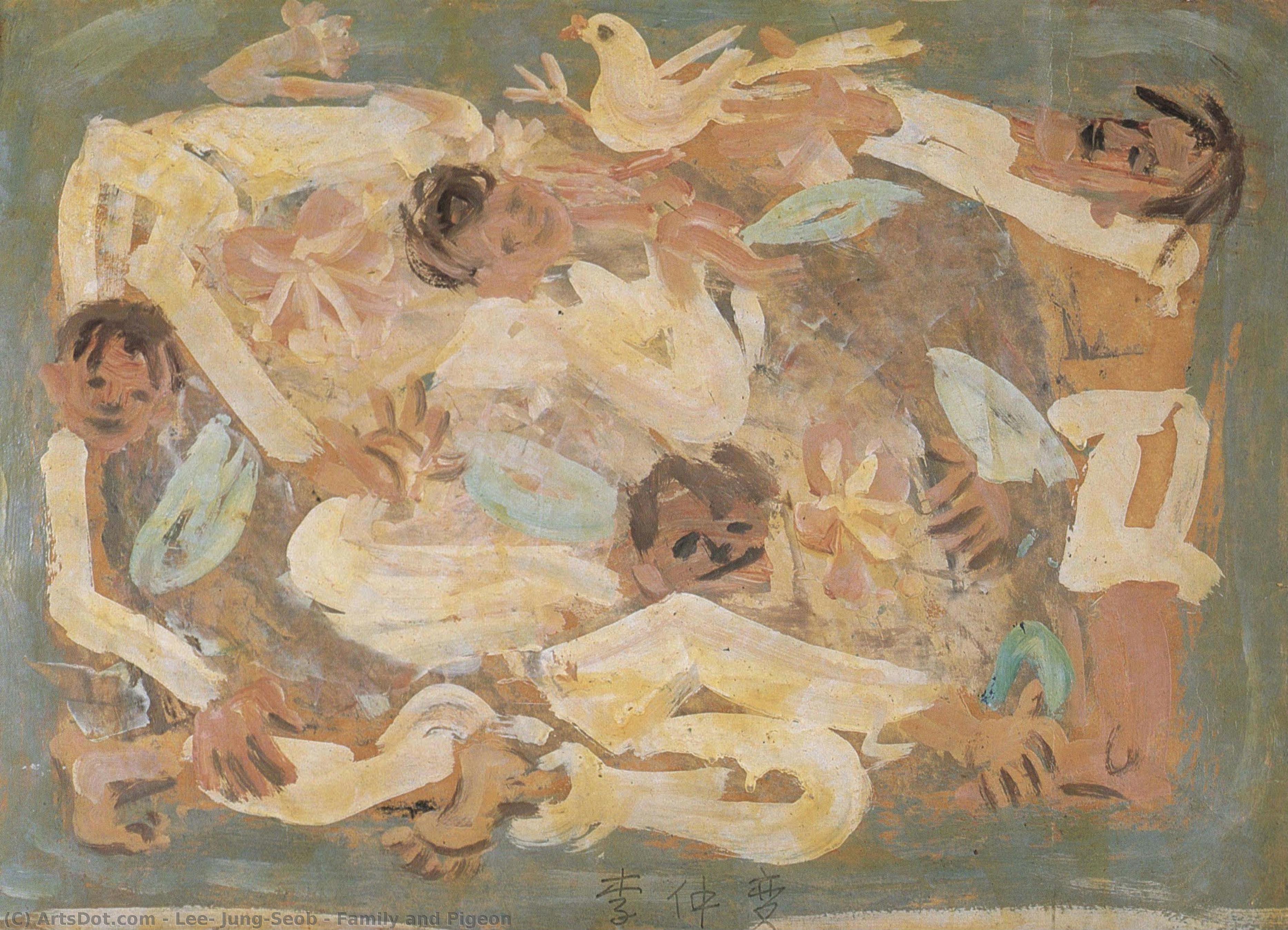
Family and Pigeon
 Acrylic On Canvas
- WallArt
- Korean Modernism
 40.0 x 29.0 cm
 National Museum of Korea
 Read More
Hand Made Oil Reproduction
Hand-painted oil on canvas in your size and frame, made to order by our artists. ( Buy Print Buy Image)




P118B $10

P118H $10

P118W $10

P438Z $10

P508JH $12

P508YH $12

P805H $10

P805Z $10

P919BZ $10

P919G $10

P919XJ $10

P959ZH $10

P968JZ $12

W106C $8

W218G $10

W218JH $8

W218Y $10

W307PJ $10

W316G $10

W316PJ $8

W316Y $10

W398PJ $8

W4111J $10

W500HY $15

W500JH $15

W692G $12

W849H $8

W940BG $15

W953PJ $8




Pick from our preset sizes that match the artwork's original proportions.

You may enter your own dimensions to fit a specific frame or space. If your selected size does not match the original image's proportions, we will either crop the artwork or extend the painting with additional hand-painted elements. A digital mockup will be sent for your approval before production begins.
Please note that the on-screen preview does not reflect the actual cropping or extension. Only the mockup will accurately show the final composition.
While custom sizes are available, we recommend selecting a dimension from the predefined list to preserve the original proportions.
After order, ArtsDot.com team will email client for instructions and provide a mockup preview
Worldwide Delivery () in 3/4 weeks instead of standard 5 weeks. (17 August). No compromise on quality.

Free Worldwide Express Shipping

High-Quality Linen Canvas

Full Shipping Insurance

Customs Tax Refund Guarantee

True Color Matching Guarantee

60-Day Return Policy (Defects Only)

100% Money-Back Guarantee

Bulk Discount Offer
 Glass option is only available in size under 110 CM

Family and Pigeon
Reproduction Medium
Reproduction Size
-


Total Price
$ 263
Artwork Description
A Moment of Quietude: Unveiling “Family and Pigeon”
Lee Jung-seob’s “Family and Pigeon,” a poignant oil on paper created in the mid-20th century, transcends mere representation to become a deeply resonant meditation on domesticity, vulnerability, and the quiet beauty of everyday life. Painted during a turbulent period in Korean history – a nation grappling with colonial rule, war, and profound social upheaval – the artwork offers a rare glimpse into a world striving for serenity amidst chaos. The scene unfolds within a modest dwelling, bathed in soft, diffused light that suggests an early morning or late afternoon. A family—father, mother, and children—occupies the foreground, their postures relaxed yet attentive, suggesting a shared moment of contentment. Above them, perched on a simple wooden beam, sits a pigeon, its presence both unassuming and symbolic.
The Artist’s Context: Lee Jung-seob and the Korean Modernist Movement
Lee Jung-seob (1916-1956) stands as a pivotal figure in the development of Korean modern art. Born in Pyeongannamdo, his artistic journey was profoundly shaped by the socio-political realities of his time. He navigated the complexities of Japanese colonial rule and the devastating Korean War, experiences that undoubtedly informed his deeply humanistic approach to painting. Lee’s work is characterized by a masterful blend of traditional Korean aesthetics – particularly in his use of color and composition—with innovative techniques borrowed from Western art movements like Fauvism and Expressionism. His early training at Bunka Gakuin in Tokyo exposed him to these influences, which he skillfully integrated into his unique style. Unlike many artists who sought to reject the past, Lee embraced Korean heritage while simultaneously pushing artistic boundaries.
Symbolic Layers: The Pigeon and the Family
The inclusion of a pigeon is particularly noteworthy. In Korean culture, pigeons are often associated with peace, hope, and good fortune – symbols that resonated powerfully during a period marked by conflict and uncertainty. Its presence above the family can be interpreted as a blessing, a quiet affirmation of life amidst hardship. The family itself embodies themes of familial love, resilience, and the enduring spirit of Korean identity. Their simple attire and relaxed demeanor suggest a connection to the land and a deep-rooted sense of community. The children, in particular, represent the future—a hopeful generation striving for stability and prosperity within a nation rebuilding itself.
Technique and Emotional Resonance
Lee Jung-seob’s technique is characterized by loose brushstrokes and a vibrant yet muted color palette. He employs a broken, expressive application of paint, creating a sense of movement and capturing the ephemeral quality of light. The painting's emotional impact lies in its quiet intimacy—a feeling of warmth, vulnerability, and understated beauty. “Family and Pigeon” is not a grand statement; rather, it’s a subtle invitation to contemplate the simple joys of family life and the enduring strength of the human spirit. It speaks to a universal longing for connection, security, and moments of peaceful contemplation. Reproductions of this work offer a tangible link to a significant moment in Korean art history, inviting viewers to reflect on themes of resilience, hope, and the beauty found within everyday existence.
Related Artworks
Artist Biography
a korean master of oil paintings
lee, jung-seob, a prominent south korean artist, left an indelible mark on the art world with his captivating oil paintings. born in pyeongannamdo, south korea in 1916, lee's artistic journey was marked by innovation and a deep connection with his heritage.artistic contributions
lee jung-seob is best known for his iconic piece 'white ox', a testament to his skillful use of oil paints. this masterpiece, among others, showcases his unique style that blends traditional korean elements with modern techniques.- key works:
- family and pigeon (national museum of korea, seoul, south korea) - a poignant oil on paper piece.
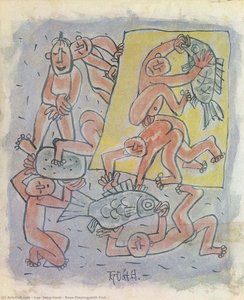
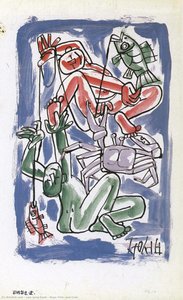
- boys, fish, and crab (national museum of korea, seoul, south korea) - a watercolor showcasing lee's versatility.
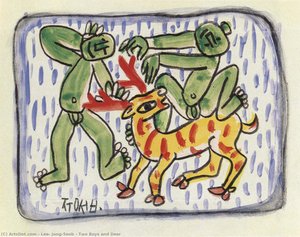
- two boys and deer (national museum of korea, seoul, south korea) - another example of his watercolor prowess.
- museums featuring his work:
- national museum of korea (seoul, south korea)
legacy and influence
lee jung-seob's passing in seoul in 1956 marked the end of an era but also paved the way for future generations of korean artists. his influence can be seen in the works of many contemporary korean painters. explore more of lee jung-seob's art: [https://ArtsDot.com/@/lee-jung-seob](https://ArtsDot.com/@/lee-jung-seob) | discover an extensive collection of his paintings on ArtsDot. learn about other renowned artists: /en/art/list/ | browse through the list of greatest artists at ArtsDot.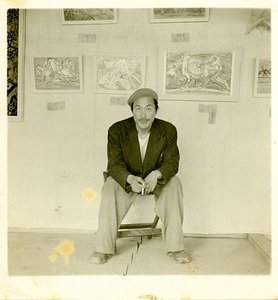
lee, jung-seob
1916 - 1956 , South Korea
Quick Facts
- Artistic Movement Or Style: Modern Korean Art
- Artists Or Movements Influenced By This Artist: ['Fauvism']
- Artists Who Influenced This Artist: ['Goguryeo tomb murals']
- Date Of Birth: April 10, 1916
- Date Of Death: September 6, 1956
- Full Name: Lee Jung-seob
- Nationality: Korean
- Notable Artworks:
- White Ox
- Family & Pigeon
- Boys, fish, crab
- Place Of Birth: Pyeongannamdo, Korea
Related Articles

The Enduring Legacy of Oil on Canvas: Technique, History & Aesthetic Impact
Explore the rich history & techniques of oil painting – from Renaissance masters to Impressionism. Discover pigments, layering methods, and why this timeless medium endures. Expert insights for artists & art enthusiasts.

Oil on Canvas: A Historical & Technical Exploration of a Timeless Artistic Medium
Explore the rich history & enduring techniques of oil painting on canvas. Discover the science behind its longevity, conservation practices, and contemporary relevance. Expert insights for art enthusiasts.

The Enduring Power of Painting: A Historical & Contemporary Exploration of Form and Emotion
Explore the rich history & enduring techniques of oil painting with ArtsDot. Discover masterpieces, learn about art collecting, and find authentic handmade reproductions crafted by skilled artists.
Capturing Kinship: Commission Affordable Oil Portraits as Enduring Family Legacies
Transform cherished photos into timeless oil portraits with ArtsDot. Commission a hand-painted family masterpiece that preserves your legacy for generations. Affordable, expert artistry & 100% satisfaction guaranteed.

The Enduring Legacy of Oil on Canvas: Technique, History & Contemporary Practice
Explore the rich history & enduring techniques of oil painting on canvas. Discover the science behind its longevity, conservation practices, and contemporary relevance. Expert insights for art enthusiasts.