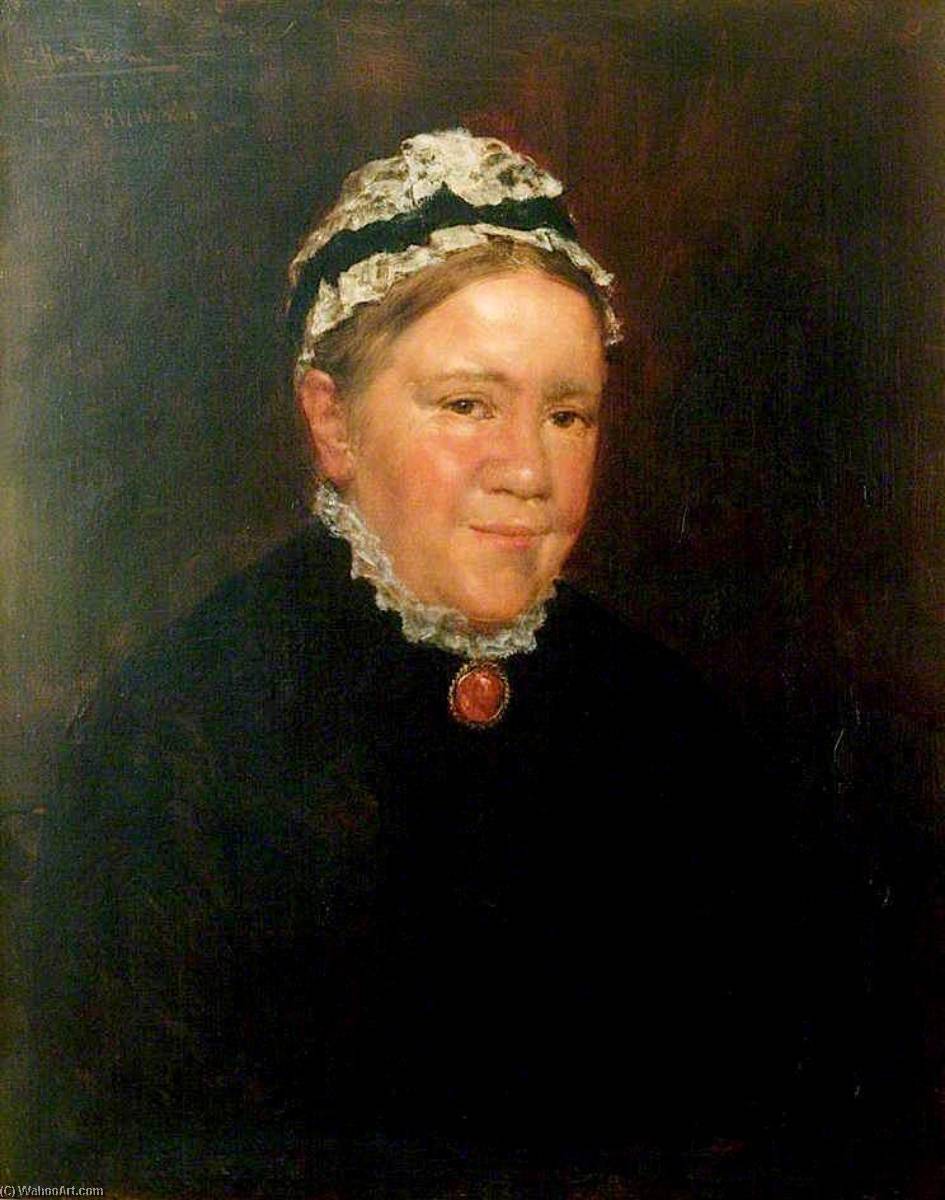
Kate Loder (1825–1904), Lady Thompson – A Victorian Portrait Steeped in Symbolism
Kate Fanny Loder, later Lady Thompson, stands as a testament to the artistic spirit of Victorian England—a woman whose life intersected with the burgeoning fascination for classical ideals and whose portrait by Lawrence Alma-Tadema captures both her likeness and a profound sense of melancholy. Painted in 1870, this artwork transcends mere representation; it’s an exploration of femininity, social status, and the subtle anxieties inherent within a rapidly changing era. Alma-Tadema's meticulous attention to detail—particularly his masterful use of light—elevates the image beyond a simple likeness into a carefully constructed visual narrative.
- Subject Matter: The portrait depicts Kate Loder, Lady Thompson, seated elegantly in a richly decorated room reminiscent of Roman villas. Her gaze is direct and unwavering, conveying both composure and introspection.
- Style & Technique: Alma-Tadema’s signature style—characterized by painstaking realism combined with idealized forms—is evident throughout the painting. He employs chiaroscuro lighting to sculpt the figure's form and create a dramatic interplay of light and shadow, enhancing the emotional depth of the scene.
- Historical Context: The Victorian period witnessed an intense revival of interest in classical antiquity, fueled by archaeological discoveries and scholarly debates. Alma-Tadema skillfully incorporates these influences into his composition, reflecting the broader cultural preoccupation with recreating the grandeur and beauty of ancient Rome.
Alma Tadema’s Mastery of Light and Atmosphere
Lawrence Alma-Tadema's genius lay in his ability to transport viewers into meticulously rendered spaces—often opulent interiors bathed in diffused sunlight—that evoked a palpable sense of atmosphere. He achieved this remarkable feat through painstaking observation and scientific understanding of optics, painstakingly recreating the effects of natural light on surfaces and fabrics. This dedication to realism is particularly striking in “Kate Loder,” where Alma-Tadema captures the subtle nuances of illumination that convey mood and emotion—a hallmark of his artistic vision. The artist’s use of color palettes contributes to this effect, creating a harmonious blend of hues that reinforces the painting's contemplative tone.
- Color Palette: Alma Tadema utilizes muted tones—primarily creams, golds, and blues—to establish a serene yet dignified ambiance. These colors subtly underscore Loder’s noble bearing and reinforce the idealized aesthetic of the Victorian era.
- Composition: The arrangement of figures within the room is carefully considered, guiding the viewer's eye across the canvas and emphasizing Loder’s central position as the focal point of attention. Alma Tadema’s compositional choices contribute to the painting’s overall sense of balance and harmony.
Symbolism Beyond Appearance: Reflections of Victorian Ideals
Beyond its visual beauty, “Kate Loder” speaks volumes about Victorian societal values—particularly those pertaining to femininity and domesticity. The woman's posture exudes grace and dignity, embodying the virtues prized by Victorian society—virtues associated with piety, modesty, and refined sensibilities. Alma Tadema’s depiction of Loder’s gaze—direct yet melancholic—suggests a deeper contemplation on themes of solitude and inner reflection—a characteristic preoccupation of Victorian artists grappling with anxieties about mortality and spiritual uncertainty. The room itself serves as a symbol of comfort and refinement, representing the aspirations of upper-class women to create harmonious domestic spaces that reflected their moral character.
- Symbolic Elements: Alma Tadema incorporates subtle symbolic gestures—such as Loder’s hand resting delicately on her lap—to convey notions of restraint and composure. These details reinforce the painting's overarching message about Victorian ideals of femininity and domestic tranquility.
- Emotional Impact: The artwork evokes a feeling of quiet contemplation, inviting viewers to ponder themes of beauty, melancholy, and inner resilience—qualities that resonated deeply with audiences during Alma Tadema’s lifetime and continue to captivate art enthusiasts today.
A Legacy Enduring Through Time
Despite fading from mainstream artistic appreciation after Alma-Tadema's death in 1912, “Kate Loder” has experienced a resurgence of interest in recent decades—a testament to the artist’s enduring mastery of technique and his ability to capture the spirit of an era. Its meticulous realism combined with idealized forms—coupled with its evocative use of light and atmosphere—solidifies Alma Tadema's place as one of Victorian England’s most celebrated painters, ensuring that Kate Loder’s portrait continues to inspire admiration for generations to come.