



A Sanctuary of Sound and Vision: The Royal Academy of Music
Nestled within the vibrant pulse of London’s Marylebone Road, the Royal Academy of Music stands as far more than a mere institution of higher learning; it is a living, breathing embodiment of British artistic heritage. To step through its doors is to enter a realm where the echoes of Handel resonate alongside the avant-garde visions of tomorrow’s composers. Founded in 1822 by visionary figures such as John Fane and Nicolas Bochsa, the Academy was born from an ambitious dream: to cultivate unparalleled musical talent while simultaneously safeguarding the precious legacy of master artisans for generations to come. It is a place where the past is not merely remembered but actively engaged, creating a profound continuity that breathes life into every note played within its walls.
The physical presence of the Academy offers a remarkable architectural dialogue that spans centuries, blending Edwardian grandeur with modern innovation. The principal building, completed in 1911 under the masterful guidance of Sir Ernest George, exudes an unmistakable elegance characterized by soaring Corinthian columns and the magnificent Duke’s Hall. This performance space, designed to inspire awe through its sublime acoustics, serves as the heart of the institution. Yet, the architectural narrative extends to the tranquil 1–5 York Gate terrace, originally conceived by the legendary John Nash in 1822. Now housing the museum’s exquisite collection, this space offers a moment of quiet contemplation. The ingenious underground passage connecting these historic structures culminates in the David Josefowitz recital hall—a barrel-vaulted gem that seamlessly unites the Academy's historical roots with its contemporary mission.
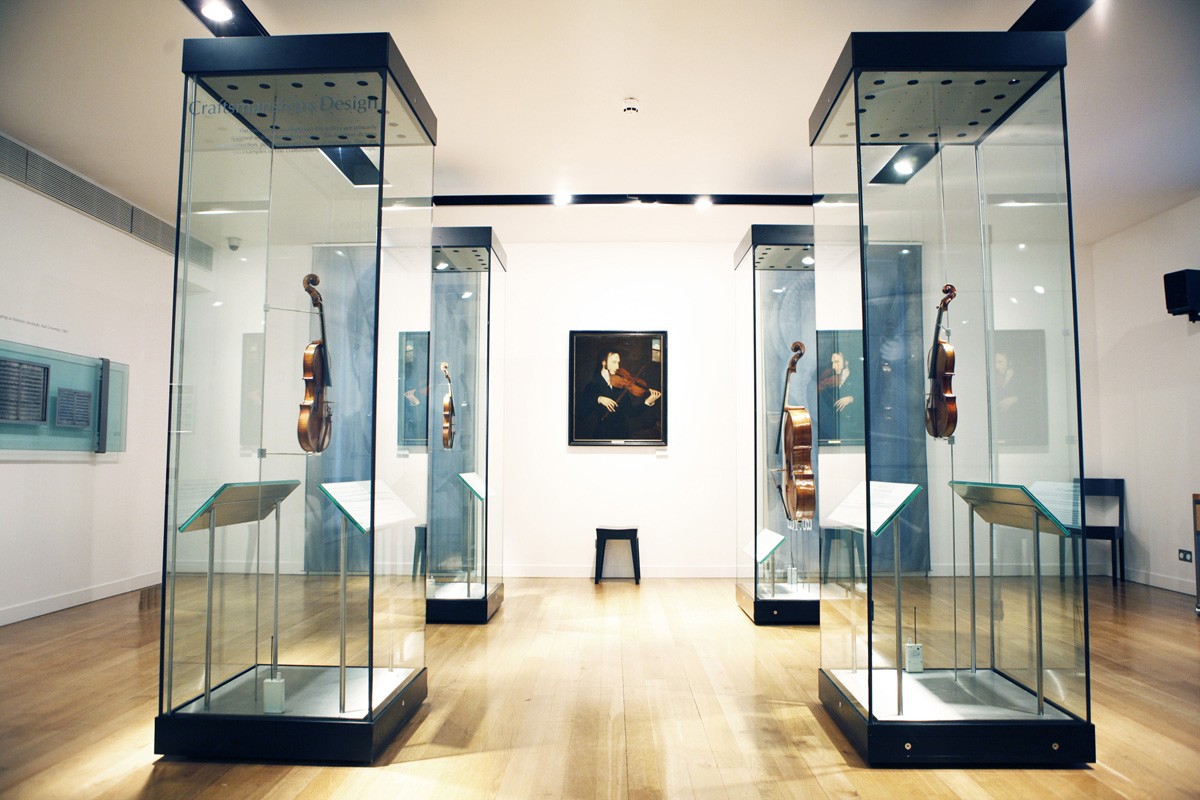
For the true connoisseur and collector, the museum offers a breathtaking journey through the evolution of musical mastery. Its centerpiece is an incomparable assemblage of stringed instruments, featuring legendary works crafted by the hands of Stradivari , Guarneri , and the Amati family. Each instrument serves as a silent witness to centuries of performance, imbued with the very spirit of the masters who once played them. Beyond these iconic relics, the collection unveils the intimate creative processes of history's greatest minds through original manuscripts from pivotal composers like Handel and Purcell. These handwritten notes and sketches provide an evocative glimpse into the evolution of musical thought, while performing materials belonging to celebrated artists reveal the practical, tactile realities of bringing music to life on the world’s most prestigious stages.
What truly distinguishes the Royal Academy of Music is its singular duality—a harmonious convergence of pedagogical rigor and profound artistic appreciation. It is a rare environment where students benefit from direct, unparalleled access to the very instruments and manuscripts that have defined musical excellence for centuries. This ethos of excellence extends far beyond the campus through initiatives like the Open Academy, ensuring that the transformative power of music reaches diverse communities. Through retrospective exhibitions celebrating giants such as Schubert and Schumann , and explorations of genres ranging from classical to jazz, the Academy remains a steadfast beacon of creativity. It is an invaluable destination for researchers, musicians, and anyone captivated by the enduring beauty of sound and the preservation of human genius.