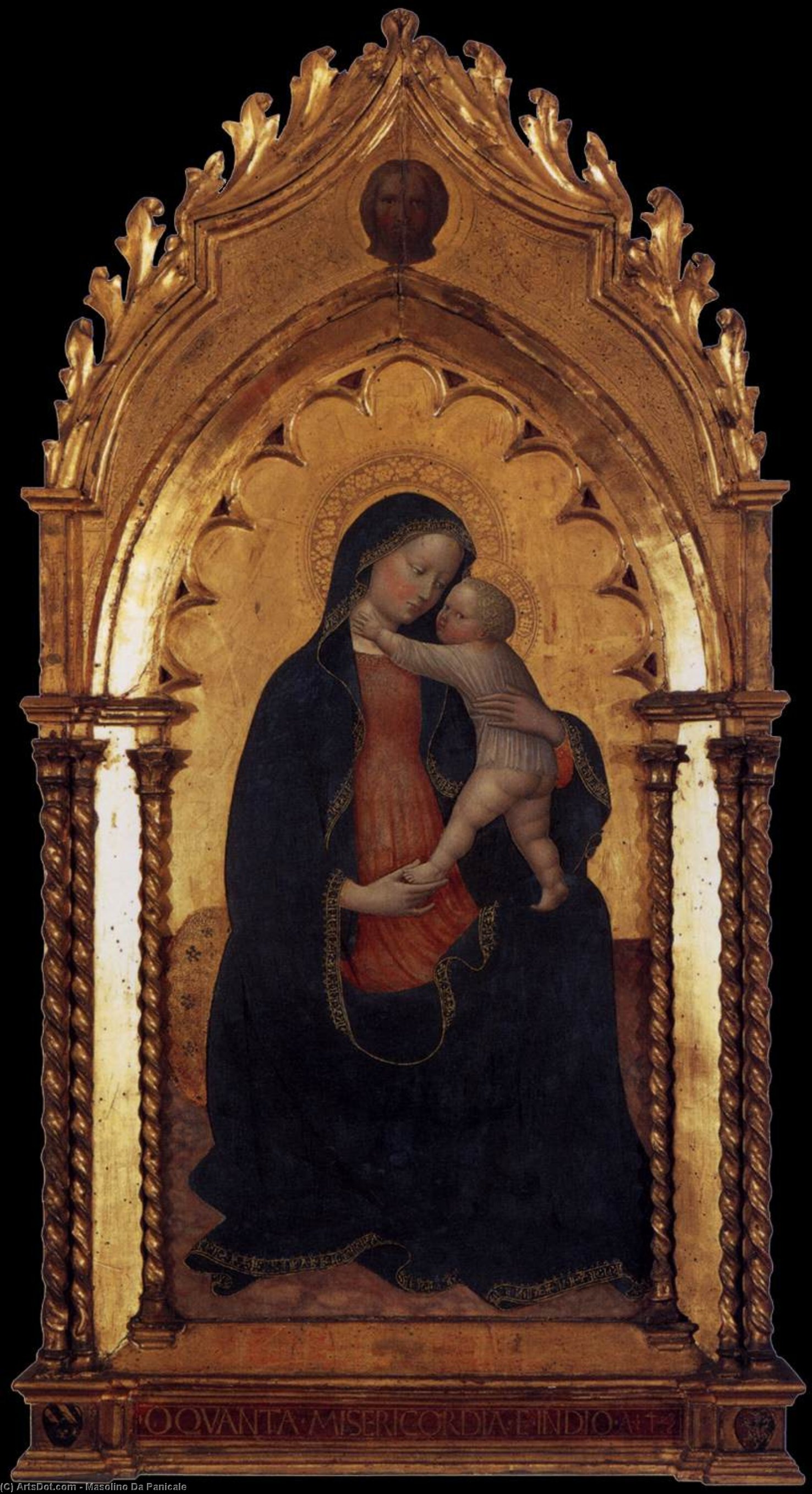
Masolino da Panicale (1383-1447): Florentine Renaissance painter known for lyrical frescoes & early oil painting techniques. Collaborated with Masaccio on iconic works like the Brancacci Chapel.
Відкрийте для себе Kunsthalle Bremen! Пориньте у 7 століть європейського мистецтва від Дюрера до Моне, сучасні виставки та унікальну архітектуру. Дослідіть світ шедеврів у серці Бремену!
A Testament to Faith and Delicate Beauty: Masolino’s Madonna and Child
Masolino da Panicale's “Madonna and Child,” painted in 1423, stands as a cornerstone of Florentine Renaissance art—a testament to the burgeoning humanist spirit while retaining the solemn grandeur characteristic of its Gothic predecessors. This captivating fresco resides within the Uffizi Galleries, offering visitors an unparalleled glimpse into the artistic sensibilities of a pivotal moment in European history. Its enduring appeal lies not only in its visual splendor but also in the profound symbolism embedded within its composition and execution.
The Fresco Technique: Pioneering Innovation
Masolino’s mastery is evident in his groundbreaking approach to fresco painting—a technique that had largely stagnated since Giotto’s time. Unlike previous artists who relied on tempera pigments, Masolino skillfully employed oil paint alongside tempera, a daring innovation that allowed for greater luminosity and tonal subtlety. This dual medium created an astonishing depth of color and texture, surpassing the limitations of traditional fresco methods. The careful layering of pigment—tempera providing stability while oil enhancing vibrancy—demonstrates Masolino’s meticulous attention to detail and his willingness to push artistic boundaries.
A Symbol of Maternal Devotion and Divine Grace
The Madonna and Child motif itself carries immense symbolic weight within Christian iconography. Mary embodies humility, compassion, and purity – virtues revered throughout the medieval period and reaffirmed by Renaissance humanists. Her serene gaze directs our attention towards Jesus Christ, representing divine grace and redemption. The positioning of Mary and Jesus—Mary cradling her son with tender care—underscores the sanctity of motherhood and reinforces the belief in God’s protective embrace. This depiction aligns perfectly with the humanist ideals of beauty and harmony prevalent during Masolino's time.
Historical Context: Florence at the Dawn of Renaissance
Painted during a period of significant intellectual and artistic transformation, “Madonna and Child” reflects the burgeoning influence of classical antiquity on Florentine art. The rediscovery of Greek sculptures and texts fueled a renewed interest in human form and proportion—principles meticulously observed by Masolino. Furthermore, the fresco’s serene atmosphere contrasts sharply with the turbulent political landscape of Florence at the time, highlighting the desire for spiritual solace amidst societal upheaval. Its creation coincided with the patronage of Lorenzo Medici, whose humanist vision championed artistic excellence and intellectual curiosity.
Emotional Resonance: An Image That Speaks Across Centuries
More than just a beautifully rendered depiction of biblical figures, “Madonna and Child” evokes a powerful emotional response in viewers. The delicate colors—particularly the luminous blues and greens—create an ethereal quality that transcends time. Masolino’s masterful use of chiaroscuro—the interplay between light and shadow—adds dramatic depth to the scene, emphasizing Mary's maternal tenderness and Jesus’ divine serenity. This artwork continues to inspire awe and contemplation, reminding us of the enduring power of art to convey universal themes of faith, love, and compassion.