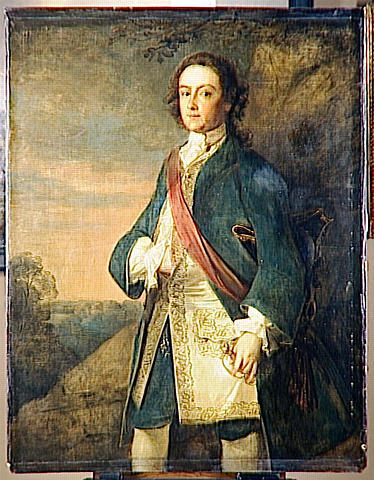
This stunning portrait by Philippe Mercier depicts an English officer in opulent attire, showcasing meticulous realism and subtle atmospheric perspective. Explore its symbolism and artistic heritage.
Philippe Mercier (1689-1760) was a French Rococo artist known for his elegant portraits of the British aristocracy, particularly Frederick, Prince of Wales and family. Explore his influence on 18th-century English art & charming scenes of domestic li
Explore the Louvre Museum in Paris! Home to iconic masterpieces like the Mona Lisa & Venus de Milo, journey through art history from ancient Egypt to Renaissance icons. Plan your visit today!
PORTRAIT D'UN OFFICIER ANGLAIS – A Window Into Rococo Elegance
Philippe Mercier’s “Portrait d’un Officier Anglais,” completed in 1740-1741 during the reign of Louis XV, stands as a quintessential example of Rococo art and its fascination with aristocratic grandeur. More than just a depiction of an individual, it embodies the spirit of the era—a celebration of refined taste, opulent ornamentation, and idealized beauty—captured with meticulous detail by Mercier’s masterful brushstrokes. The painting resides within the Galerie André Seligmann at the Louvre Museum, where it continues to captivate viewers with its serene composure and subtle artistry.
A Masterful Blend of Technique and Style
Mercier employed a technique characteristic of his time: oil paint on canvas layered extensively to achieve remarkable depth and luminosity. He skillfully utilized hatching and blending to sculpt the officer’s form, conveying a palpable sense of volume and texture—particularly noticeable in the folds of his coat and waistcoat. The artist's attention to light is equally impressive; soft, diffused illumination casts delicate shadows that accentuate the contours of the figure and contribute to an atmosphere of dignified solemnity. This approach aligns perfectly with the stylistic conventions of Neoclassicism, which sought to temper Rococo’s exuberance with restraint and clarity—a deliberate contrast that underscores Mercier's artistic sophistication.
Symbolism Embedded in Detail
Beyond its technical prowess, “Portrait d’un Officier Anglais” is laden with symbolic significance. The officer wears a scarlet sash around his neck – a prominent emblem of rank and allegiance within the British military hierarchy – instantly conveying power and prestige. Furthermore, the subtle inclusion of lace and embroidery on the coat speaks to the prevailing obsession for decorative embellishment during the Rococo period. These elements aren’t merely ornamental; they represent broader cultural values—status, honor, and an idealized vision of masculine virtue. The hazy landscape backdrop serves as a visual counterpoint to the figure's solidity, suggesting distance and hinting at the complexities of aristocratic life beyond mere appearances.
Historical Context: The British Aristocracy Under Louis XV
The painting’s creation coincided with a period of considerable political tension between Britain and France. Frederick, Prince of Wales—the subject of this portrait—was a pivotal figure in shaping British policy during Louis XV's reign, navigating the challenges posed by the Seven Years’ War. Mercier’s depiction captures not only Frederick’s physical likeness but also his projected persona as a noble warrior embodying courage and duty – ideals deeply ingrained within the aristocratic ethos of the time. The painting reflects the broader cultural preoccupation with portraying individuals as embodiments of moral excellence and social status, mirroring the aspirations of the British monarchy during Louis XV's rule.
Emotional Resonance: Tranquility Amidst Power
Despite its formal composition and meticulous detail, “Portrait d’un Officier Anglais” exudes a remarkable tranquility—a testament to Mercier’s ability to convey emotion through visual cues. The officer’s gaze is calm and contemplative, projecting an aura of self-assuredness tempered by dignity. This serene demeanor contrasts sharply with the turbulent political landscape of the era, suggesting that beauty and refinement could offer solace amidst uncertainty. Ultimately, Mercier's masterpiece invites viewers to contemplate not just a portrait but also a reflection on human character—a timeless exploration of nobility, composure, and the enduring allure of classical ideals.