 Preview
 Send
Send Share
Share
 Details

 Download
 Similars
 X-Ray
X-Ray Diaporama
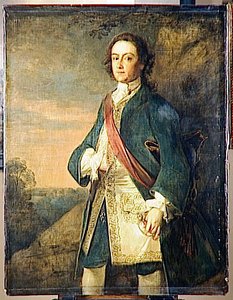
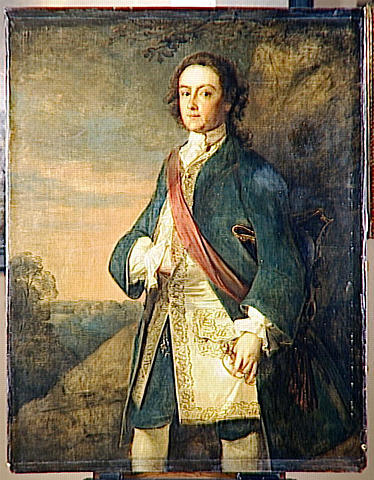
PORTRAIT D'UN OFFICIER ANGLAIS


 Read More
Hand Made Oil Reproduction
Hand-painted oil on canvas in your size and frame, made to order by our artists. ( Buy Print Buy Image)




P118B $10

P118H $10

P118W $10

P438Z $10

P508JH $12

P508YH $12

P805H $10

P805Z $10

P919BZ $10

P919G $10

P919XJ $10

P959ZH $10

P968JZ $12

W106C $8

W218G $10

W218JH $8

W218Y $10

W307PJ $10

W316G $10

W316PJ $8

W316Y $10

W398PJ $8

W4111J $10

W500HY $15

W500JH $15

W692G $12

W849H $8

W940BG $15

W953PJ $8




Pick from our preset sizes that match the artwork's original proportions.

You may enter your own dimensions to fit a specific frame or space. If your selected size does not match the original image's proportions, we will either crop the artwork or extend the painting with additional hand-painted elements. A digital mockup will be sent for your approval before production begins.
Please note that the on-screen preview does not reflect the actual cropping or extension. Only the mockup will accurately show the final composition.
While custom sizes are available, we recommend selecting a dimension from the predefined list to preserve the original proportions.
After order, ArtsDot.com team will email client for instructions and provide a mockup preview
Worldwide Delivery () in 3/4 weeks instead of standard 5 weeks. (17 August). No compromise on quality.

Free Worldwide Express Shipping

High-Quality Linen Canvas

Full Shipping Insurance

Customs Tax Refund Guarantee

True Color Matching Guarantee

60-Day Return Policy (Defects Only)

100% Money-Back Guarantee

Bulk Discount Offer
 Glass option is only available in size under 110 CM

PORTRAIT D'UN OFFICIER ANGLAIS
Reproduction Medium
Reproduction Size
-


Total Price
$ 263
Artwork Description
PORTRAIT D'UN OFFICIER ANGLAIS – A Window Into Rococo Elegance
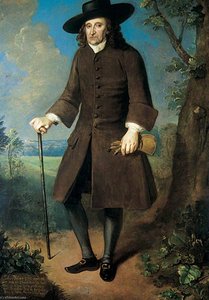
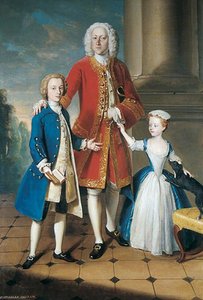
Philippe Mercier’s “Portrait d’un Officier Anglais,” completed in 1740-1741 during the reign of Louis XV, stands as a quintessential example of Rococo art and its fascination with aristocratic grandeur. More than just a depiction of an individual, it embodies the spirit of the era—a celebration of refined taste, opulent ornamentation, and idealized beauty—captured with meticulous detail by Mercier’s masterful brushstrokes. The painting resides within the Galerie André Seligmann at the Louvre Museum, where it continues to captivate viewers with its serene composure and subtle artistry.A Masterful Blend of Technique and Style
Mercier employed a technique characteristic of his time: oil paint on canvas layered extensively to achieve remarkable depth and luminosity. He skillfully utilized hatching and blending to sculpt the officer’s form, conveying a palpable sense of volume and texture—particularly noticeable in the folds of his coat and waistcoat. The artist's attention to light is equally impressive; soft, diffused illumination casts delicate shadows that accentuate the contours of the figure and contribute to an atmosphere of dignified solemnity. This approach aligns perfectly with the stylistic conventions of Neoclassicism, which sought to temper Rococo’s exuberance with restraint and clarity—a deliberate contrast that underscores Mercier's artistic sophistication.Symbolism Embedded in Detail
Beyond its technical prowess, “Portrait d’un Officier Anglais” is laden with symbolic significance. The officer wears a scarlet sash around his neck – a prominent emblem of rank and allegiance within the British military hierarchy – instantly conveying power and prestige. Furthermore, the subtle inclusion of lace and embroidery on the coat speaks to the prevailing obsession for decorative embellishment during the Rococo period. These elements aren’t merely ornamental; they represent broader cultural values—status, honor, and an idealized vision of masculine virtue. The hazy landscape backdrop serves as a visual counterpoint to the figure's solidity, suggesting distance and hinting at the complexities of aristocratic life beyond mere appearances.Historical Context: The British Aristocracy Under Louis XV
The painting’s creation coincided with a period of considerable political tension between Britain and France. Frederick, Prince of Wales—the subject of this portrait—was a pivotal figure in shaping British policy during Louis XV's reign, navigating the challenges posed by the Seven Years’ War. Mercier’s depiction captures not only Frederick’s physical likeness but also his projected persona as a noble warrior embodying courage and duty – ideals deeply ingrained within the aristocratic ethos of the time. The painting reflects the broader cultural preoccupation with portraying individuals as embodiments of moral excellence and social status, mirroring the aspirations of the British monarchy during Louis XV's rule.Emotional Resonance: Tranquility Amidst Power
Despite its formal composition and meticulous detail, “Portrait d’un Officier Anglais” exudes a remarkable tranquility—a testament to Mercier’s ability to convey emotion through visual cues. The officer’s gaze is calm and contemplative, projecting an aura of self-assuredness tempered by dignity. This serene demeanor contrasts sharply with the turbulent political landscape of the era, suggesting that beauty and refinement could offer solace amidst uncertainty. Ultimately, Mercier's masterpiece invites viewers to contemplate not just a portrait but also a reflection on human character—a timeless exploration of nobility, composure, and the enduring allure of classical ideals.Related Artworks
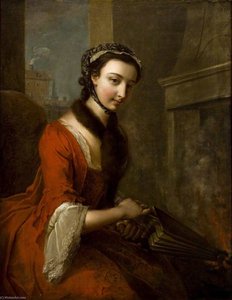
Artist Biography
A Brushstroke of Elegance: The Life and Art of Philippe Mercier
Philippe Mercier, a name perhaps less instantly recognizable than some of his Rococo contemporaries, nevertheless occupies a significant niche in the annals of 18th-century portraiture. Born in Berlin in 1689, Mercier’s artistic journey was one that spanned continents and courts, ultimately leaving an indelible mark on the visual culture of Britain. While details surrounding his early life remain somewhat elusive, it is known he received initial training within the French artistic milieu – a crucial foundation for the style he would later refine and popularize. His formative years were steeped in the prevailing aesthetic of grace, refinement, and aristocratic sensibility that characterized the Rococo movement. Mercier wasn’t merely a painter; he was a chronicler of an era, capturing not just likenesses but also the very spirit of a privileged society on the cusp of change.From Dresden to London: A Rising Star
Mercier's career began to flourish in Dresden, where he served as a court painter. However, it was his relocation to London around 1740 that truly cemented his reputation. He quickly established himself as a sought-after portraitist, attracting the attention of Frederick, Prince of Wales – heir apparent to the British throne. This patronage proved pivotal. Mercier became *the* official artist for the Prince and his family, a position he held with distinction for over a decade. The sheer volume of work commissioned by the royal household speaks volumes about the trust and admiration they placed in his abilities. He wasn’t simply documenting faces; he was constructing an image of princely virtue and domestic harmony, carefully curated for public consumption. This period saw Mercier at the height of his powers, producing some of his most iconic works that defined the aesthetic of the British aristocracy during the mid-18th century.The Charm of Domesticity: Defining a Rococo Style
Mercier’s artistic style is quintessentially Rococo – characterized by its lightness, elegance, and playful use of color. However, he infused this with a distinctly English sensibility. Unlike the often-opulent and overtly theatrical depictions found in French court painting, Mercier favored scenes that were more intimate and relatable. His portraits frequently depict family groups engaged in everyday activities: playing music, sharing a meal, or simply enjoying each other’s company. These weren't grand statements of power; they were carefully constructed narratives of familial affection and refined leisure. The emphasis on domesticity, coupled with his masterful use of pastel shades and delicate brushwork, created an aesthetic that resonated deeply with the British public. He possessed a remarkable ability to capture not just physical resemblance but also the personality and emotional nuances of his sitters. His works exude a warmth and charm that continues to captivate viewers today.Influences and Legacy: A Bridge Between Cultures
Mercier’s artistic influences were diverse, drawing from both French and English traditions. He clearly absorbed the techniques of artists like François Boucher and Jean-Antoine Watteau – masters of Rococo elegance. However, he also demonstrated a keen understanding of English portraiture conventions, particularly the work of Anthony van Dyck and Godfrey Kneller. This synthesis of styles allowed him to create a unique aesthetic that appealed to both aristocratic patrons and a wider audience. His influence extended beyond portraiture, impacting the broader decorative arts of the period. The lightheartedness and elegance of his paintings found echoes in furniture design, textiles, and even garden landscaping. While his popularity waned somewhat after the death of Frederick, Prince of Wales in 1751, Mercier’s legacy endures as a key figure in shaping the visual identity of 18th-century Britain. He left behind a rich body of work that continues to offer valuable insights into the lives and values of the aristocracy during this fascinating period.Major Achievements & Historical Significance
- Establishing himself as the premier portraitist of Frederick, Prince of Wales: This patronage provided Mercier with unparalleled access to the British royal family and allowed him to create a lasting visual record of their lives.
- Popularizing a distinctly English Rococo style: He adapted French artistic conventions to suit British tastes, emphasizing domesticity and intimacy in his portraits.
- Capturing the spirit of an era: His paintings offer valuable insights into the social customs, values, and aspirations of the 18th-century aristocracy.
- Influencing broader decorative arts trends: The elegance and lightheartedness of his work found echoes in furniture design, textiles, and garden landscaping.
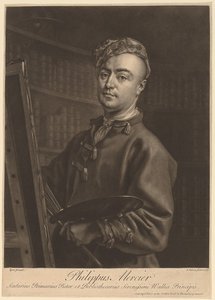
philippe mercier
1689 - 1760
Quick Facts
- Artistic Movement Or Style: Rococo
- Artists Or Movements Influenced By This Artist: ['18th-century English art']
- Date Of Birth: 1689
- Date Of Death: 1760
- Full Name: Philippe Mercier
- Nationality: French
- Notable Artworks:
- Frederick, Prince of Wales
- Family portraits
Related Articles

Rococo's Radiant Legacy: 10 Masterpieces for Your Home |
Indulge in the elegance of Rococo! Explore 10 masterpieces by Fragonard, Boucher & Watteau. Discover the stories behind these iconic paintings and bring timeless art to your home with museum-quality reproductions from .

The Rococo Aesthetic: Opulence, Rebellion & the Pursuit of Pleasure in 18th-Century Art
Explore the opulent world of Rococo art! Discover its origins, key artists like Watteau & Boucher, and lasting influence on design. Expert insights for collectors & enthusiasts.
The Allure of Elegance in Art: A Historical & Aesthetic Exploration of Refinement & Grace
Explore the exquisite world of Rococo art! Discover its history, masters (Watteau, Boucher & more), and defining elegance. Expert insights for collectors seeking museum-quality reproductions & custom portraits.
The Rococo Style: Aristocratic Leisure & the Pursuit of Delight in 18th-Century Art
Explore the opulent world of Rococo art! Discover Watteau, Boucher & Nattier's masterpieces. Expert insights for collectors seeking museum-quality reproductions and custom portraits at ArtsDot.
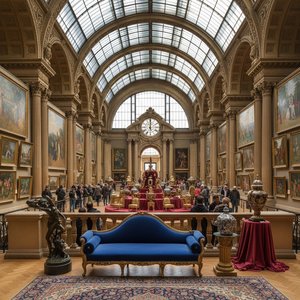
Musée d'Orsay Masterpieces: 25 Iconic Paintings & Art Decor Ideas
Journey through the Musée d'Orsay’s 25 most iconic artworks! Explore Impressionist & Post-Impressionist masterpieces by Monet, Van Gogh, Degas & more. Find museum-quality art reproductions and curated decor ideas to bring timeless beauty home. Discover all masterpieces on ArtsDot.com