The Rise of Rococo: From Versailles to Parisian Salons
Rococo, less commonly Roccoco ( rə-KOH-koh, US also ROH-kə-KOH; French: [ʁɔkɔko] or [ʁokoko] ), also known as Late Baroque, is an exceptionally ornamental and dramatic style of architecture, art, and decoration which combines asymmetry, scrolling cu...
The reign of Louis XIV, the Sun King, had cast a long shadow over France, its grandeur and formality defining an era. Yet, as his direct influence waned, a subtle but significant shift began to occur – a yearning for intimacy, playfulness, and personal expression that would blossom into the Rococo style. Initially emerging not as a rebellion against the Baroque, but rather as an evolution *within* it, Rococo found its earliest expressions within the opulent walls of Versailles itself. However, it was with the move back to Paris under Louis XV that the style truly took root, flourishing in the private salons and residences of the aristocracy. These spaces became havens from the rigid protocols of court life, places where conversation, music, and art were enjoyed for their own sake, fostering a demand for works that reflected this newfound lightness and grace.
The term “Rococo” itself derives from the French *rocaille*, referring to the shell-work and pebble decorations used in garden grottoes – motifs that embodied the style’s organic forms and playful asymmetry. This wasn't merely a decorative trend; it signaled a change in mindset, a move away from the imposing power of the state towards a celebration of individual sensibility and refined pleasure. The aristocracy, seeking to distinguish themselves from the formality of their predecessors, embraced this aesthetic as a means of expressing their personal tastes and cultivating an atmosphere of sophisticated leisure.
Defining Characteristics: Ornamentation, Curves & Pastel Palettes
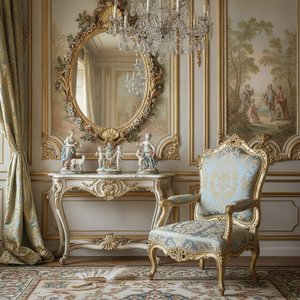
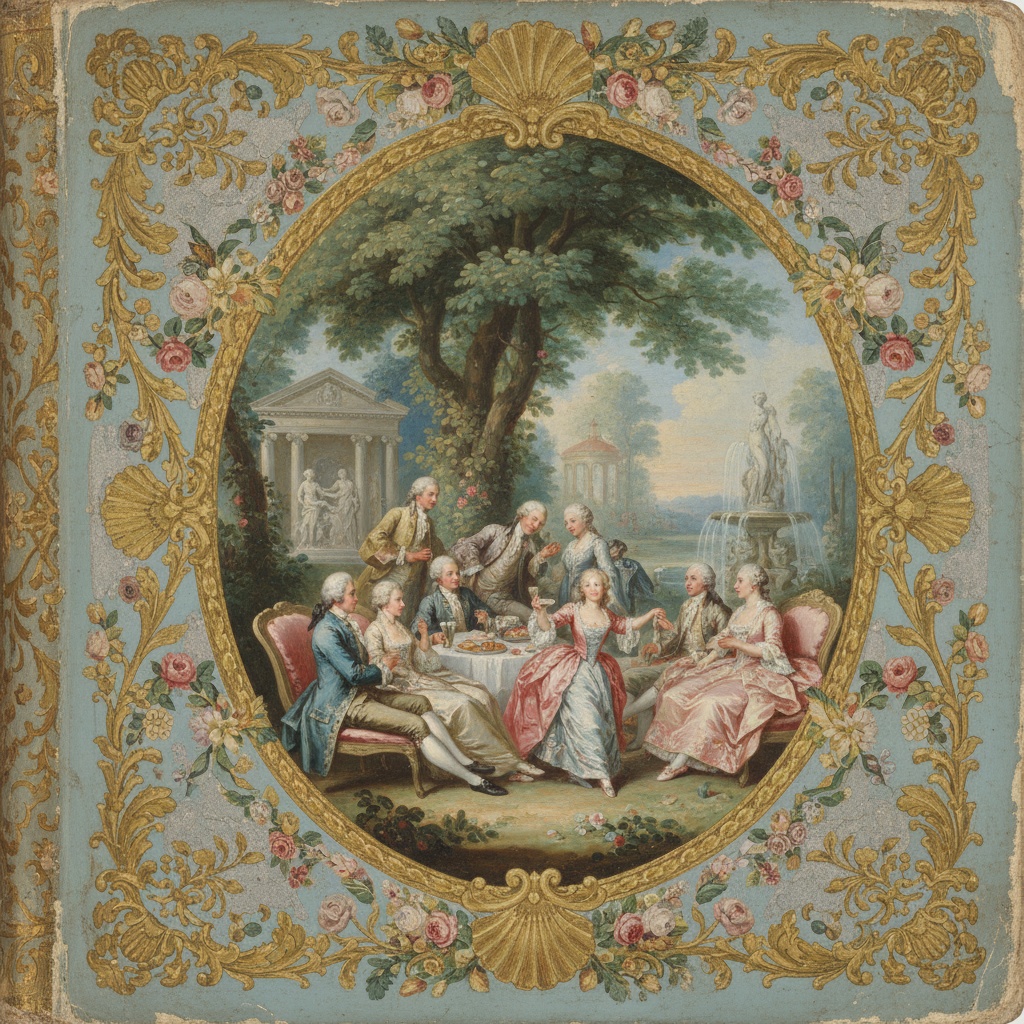
To describe Rococo is to evoke a sense of delicate abundance. The style is characterized by its exceptionally ornamental nature – a profusion of scrolling curves, gilded surfaces, sculpted molding, and *trompe-l'œil* frescoes designed to create an illusion of depth and movement. Asymmetry became a defining feature, rejecting the strict symmetry favored in earlier periods. This wasn’t haphazardness, however; it was a carefully orchestrated imbalance that added to the sense of dynamism and surprise.
Color played a crucial role, with white and pastel shades dominating the palette – soft blues, pinks, greens, and golds creating an ethereal atmosphere. Gilding was used liberally, not merely as ornamentation but as a means of enhancing light and creating a shimmering effect. The overall impression was one of airy elegance, a deliberate attempt to evoke feelings of joy, romance, and tranquility. The integration of art with architecture was seamless; paintings weren’t simply hung on walls, they were incorporated into the very fabric of the space, blurring the boundaries between disciplines.
Masters of the Rococo: Watteau, Boucher & Nattier
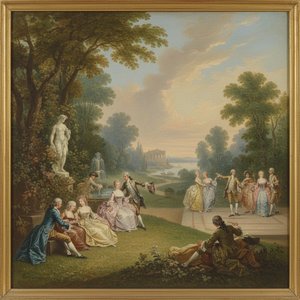
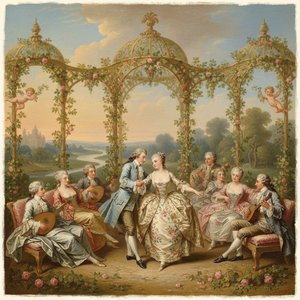
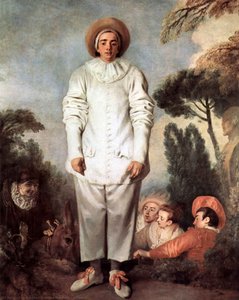
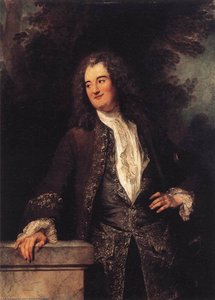
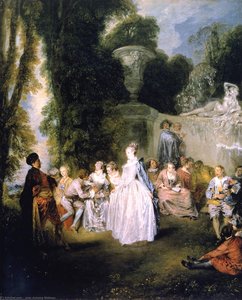
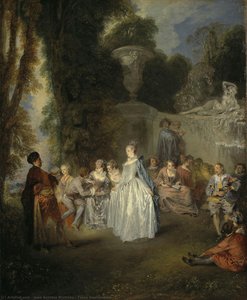
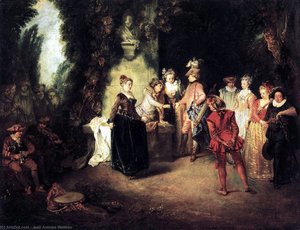
Several artists came to define the Rococo aesthetic, each bringing their unique talents and sensibilities to the movement. Jean-Antoine Watteau, often considered the father of Rococo, revolutionized portraiture with his *fête galante* paintings – scenes depicting aristocratic couples engaged in leisurely pursuits amidst idyllic landscapes. His works, such as “Sitting Couple” (1716), capture a sense of subtle emotion and refined grace that became hallmarks of the style. Watteau’s ability to convey both intimacy and melancholy set him apart, establishing a new standard for elegance and sophistication.
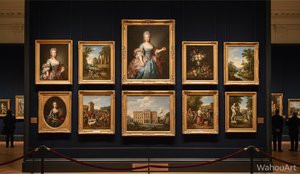
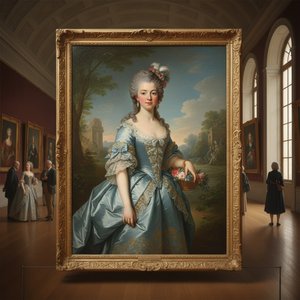
François Boucher, appointed as Louis XV's official painter, epitomized the Rococo spirit with his mythological scenes and portraits of Madame de Pompadour. His paintings are characterized by their sensuality, playful compositions, and exquisite use of color. Boucher’s work wasn’t simply about depicting beauty; it was about creating an idealized world of pleasure and fantasy. Jean-Marc Nattier, another prominent portraitist, specialized in capturing the elegance and charm of aristocratic women, often portraying them as goddesses or allegorical figures. His portraits were highly sought after by the French nobility, solidifying his reputation as a master of Rococo style.
Themes and Subjects: Love, Leisure & Mythological Tales
The themes explored in Rococo art reflected the values and interests of its aristocratic patrons. Love, in all its forms – romantic love, playful flirtation, and idealized passion – was a central subject. *Fête galante* paintings celebrated courtship rituals and leisurely encounters, while mythological scenes often served as allegories for romantic relationships. Leisure activities, such as music, dancing, and picnics, were also frequently depicted, reflecting the aristocracy’s pursuit of pleasure and refinement.
Mythological tales provided a rich source of inspiration, allowing artists to explore themes of love, beauty, and desire in a veiled and sophisticated manner. Boucher's paintings, for example, often drew upon classical mythology, reimagining ancient stories with a Rococo sensibility. These works weren’t simply about retelling myths; they were about creating an idealized world where beauty reigned supreme and pleasure was the ultimate goal.
Rococo Interiors: Hôtel de Rohan and Beyond
The true expression of Rococo can be found in the interiors of Parisian residences, such as the Hôtel de Soubise. This magnificent palace showcases the style’s defining characteristics – ornate stucco reliefs, gilded surfaces, sculpted molding, and *trompe-l'œil* frescoes. The Salon de Princesse, for example, is a masterpiece of Rococo design, with its delicate curves, pastel colors, and whimsical motifs creating an atmosphere of airy elegance.
Beyond the Hôtel de Soubise, Rococo interiors were characterized by their intimate scale and luxurious furnishings. Silk-draped walls, intricately carved furniture, and porcelain figurines created a sense of refined comfort and pleasure. These spaces weren’t simply about displaying wealth; they were about creating an environment that fostered conversation, music, and artistic appreciation.
The Legacy of Rococo: Influence on Art and Design
While the Rococo style eventually fell out of favor with the rise of Neoclassicism, its influence continues to be felt today. The emphasis on ornamentation, curves, and pastel palettes can be seen in various art movements and design styles, from Victorian interiors to contemporary fashion. The spirit of playful elegance and refined pleasure that defined Rococo remains a source of inspiration for artists and designers alike.
At ArtsDot, we celebrate the enduring beauty of Rococo art by offering meticulously crafted reproductions of masterpieces by Watteau, Boucher, Nattier, and other leading artists. Whether you’re seeking to add a touch of elegance to your home or simply appreciate the artistry of this remarkable period, our collection offers something for every discerning collector. Explore our range of custom reproduction options, including photo-to-painting services and expert art consultation, and discover the joy of owning a piece of Rococo history.