The Rise of Rococo: A Courtly Response
18th-century French art was dominated by the Baroque, Rococo and neoclassical movements. == History == In France, the death of Louis XIV in September 1715 led to a period of licentious freedom commonly called the Régence. The heir to Louis XIV, hi...
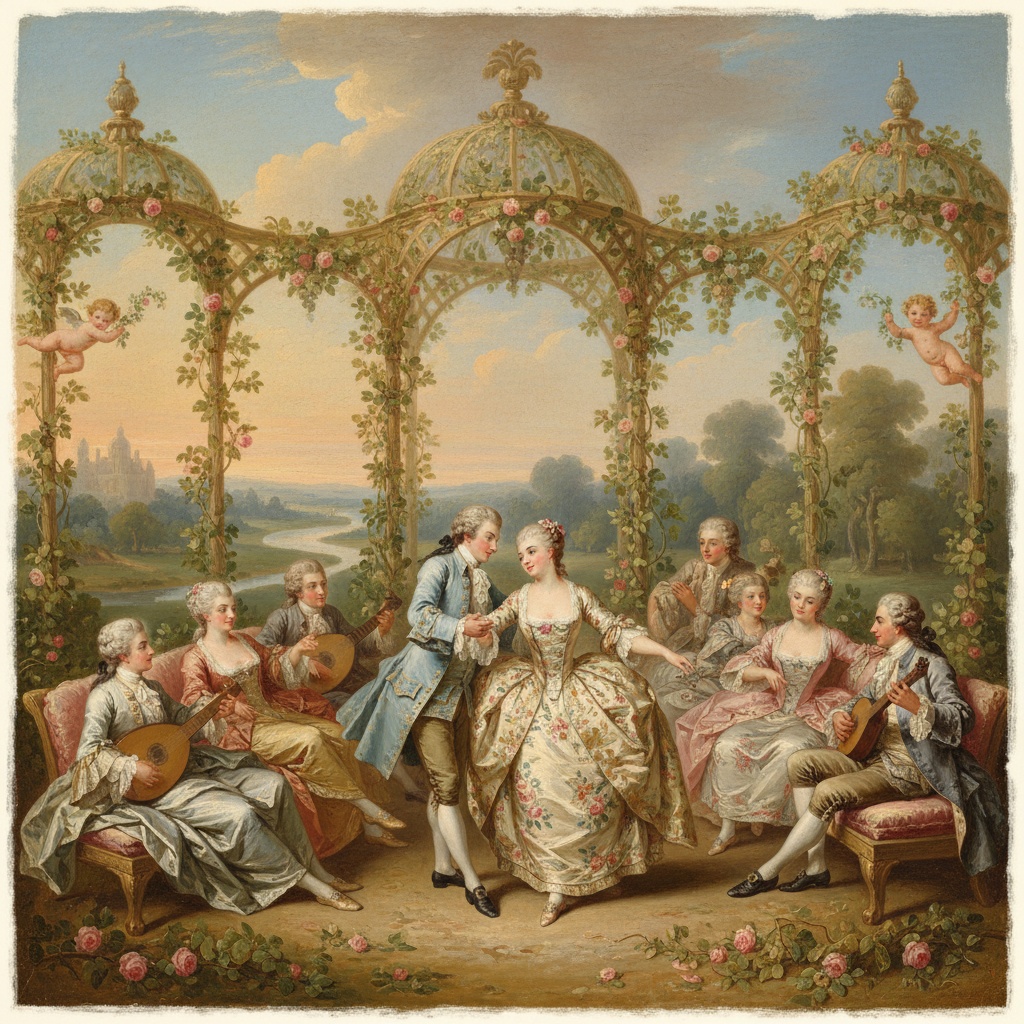
The early 18th century witnessed a subtle yet profound shift in artistic sensibilities, a move away from the grandeur and dramatic intensity of the Baroque towards a more intimate, playful aesthetic known as Rococo. Born within the opulent salons and aristocratic circles of France, Rococo wasn’t merely a stylistic change; it was an expression of a new social order—one that favored grace, elegance, and lightheartedness over the weighty pronouncements of power. Following the death of Louis XIV in 1715, the French court sought respite from the formality and strictures of his reign. This desire for pleasure and intimacy found its visual embodiment in paintings characterized by delicate brushwork, pastel palettes, and themes celebrating love, leisure, and idyllic landscapes. It was within this fertile environment that Jean-Baptiste Pater would flourish, becoming a defining voice of the Rococo movement.
Watteau's Pupil, Pater’s Voice: Early Influences & Artistic Development
Jean-Baptiste Pater (December 29, 1695 – July 25, 1736) was a French rococo painter. Pater was born in Valenciennes, French Hainaut. He was the son of sculptor Antoine Pater and studied under him before becoming a student of painter Jean-Baptiste Gui...
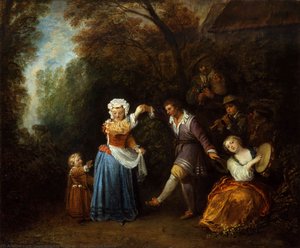
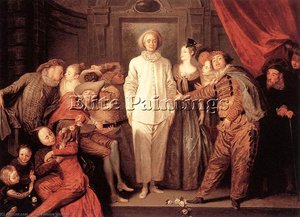
Born in Valenciennes in 1695, Jean-Baptiste Pater’s artistic journey began under the tutelage of his sculptor father, Antoine Pater. However, it was his brief but formative apprenticeship with Antoine Watteau in Paris that truly shaped his direction. Though their relationship was reportedly fraught with tension – Watteau, notoriously protective of his techniques, wasn't inclined to share them freely – the influence is undeniable. Pater absorbed Watteau’s mastery of *fête galante* scenes, those charming depictions of aristocratic gatherings in idyllic parklands. Yet, Pater didn’t simply imitate; he quickly developed a distinctive style all his own. After a period returning to Valenciennes, Pater reconciled with Watteau shortly before the latter's untimely death in 1721, benefiting from a final month of instruction that he later claimed provided the foundation for his entire artistic career. His acceptance into the Académie Royale de Peinture et de Sculpture in 1728, with his presentation of *La Rejouissance des Soldats*, marked a significant milestone, though even this work echoed Watteau’s influence.
Fête Galante Masterpieces: Capturing Aristocratic Leisure
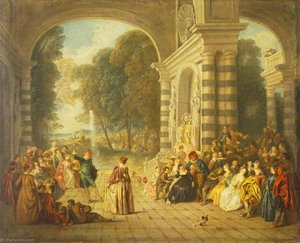
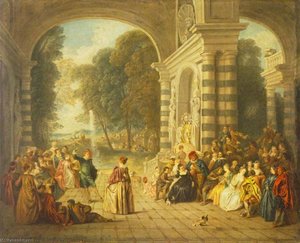 Les Plaisirs du Bal
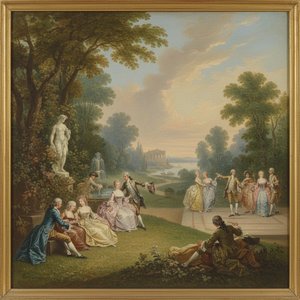
Discover "Les Plaisirs du Bal" by Jean-Baptiste Pater (1736). A vibrant 18th-century oil painting of a lively outdoor gathering featuring a fountain & dog. French Rococo art, 55x64cm.
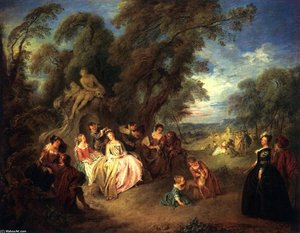
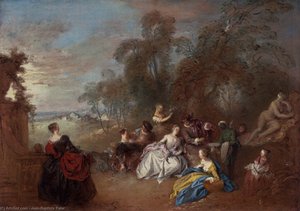
Pater excelled at capturing the essence of aristocratic life – not in grand historical narratives or imposing portraits of power, but in intimate scenes of courtship and recreation. Paintings like “The Gift of the Fishermen” (1720) exemplify this perfectly. The composition is a delicate dance of figures amidst a lush landscape, shimmering with light and color. Elegant couples exchange glances, playful gestures hint at burgeoning romances, and the overall atmosphere exudes an air of refined pleasure. Similarly, “Les Plaisirs du Bal” (1736), depicts a lively outdoor gathering complete with a fountain and a charming canine companion, showcasing Pater’s ability to imbue everyday moments with grace and sophistication. These weren't mere depictions of social events; they were idealized visions of a world devoted to beauty and enjoyment. The subtle symbolism woven into these scenes – the carefully chosen props, the suggestive poses – added layers of intrigue and meaning for discerning viewers.
Beyond Pastoral Scenes: Portraits and the Commissioned Life
While Pater is best known for his *fête galante* paintings, he also received significant commissions for portraits, most notably from Frederick the Great of Prussia. These weren’t conventional regal depictions; instead, they showcased the king in exotic “Turquerie” settings – scenes inspired by Ottoman culture and fashion. “Le Sultan au Harem” and “Le Sultan au Jardin” reveal a playful side to the Prussian monarch, presented not as a stern ruler but as a sophisticated connoisseur of art and pleasure. This willingness to embrace unconventional subject matter demonstrates Pater’s versatility and his ability to cater to the specific tastes of his patrons. Beyond Frederick the Great, Pater also painted portraits of other members of the aristocracy, further solidifying his reputation as a sought-after artist capable of capturing both likeness and character.
Shimmering Lines & Delicate Hues: Pater’s Distinctive Style
What truly sets Pater apart is his unique artistic technique. While he adopted the Rococo pastel palette – soft pinks, blues, and greens that evoke a sense of lightness and airiness – it was his use of shimmering lines that became his signature. Unlike the bolder brushstrokes of some of his contemporaries, Pater employed delicate, feathery strokes to create a sense of movement and fluidity. This technique is particularly evident in “Mme. de Bouvillon Tempts Fate by Asking Ragotin to Search for a Flea,” where the opulent fabrics and intricate details seem to almost vibrate with life. The dynamic composition, rich symbolism, and meticulous attention to detail further enhance the painting’s allure. This mastery of line and color created an ethereal quality in his work, contributing to the overall sense of elegance and refinement.
A Brief but Brilliant Career: Legacy and Lasting Influence
Jean-Baptiste Pater’s career was tragically cut short by his death in 1736 at the young age of forty-one. Despite his relatively brief life, he left an indelible mark on the Rococo movement. His elegant *fête galante* scenes, shimmering portraits, and distinctive style captivated the aristocracy and influenced generations of artists to come. While often overshadowed by his mentor, Antoine Watteau, Pater’s unique contribution – a delicate touch and mastery of line – cemented his place as a key figure in 18th-century French art. Today, his works are celebrated for their beauty, grace, and ability to transport viewers to a world of refined pleasure and idyllic charm. Discover the timeless appeal of Jean-Baptiste Pater’s masterpieces with ArtsDot.com, where high-quality reproductions allow you to experience the elegance of Rococo in your own home.