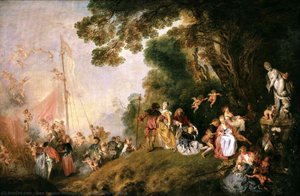
Introduction: The Enigmatic Charm of Jean-Antoine Watteau
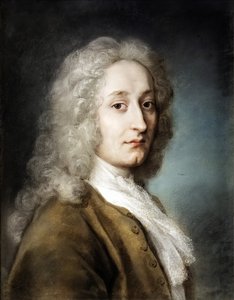 Jean-Antoine Watteau
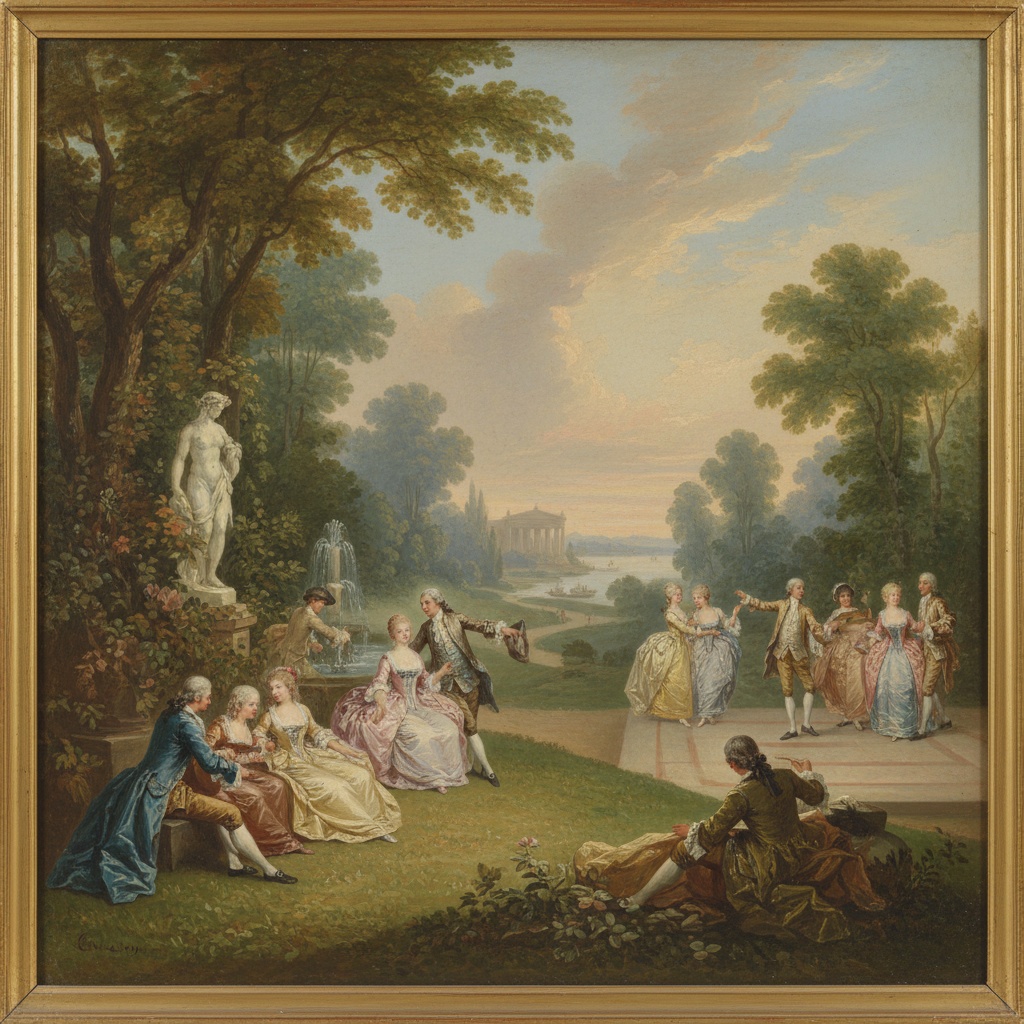
Discover Jean-Antoine Watteau (1684-1721), the French Rococo master! Explore his idyllic 'fêtes galantes,' theatrical scenes, & influence on 18th-century art. View masterpieces like 'The Country Dance' & learn about his legacy.
Jean-Antoine Watteau (1684–1721) remains a figure shrouded in a delicate mystique, an artist whose brief career nonetheless revolutionized French painting and birthed a genre that continues to captivate. He wasn’t merely depicting scenes; he was crafting atmospheres – fleeting moments of aristocratic leisure, imbued with a poignant sense of melancholy and desire. Unlike the grand historical narratives favored by his contemporaries, Watteau turned inward, focusing on intimacy, courtship, and the subtle language of emotion. His paintings aren't simply *about* love; they evoke its very essence: the anticipation, the longing, the bittersweet awareness of its transience. This focus, initially met with some confusion by the established art academies, ultimately defined his unique contribution to the Rococo movement and secured his place as a pivotal figure in 18th-century art.
The Birth of the Fête Galante: A New Genre Emerges
Fête galante (French pronunciation: [fɛːt ɡalɑ̃t]) (courtship party) is a category of painting specially created by the French Academy in 1717 to describe Antoine Watteau's (1684–1721) variations on the theme of the fête champêtre, which featured fig...
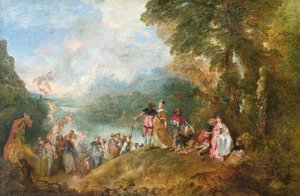
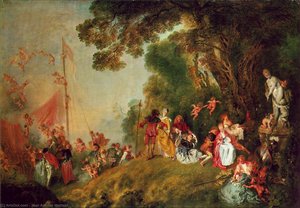
In 1717, Watteau sought acceptance into the prestigious Académie Royale de Peinture et de Sculpture. However, his subject matter – scenes of elegantly dressed figures enjoying idyllic outdoor gatherings – didn’t neatly fit within any existing category. The Academy, rather than reject his innovative work, ingeniously created a new genre: *fête galante* (courtship party). This decision wasn't merely administrative; it acknowledged the emergence of something entirely novel in Watteau’s art. Prior to this, paintings depicting such scenes were often considered minor works, lacking the historical or mythological weight deemed worthy of serious artistic attention. Watteau elevated these moments – stolen glances, playful exchanges, and gentle pursuits – into a realm of poetic significance. His reception piece, The Embarkation for Cythera, became the defining example of this new style, showcasing his mastery of color, composition, and emotional nuance. It wasn’t simply a depiction of lovers setting sail; it was an allegory of love itself, shrouded in ambiguity and longing.
Decoding the Symbolism: Love, Leisure & Aristocratic Life in Watteau’s Paintings
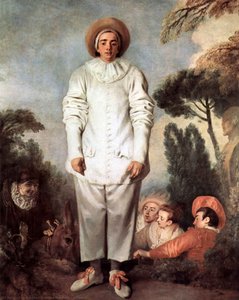
Watteau's paintings are rich with symbolism, often subtle and layered. The lush landscapes aren’t merely backdrops; they represent idealized realms of pleasure and escape. Gardens, for instance, frequently allude to the mythical Garden of Love, while statues of Venus or Cupid hint at the presence of amorous deities. The figures themselves, typically members of the aristocracy, are not portrayed as heroic individuals but rather as participants in a refined game of courtship. Their gestures, expressions, and clothing convey a complex interplay of desire, restraint, and social convention. Italian Comedians, for example, reveals Watteau’s fascination with theatricality – the characters often adopt poses and attitudes reminiscent of *commedia dell'arte* performers, suggesting that even love is a form of performance. The presence of musical instruments further enhances this sense of playful artifice; music was integral to aristocratic life and served as a language of courtship and seduction. Even seemingly innocuous details – the arrangement of flowers, the choice of fabrics – contribute to the overall symbolic meaning.
Watteau's Technique and Influences: From Flemish Masters to Parisian Theaters
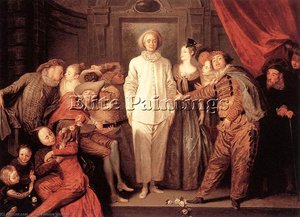 Italian Comedians
[Jean Antoine Watteau](https://www.artic.edu/artists/37236)
Watteau’s distinctive style wasn’t born in isolation. He drew inspiration from a diverse range of sources, blending elements of Flemish painting with the vibrancy of Venetian art and the dynamism of Parisian theater. He deeply admired the works of Peter Paul Rubens, particularly his ability to depict flesh tones and create dynamic compositions. From Titian and Veronese, he learned to master color and evoke atmosphere. However, Watteau wasn’t simply imitating these masters; he synthesized their techniques into something uniquely his own. His brushwork is characterized by a delicate lightness and fluidity, creating a sense of shimmering movement. He employed a technique known as *esquisse* – preliminary sketches that were often highly finished works in themselves – allowing him to explore different compositions and color palettes before committing to the final painting. His time spent designing sets for Parisian theaters also profoundly influenced his art; he understood how to create illusions of space, manipulate light, and capture the fleeting emotions of performance.
Beyond the 'Fêtes Galantes': Exploring Watteau's Diverse Oeuvre
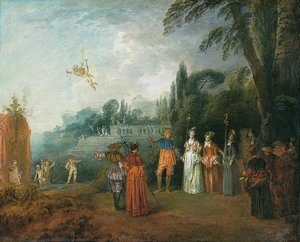
While Watteau is best known for his *fête galante* paintings, his artistic output was remarkably diverse. He also produced a series of moralizing allegories, theatrical scenes, and portraits. Paintings like The Champs-Élysées, though still imbued with the Rococo spirit, offer a glimpse into everyday life in Parisian society. His later works reveal a growing sense of introspection and melancholy, reflecting his declining health. These paintings often feature solitary figures or small groups engaged in quiet contemplation, hinting at a deeper emotional complexity. The untitled (5896) painting showcases Watteau’s ability to capture the nuances of human interaction within a lavish Baroque setting, demonstrating his skill with dynamic composition and symbolic details. It's important to remember that the *fête galante* represents only one facet of his artistic genius; exploring his broader oeuvre reveals a more nuanced and multifaceted artist.
The Lasting Legacy of Watteau: Impact on Rococo & Subsequent Artists
Jean-Antoine Watteau’s influence on the development of Rococo art was profound. He not only defined a new genre but also established a visual language that would be emulated by generations of artists. François Boucher and Jean-Honoré Fragonard, two of the most prominent Rococo painters, were directly inspired by his work, adopting his delicate brushwork, pastel colors, and themes of love and leisure. His emphasis on intimacy and emotional nuance also paved the way for later Romantic artists who sought to explore the subjective experience of feeling. Watteau’s paintings continue to resonate with audiences today because they capture something universal about the human condition – our longing for connection, our appreciation for beauty, and our awareness of life's fleeting moments. At ArtsDot.com, we are proud to offer high-quality reproductions of Watteau’s masterpieces, allowing you to experience the enigmatic charm of this remarkable artist in your own home.