The Rococo Genesis: From Baroque Grandeur to Intimate Charm
 Bridging Centuries: Artistic Evolution from Baroque to Modernism for the Discerning Collector
Explore the evolution of art from Baroque to Modernism with . Expert insights for discerning collectors seeking investment-worthy masterpieces & custom reproductions.
The early 18th century witnessed a subtle yet profound shift in artistic sensibilities, a departure from the imposing drama of the Baroque era towards a more intimate and refined aesthetic we now recognize as Rococo. While the Baroque sought to overwhelm with scale and religious fervor – think Caravaggio’s tenebrism or Bernini’s theatrical sculptures – Rococo embraced lightness, elegance, and a playful sensuality. This wasn't a revolution, but rather an evolution, born from the opulent courts of France, particularly under Louis XV. The rigid formality of Versailles, while still present, began to soften, giving way to salons designed for conversation, music, and the pursuit of pleasure. The heavy draperies and monumental compositions of the previous century yielded to delicate brushstrokes, pastel palettes, and asymmetrical designs that mirrored the increasingly sophisticated tastes of a burgeoning aristocratic class.
This transition wasn’t merely stylistic; it reflected a changing worldview. The religious intensity of the Counter-Reformation had waned, replaced by a focus on earthly delights and the celebration of human experience. Artists began to explore themes of love, leisure, and mythology, not as grand allegories but as opportunities for intimate storytelling and visual delight. Rococo wasn’t about proclaiming faith; it was about capturing fleeting moments of beauty and joy – a subtle rebellion against the weight of tradition.
Defining Elegance: Key Characteristics of Rococo Art & Design
To define Rococo is to speak of an aesthetic language steeped in ornamentation, asymmetry, and a deliberate rejection of strict classical rules. The term itself derives from “rocaille,” referring to the shell-like motifs that frequently adorned interiors and artworks – a visual echo of grottoes and natural forms. But beyond this signature element, Rococo is characterized by its delicate brushwork, creating a shimmering surface that seems to capture light itself. Pastel colors—pale blues, pinks, creams, and golds—dominate the palette, evoking a sense of airiness and refinement.
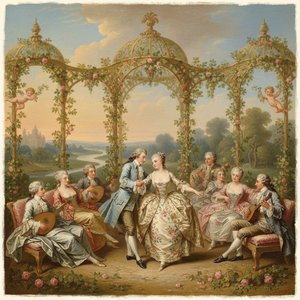
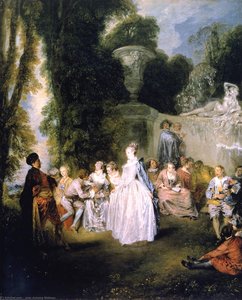
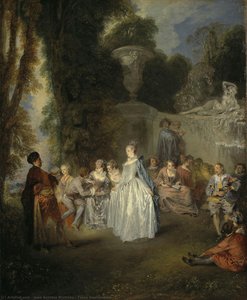
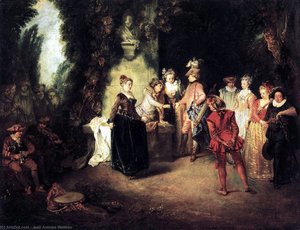
Asymmetry is perhaps the most defining characteristic. Unlike the balanced compositions favored in earlier styles, Rococo embraced curves, scrolls, and irregular forms, creating a dynamic sense of movement. This wasn’t haphazard; it was carefully orchestrated to guide the viewer's eye through the composition, often leading them on a playful journey of discovery. The emphasis shifted from grand narratives to intimate scenes – *fête galante* paintings depicting aristocratic gatherings in idyllic landscapes became particularly popular. These weren’t simply portraits; they were windows into a world of leisure and romance.
Furthermore, Rococo art frequently employed symbolism, often subtle and allusive. Flowers represented love and beauty, shells alluded to Venus, the goddess of love, and musical instruments symbolized harmony and pleasure. Understanding these hidden meanings adds another layer of appreciation to the artworks, revealing a sophisticated visual vocabulary designed to appeal to an educated elite.
Masters of Refinement: Watteau, Boucher, Fragonard & Natoire
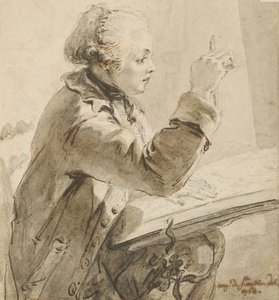 Augustin de Saint-Aubin
Augustin de Saint-Aubin (1736-1807): French Rococo engraver & designer celebrated for elegant portraits, book illustrations like Boccaccio's Decameron, and refined fashion plates. A key 18th-century artist.
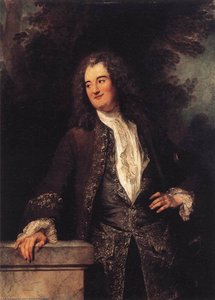
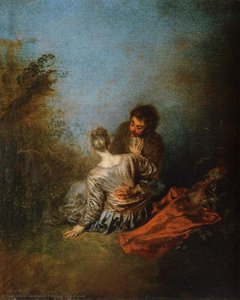
Several artists stand out as defining figures of the Rococo movement. Jean-Antoine Watteau, often considered the father of Rococo, pioneered the *fête galante* genre with masterpieces like “The Music Lesson” and “Pilgrimage to Cythera.” His paintings weren’t simply depictions of aristocratic life; they were imbued with a sense of melancholy and longing, capturing the fleeting nature of beauty and pleasure. Watteau's delicate brushwork and subtle color palette set the tone for the movement.
François Boucher, Louis XV’s official painter, epitomized Rococo opulence and sensuality. His canvases overflowed with mythological scenes and portraits of elegant women, rendered in a brilliant palette and characterized by an exquisite attention to detail. Works like “The Triumph of Venus” showcase his mastery of decorative art and his ability to capture the idealized beauty of the French aristocracy.
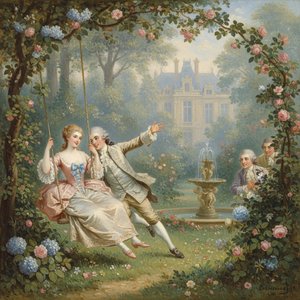
Jean-Honoré Fragonard, Boucher’s protégé, pushed Rococo refinement even further, embracing a more playful and frivolous style. Paintings like “The Swing” are iconic examples of Rococo sensuality and wit, capturing moments of flirtation and intrigue with virtuoso brushwork and vibrant colors.
Charles-Joseph Natoire, though less widely known today, was also a significant figure. As director of the French Academy in Rome, he trained generations of artists in the Rococo style, producing mythological scenes and tapestry designs that showcased his elegant compositions and refined technique. His work demonstrates the broader influence of Rococo beyond painting.
Patronage and Society: The Aristocratic Embrace of Rococo Aesthetics
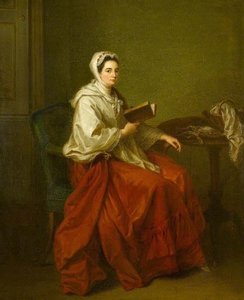 Mrs Russell, Wife of Colonel Charles Russell
Admire Angelica Kauffmann’s ‘Mrs Russell.’ A refined Rococo portrait showcasing elegance & social status. Explore this 18th-century oil painting's beauty & symbolism.
Rococo art wasn’t created in a vacuum; it was inextricably linked to the patronage of the French aristocracy. The court of Louis XV, with its emphasis on luxury and pleasure, provided fertile ground for the movement's development. Aristocrats commissioned paintings, sculptures, and decorative arts not simply as objects of beauty but as statements of their status and taste.
Mrs Russell, Wife of Colonel Charles Russell, painted by Angelica Kauffmann, exemplifies this aristocratic patronage. The portrait isn’t merely a likeness; it's a carefully constructed image designed to convey the sitter’s elegance, social standing, and refined sensibility. The elaborate gown, delicate jewelry, and graceful pose all contribute to this impression.
Salons became central hubs for artistic exchange and patronage. Aristocrats gathered in these elegant spaces to discuss art, music, and literature, commissioning works that reflected their tastes and values. The demand for decorative arts – furniture, porcelain, tapestries – soared, transforming interiors into opulent showcases of Rococo style. This close relationship between artist and patron shaped the movement’s aesthetic, fostering a focus on intimacy, pleasure, and refined beauty.
Beyond Painting: Rococo’s Influence on Sculpture, Architecture & Decorative Arts
While painting is often considered the defining medium of Rococo, its influence extended far beyond the canvas. Sculpture embraced the same lightness and elegance, with artists like Clodion creating delicate terracotta figures depicting mythological scenes and playful allegories. These sculptures weren’t monumental statements; they were intimate objects designed to adorn salons and gardens.
Rococo architecture rejected the grandeur of Baroque in favor of more ornate and asymmetrical designs. Interiors were adorned with stucco work, gilded moldings, and elaborate frescoes, creating a sense of luxurious intimacy. The Hôtel de Soubise in Paris is a prime example of Rococo architecture, showcasing its delicate ornamentation and playful asymmetry.
Perhaps the most pervasive influence of Rococo was on decorative arts. Furniture makers crafted intricately carved pieces adorned with shells, flowers, and scrolls. Porcelain factories produced delicate teacups, vases, and figurines decorated in pastel colors and gilded accents. Fashion plates showcased elegant gowns and hairstyles, reflecting the movement’s emphasis on refined beauty. Rococo wasn't simply a style of painting; it was a total aesthetic that permeated every aspect of aristocratic life.
Collecting Elegance Today: Building a Rococo-Inspired Collection
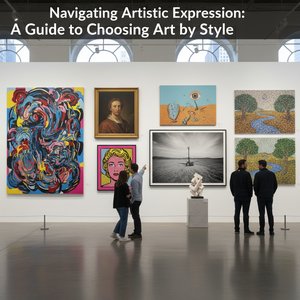 Navigating Artistic Expression: A Guide to Choosing Art by Style
Explore art history & discover your perfect style with 's expert guide. Find museum-quality reproductions, custom portraits, and personalized art consultation. Start your collection today!
For the discerning collector today, building a Rococo-inspired collection offers a unique opportunity to embrace beauty, refinement, and historical significance. While acquiring original masterpieces by Watteau or Boucher may be beyond reach for many, museum-quality reproductions offer an accessible way to experience the elegance of the era. ArtsDot.com specializes in handmade oil paintings meticulously crafted by skilled artists, capturing the delicate brushwork and vibrant colors of Rococo originals.
Consider focusing on a specific theme or artist – perhaps a collection of *fête galante* scenes or portraits of elegant women. Alternatively, explore the broader aesthetic through decorative arts reproductions – furniture, porcelain, or tapestries that evoke the opulence of 18th-century France. Custom portraiture offers another avenue for embracing Rococo style, allowing you to commission a painting in the manner of your favorite artist.
When selecting artworks, pay attention to detail and quality. Look for reproductions that accurately capture the brushstrokes, textures, and color palette of the originals. A personal consultation with an art expert can provide valuable guidance, ensuring that your collection reflects your tastes and values. Ultimately, collecting Rococo art is about embracing a world of beauty, refinement, and historical significance – a legacy of elegance that continues to inspire today.