The Rococo Revolution: Origins & Characteristics
Rococo, less commonly Roccoco ( rə-KOH-koh, US also ROH-kə-KOH; French: [ʁɔkɔko] or [ʁokoko] ), also known as Late Baroque, is an exceptionally ornamental and dramatic style of architecture, art, and decoration which combines asymmetry, scrolling cu...
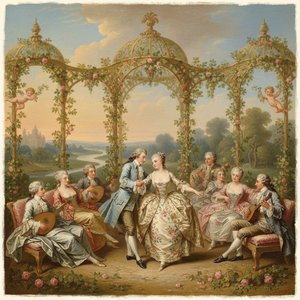
The 18th century witnessed a dramatic shift in artistic sensibilities, moving away from the grandeur and religious fervor of the Baroque period towards a style characterized by lightness, elegance, and intimacy – Rococo. Emerging in France around the reign of Louis XV, Rococo wasn’t merely a change in aesthetic; it was a reflection of a society increasingly focused on pleasure, leisure, and refined social interactions. Originally known as the “style Rocaille,” referencing the shell-like ornamentation that became its hallmark, Rococo blossomed within the opulent interiors of aristocratic residences, rejecting the public pronouncements of power for the private realms of delight.
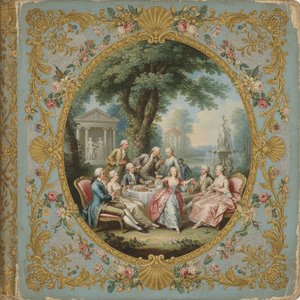
Unlike the Baroque’s bold contrasts and dramatic compositions, Rococo favored pastel palettes – delicate creams, soft pinks, and pale blues – creating an atmosphere of ethereal beauty. Asymmetrical designs replaced rigid symmetry, with swirling curves, gilded accents, and sculpted molding evoking a sense of movement and playful abandon. The integration of natural motifs—flowers, leaves, and even exotic creatures—further emphasized the style’s connection to the idyllic world. This wasn't simply decoration; it was an immersive experience designed to surprise and enchant.
However, to view Rococo as purely frivolous would be a misjudgment. While celebrating aristocratic life, it also subtly challenged established norms. The emphasis on intimacy and personal expression hinted at a growing desire for individual freedom, foreshadowing the societal shifts that would culminate in revolution. The style’s very name, derived from the grottoes and shell-covered fountains of Renaissance gardens, suggests a retreat from formality into a more natural, playful world.
French Aristocracy & The Salon de l'Abondance: A World of Opulence
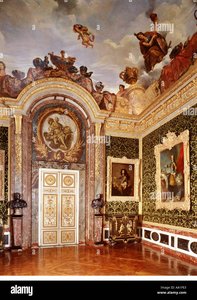 Salon de l'Abondance
Discover the Salon de l'Abondance at Versailles – Louis XIV’s opulent antechamber adorned with a breathtaking Houasse ceiling and showcasing royal treasures. Explore French history & art!
Central to understanding Rococo is recognizing its close relationship with the French aristocracy. The style wasn’t commissioned for grand public displays but rather for the private chambers and salons of the elite, reflecting their tastes and values. These spaces were designed as total works of art – a harmonious blend of architecture, painting, sculpture, and decorative objects—all intended to create an atmosphere of refined luxury.
A prime example of this opulent world is the Salon de l'Abondance at Versailles. Originally Louis XIV’s antechamber, it was transformed into a breathtaking showcase of royal treasures and artistic mastery. The magnificent ceiling fresco by Houasse depicts abundance personified, symbolizing the wealth and power of the monarchy. The room itself is a testament to Rococo principles: ornate detailing, gilded surfaces, and a sense of lavish extravagance. It wasn’t merely a space for passage but a deliberate statement about royal authority and cultural sophistication.
The Salon de l'Abondance exemplifies how art served as a tool for social display. Aristocrats sought to surround themselves with beauty and elegance, not only for personal enjoyment but also to reinforce their status and influence. This patronage fueled the development of Rococo, creating a demand for artists who could capture the spirit of aristocratic life.
Masters of Rococo: Fragonard, Watteau, and the Pursuit of Pleasure
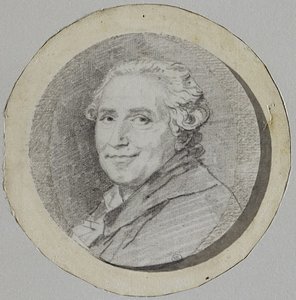 Jean-Honoré Fragonard
Discover Jean-Honoré Fragonard (1732-1806), the master of Rococo! Explore his playful paintings like 'The Swing,' capturing 18th-century elegance & sensuality. A French art icon!
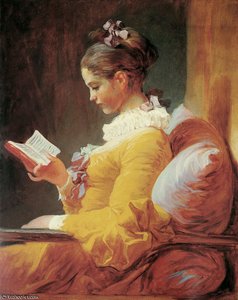
Several artists came to define the Rococo style, each bringing their unique vision to its playful aesthetic. Jean-Honoré Fragonard, perhaps the most iconic figure of Rococo painting, captured the sensuality and frivolity of aristocratic life with works like “The Swing.” His paintings are characterized by delicate brushwork, pastel colors, and a focus on intimate encounters. “The Swing,” in particular, embodies the spirit of Rococo—a playful scene filled with hidden desires and subtle eroticism.
Antoine Watteau, considered a precursor to Rococo, pioneered a new genre of *fête galante* paintings – scenes depicting elegant outdoor gatherings. His “Pilgrimage to Cythera” is a masterpiece of atmospheric beauty, capturing the idyllic world of love and romance. Watteau’s work was revolutionary in its departure from traditional history painting, focusing instead on the pleasures of everyday life.
These artists weren't simply depicting scenes of leisure; they were exploring shifting social norms and challenging established conventions. Their paintings celebrated individual freedom and sensual pleasure, reflecting a growing desire for personal expression. The delicate brushwork and pastel colors further emphasized the style’s focus on intimacy and refinement.
Neoclassicism Emerges: David and the Influence of Enlightenment Ideals
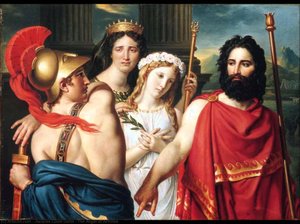 The Anger of Achilles
Witness the intensity of 'The Anger of Achilles' by Jacques-Louis David! This iconic Neoclassical masterpiece captures a pivotal moment with dramatic emotion and masterful detail. Explore its history & legacy.
As the 18th century progressed, a reaction against Rococo's frivolity began to emerge – Neoclassicism. Inspired by the rediscovery of ancient Greek and Roman art, Neoclassicism sought to restore order, reason, and moral virtue. This shift was deeply connected to the Enlightenment, with its emphasis on logic, rationality, and civic duty.
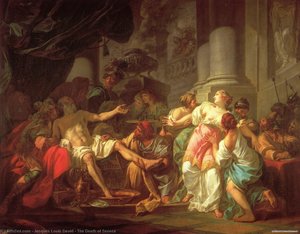
Jacques-Louis David became the leading figure of Neoclassical painting, rejecting Rococo’s playful aesthetic in favor of a more serious and didactic style. His “The Anger of Achilles” exemplifies this new approach – a dramatic depiction of a classical hero grappling with moral conflict. David's paintings are characterized by precise draftsmanship, strong compositions, and a focus on historical accuracy.
David’s embrace of ancient art wasn’t merely stylistic; it was ideological. He believed that the virtues of ancient Greece and Rome – courage, patriotism, and self-sacrifice—could serve as models for contemporary society. His work became increasingly political, reflecting his commitment to revolutionary ideals. As a result, he became the first painter to Napoleon, solidifying Neoclassicism’s role as the official style of the French Revolution.
Beyond France: Rococo and Neoclassical Variations Across Europe
While France was the birthplace of both Rococo and Neoclassicism, these styles spread across Europe, adapting to local tastes and traditions. In Germany, Rococo developed a distinctive character, particularly in Bavaria and southern regions, often incorporating religious themes into its ornate decoration. Italy, especially Venice, embraced Rococo elements while maintaining its own artistic heritage.
England absorbed Rococo influences primarily through decorative arts rather than painting, with furniture and interior design reflecting the style’s elegance and refinement. However, British artists like William Hogarth offered a critical commentary on aristocratic life, using satire to expose social hypocrisy. Across Europe, Neoclassicism took root in different forms, often blending classical ideals with national artistic traditions.
This geographical spread demonstrates the enduring appeal of both Rococo and Neoclassicism, as well as their ability to adapt to diverse cultural contexts. Each region infused these styles with its own unique character, creating a rich tapestry of artistic expression.
The Legacy of 18th-Century Painting: Bridging Baroque to Modernity
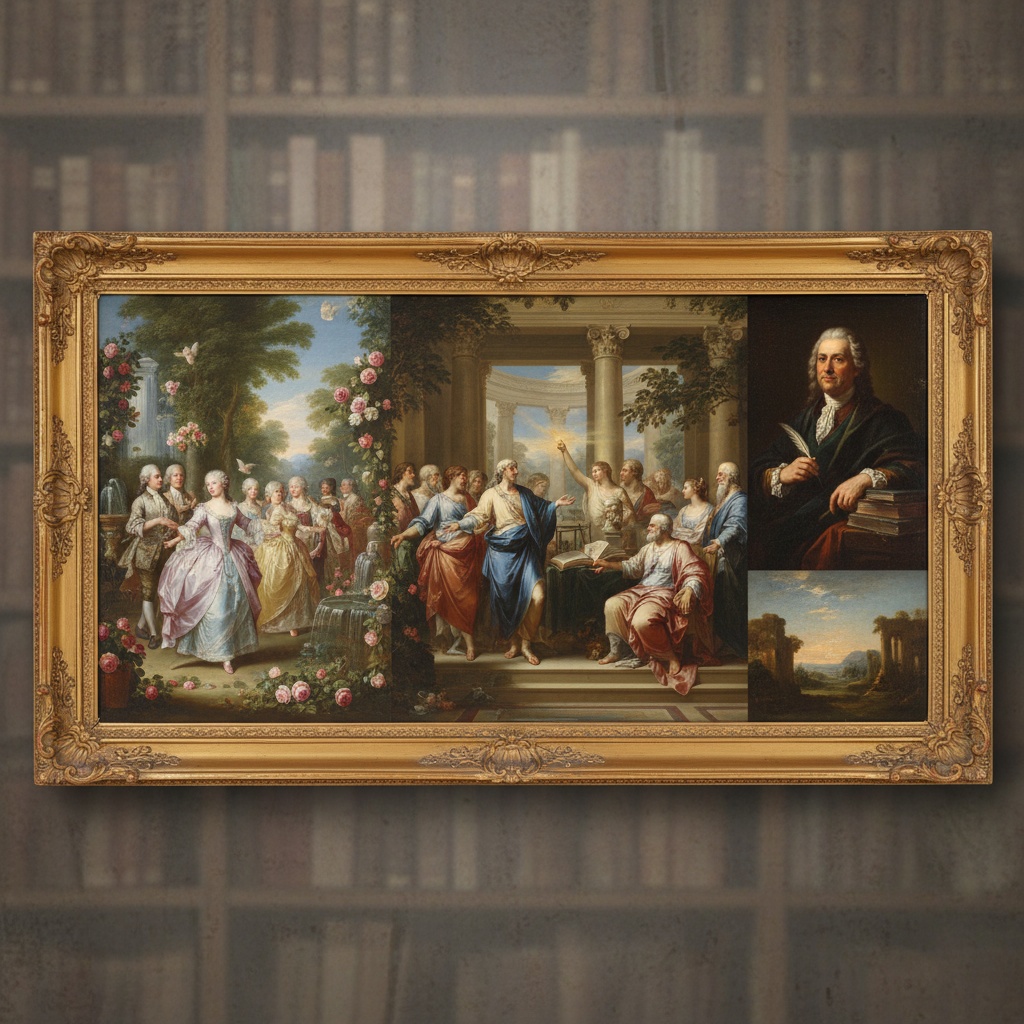
The 18th century represents a pivotal moment in art history – a transition from the grandeur of the Baroque to the foundations of modern art. Rococo, with its playful elegance and focus on intimacy, challenged established norms and paved the way for new forms of artistic expression. Neoclassicism, with its emphasis on reason and moral virtue, provided a counterpoint to Rococo’s frivolity, shaping the aesthetic ideals of the Enlightenment.
The influence of these movements can be seen in subsequent art styles, from Romanticism to Realism. The 18th century witnessed a growing awareness of individual expression and social commentary, themes that would continue to dominate artistic discourse for centuries to come. Artists like Fragonard and David not only captured the spirit of their time but also laid the groundwork for future generations.
At ArtsDot.com, we celebrate the rich legacy of 18th-century painting, offering high-quality reproductions of masterpieces by Fragonard, Watteau, David, and other iconic artists. Explore our collection today and discover the beauty and elegance of this transformative period in art history. From custom oil paintings to museum-quality prints, we bring the world’s great artworks into your home.