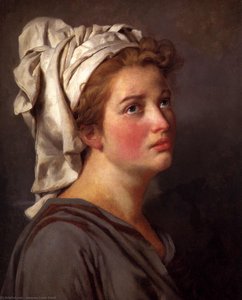
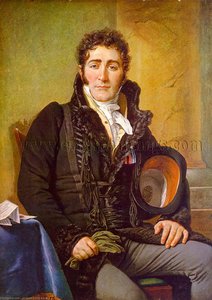
The Rise of Neoclassicism: A Reaction Against Rococo Excess
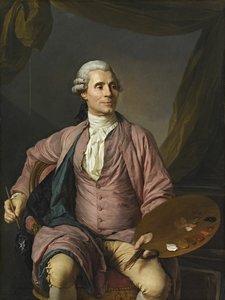 joseph marie vien
Joseph-Marie Vien (1716-1809) was a French Neoclassical painter, known for mythological scenes, portraits & genre paintings. Last Premier peintre du Roi, he influenced David & bridged Rococo to Classicism.
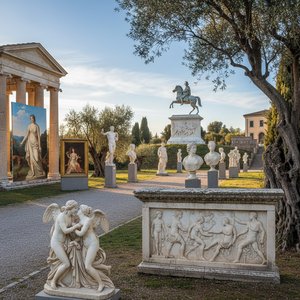
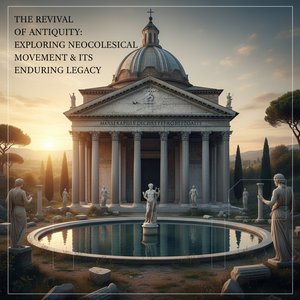
The mid-18th century witnessed a seismic shift in artistic sensibilities, a deliberate turning away from the frivolous ornamentation and pastel palettes of the Rococo period towards a renewed appreciation for the classical world. This wasn’t merely an aesthetic preference; it was a philosophical statement. The Enlightenment had ignited a passion for reason, order, and civic virtue, values embodied by the art and architecture of ancient Greece and Rome. Artists began to view the Rococo's playful depictions of aristocratic life as decadent and morally bankrupt, seeking instead inspiration in the stoicism, heroism, and clarity of classical antiquity. This burgeoning movement, known as Neoclassicism, wasn’t simply about copying ancient forms; it was about distilling their underlying principles – a pursuit of ideal beauty, balanced composition, and narratives that served as moral exemplars. The desire for authenticity extended beyond subject matter to technique, with artists striving for precise draftsmanship and sculptural modeling reminiscent of classical sculpture.
Jacques-Louis David: Architect of a New Artistic Order
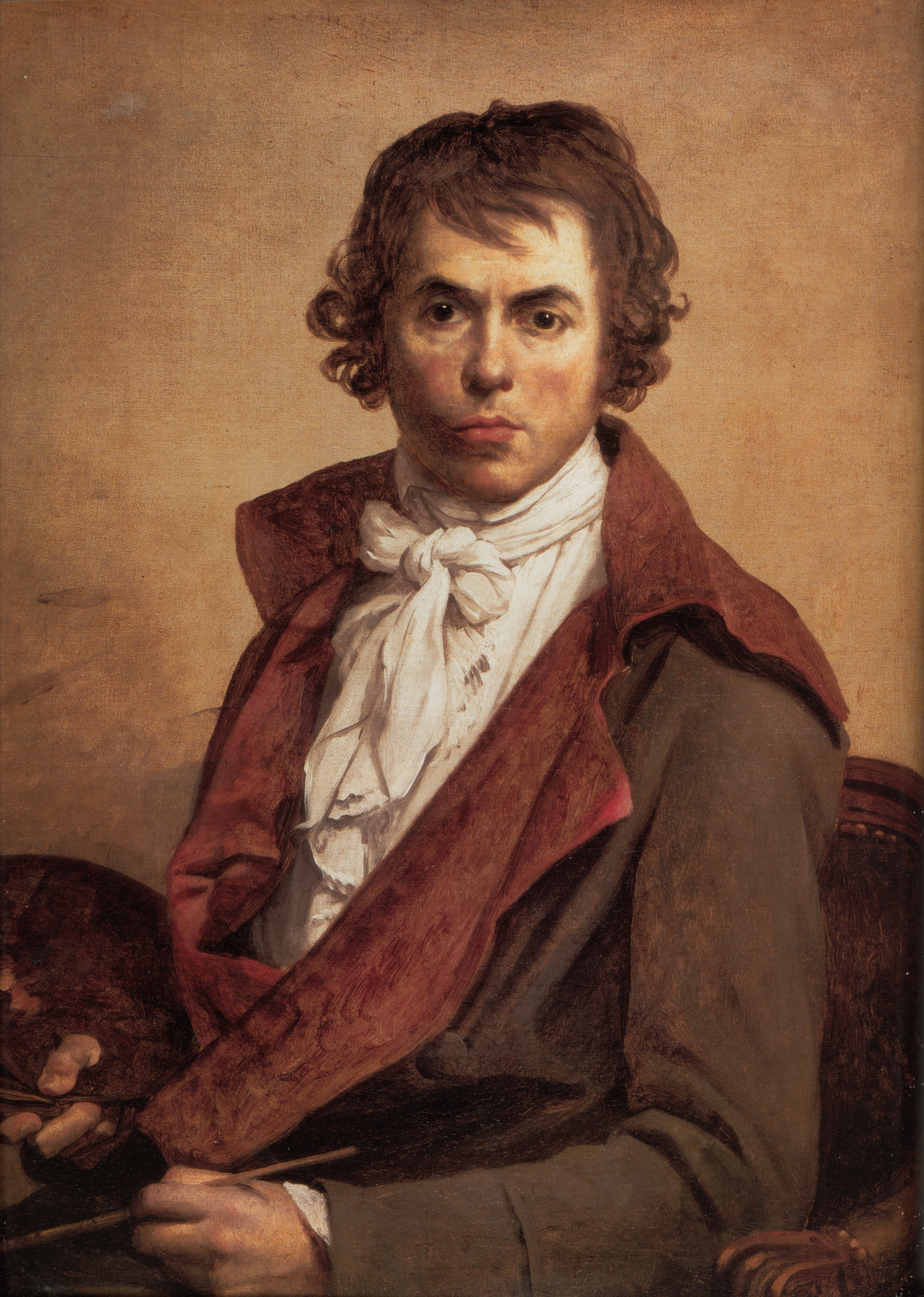 Wikipedia: Jacques-Louis David
Jacques-Louis David (French: [ʒaklwi david]; 30 August 1748 – 29 December 1825) was a French painter in the Neoclassical style, considered to be the preeminent painter of the era. In the 1780s, his cerebral brand of history painting marked a change i...
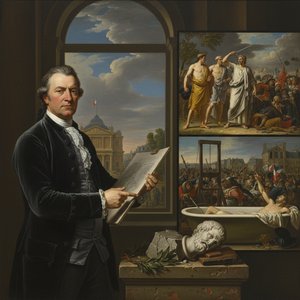
No figure embodies the spirit of Neoclassicism more powerfully than Jacques-Louis David. Born in 1748, David’s early training under François Boucher proved ill-suited to his temperament; he found himself drawn instead to the rigorous classicism championed by Joseph-Marie Vien. A pivotal trip to Rome solidified his commitment to this new aesthetic, immersing him in the ruins and masterpieces of antiquity. His breakthrough work, The Oath of the Horatii (1785), became an instant sensation, shocking audiences with its stark simplicity, dramatic composition, and powerful message of civic duty. Unlike the languid forms and delicate brushwork of Rococo painting, David’s style was characterized by precise lines, sculpted figures, and a restrained color palette. He wasn't merely depicting a historical event; he was constructing an allegory for contemporary France, urging viewers to prioritize patriotism and sacrifice. David quickly became the official painter of Louis XVI, but his allegiances would soon shift dramatically with the outbreak of the French Revolution.
Portraiture as Propaganda: Power, Identity & Political Allegiance
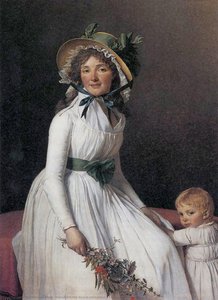
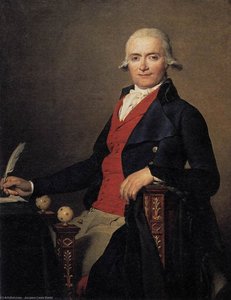
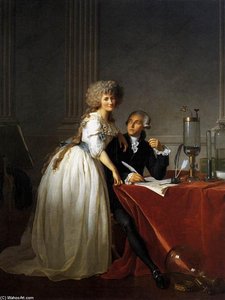
As the Revolution unfolded, David’s art became inextricably linked to its ideals. He was elected a deputy to the National Convention and actively participated in shaping the new republic's cultural landscape. Portraiture, traditionally reserved for the aristocracy, took on a new significance as a tool of propaganda and social commentary. David masterfully captured the likenesses of revolutionary figures, imbuing them with an aura of virtue and heroism. The Death of Marat (1793), a poignant depiction of the assassinated Jacobin leader, is perhaps his most iconic work from this period. It’s not simply a portrait; it's a carefully constructed image designed to elevate Marat to the status of a martyr. David stripped away any extraneous detail, focusing instead on the essential elements – Marat’s pale body, the bloodstained sheet, and the quill in his hand – creating a powerful symbol of revolutionary sacrifice. His portraits weren’t objective representations; they were carefully curated narratives designed to shape public perception and reinforce political allegiances.
Beyond David: Girodet and the Bridging of Styles
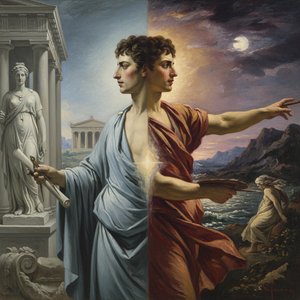 Anne-Louis Girodet: Bridging Neoclassicism & Romanticism with Emotional Truth
Explore the captivating world of Anne-Louis Girodet, a pivotal figure bridging Neoclassicism & Romanticism. Discover his masterpieces and unique artistic vision with ArtsDot.
While David dominated the Neoclassical scene, other artists explored its possibilities with unique perspectives. Anne-Louis Girodet de Rousiers-Trioson, a student of David, represents a fascinating transition between Neoclassicism and Romanticism. Girodet shared David’s commitment to classical form but infused his work with a greater sense of emotional intensity and psychological depth. His Sleep of Endymion (1793) exemplifies this shift, depicting the mythological shepherd in a sensual and dreamlike setting. Unlike David's austere compositions, Girodet embraced a richer color palette and more dynamic brushwork. He challenged the strict moralizing of Neoclassicism, exploring themes of passion, desire, and melancholy. Girodet’s work demonstrates that Neoclassicism wasn’t monolithic; it was a diverse movement with internal tensions and evolving interpretations.
The Grand Manner in Portraiture: Emulating Antiquity's Dignity
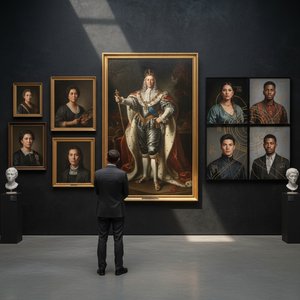
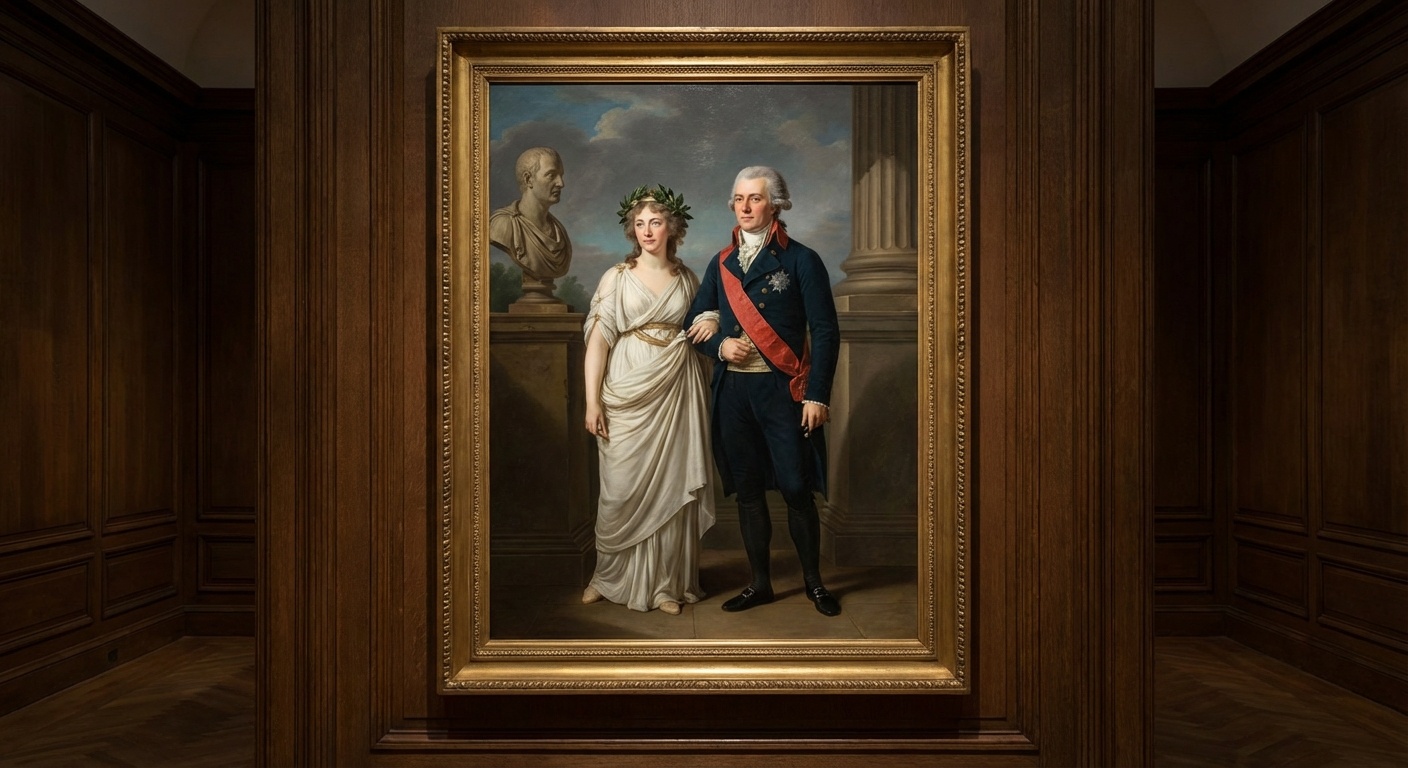
Central to the success of Neoclassical portraiture was its embrace of the “grand manner,” an aesthetic style derived from classical art that emphasized nobility, dignity, and idealized beauty. This wasn’t simply about depicting physical likeness; it was about conveying a sense of moral character and social status. Artists employed techniques such as dramatic lighting, carefully chosen props, and allegorical symbolism to elevate their subjects beyond the mundane. Portraits often featured classical drapery, architectural settings, and references to ancient mythology, all designed to associate the sitter with the virtues of antiquity. Madame Jacques-Louis Leblanc, painted by Jean-Auguste-Dominique Ingres (a student of David), exemplifies this approach. The subject is presented in a stately pose, her elegant gown and refined features conveying an air of aristocratic grace. The composition, lighting, and overall aesthetic evoke the dignity and composure associated with classical sculpture.
Legacy and Influence: Neoclassicism’s Enduring Impact on Art
The influence of Neoclassicism extended far beyond the 18th and early 19th centuries. David's students, including Ingres, François Gérard, and Antoine-Jean Gros, continued to propagate his style, shaping the course of French art for generations. While later movements such as Romanticism and Realism challenged its strict principles, Neoclassicism’s emphasis on clarity, order, and moral purpose left an indelible mark on artistic sensibilities. The pursuit of ideal beauty, balanced composition, and narratives that served as ethical exemplars continues to resonate with artists today. At ArtsDot.com, we celebrate the enduring legacy of Neoclassical portraiture, offering meticulously crafted reproductions that capture the power, elegance, and timeless beauty of these masterpieces. Explore our collection and discover investment-worthy artworks, expert appraisals, and custom reproduction services to bring the spirit of antiquity into your home.