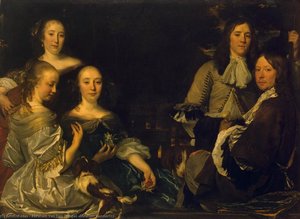
The Genesis of Likeness: Portraiture in Antiquity and the Renaissance
Portrait painting is a genre in painting, where the intent is to represent a specific human subject. The term 'portrait painting' can also describe the actual painted portrait. Portraitists may create their work by commission, for public and private ...
The human desire to capture likeness—to immortalize a face, a personality, a moment in time—is as old as civilization itself. While rudimentary depictions exist from prehistoric times, it was in ancient Egypt that portraiture began to coalesce into something recognizable, serving primarily funerary and religious purposes. Sculpted heads, often idealized yet bearing distinct features, accompanied the deceased into the afterlife, ensuring their continued existence in the spiritual realm. The Romans further refined this practice, embracing realism with a focus on civic duty and ancestral veneration; busts of emperors and prominent citizens weren’t merely aesthetic objects but powerful statements of authority and lineage. However, with the fall of Rome, portraiture largely receded from prominence in Europe for centuries, overshadowed by symbolic representation rather than individual depiction.
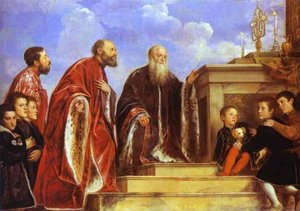
The Renaissance witnessed a dramatic rebirth of interest in classical art and humanism, igniting a renewed passion for capturing the unique essence of individuals. Artists like Robert Campin and Hans Memling began to incorporate increasingly realistic portraits into religious scenes, subtly shifting the focus from purely divine subjects to include recognizable patrons. This wasn’t simply about vanity; it was an assertion of earthly importance, a reflection of burgeoning mercantile wealth and individual agency. The profile portrait, echoing ancient Roman coins, became particularly popular, offering a dignified and restrained representation. But the true revolution lay in the development of techniques—oil painting, perspective, and sfumato—that allowed for unprecedented levels of detail and emotional nuance. The rediscovery of classical texts also fueled a fascination with ideal beauty, influencing artists to strive for harmonious proportions and balanced compositions.
Power & Propaganda: How Portraits Shaped Dynasties and Public Perception
As portraiture gained prominence, it quickly became inextricably linked with power. Rulers understood the potent symbolic value of their image—a carefully crafted representation could project authority, inspire loyalty, and legitimize their reign. The portraits commissioned by European monarchs weren’t simply records of appearance; they were meticulously constructed narratives designed to convey specific messages about strength, wisdom, and divine right. Consider the imposing grandeur of Jacques-Louis David's depictions of Napoleon Bonaparte: each brushstroke served to elevate the emperor to near-mythical status, emphasizing his military prowess and unwavering leadership. Similarly, in Eastern Europe, stylized portraits of Soviet leaders were deployed as tools of propaganda, reinforcing state ideology and cultivating a cult of personality.
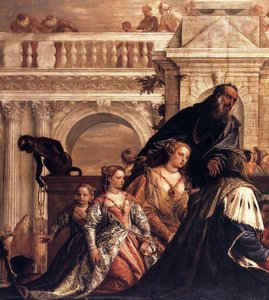
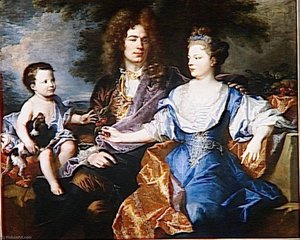
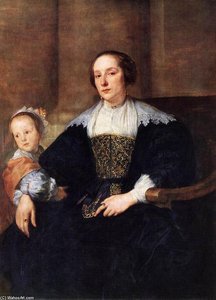
Beyond royal courts, portraiture also played a crucial role in establishing social hierarchies. Wealthy merchants and nobles commissioned paintings to demonstrate their affluence and status, often incorporating symbols of wealth—expensive fabrics, elaborate jewelry, or grand interiors—into the composition. These portraits weren’t just about individual recognition; they were public declarations of success and belonging. The very act of commissioning a portrait became a signifier of social mobility, allowing individuals to visibly assert their rising position within society. The careful control over every detail – pose, attire, background – ensured that the image projected the desired message of respectability and power.
Beyond Representation: Capturing Identity, Emotion, and the Inner Life
Self-portraiture, or Autoportraiture is the field of art theory and history that studies the history, means of production, circulation, reception, forms, and meanings of self-portraits. Emerging in Antiquity and becoming popular from the Renaissance ...
While early portraiture often prioritized idealized representation or symbolic messaging, artists gradually began to explore more subtle and nuanced ways of capturing individual identity. The Renaissance masters—Leonardo da Vinci, Raphael, Titian—sought not merely to depict *what* someone looked like but *who* they were. Da Vinci’s Mona Lisa remains iconic precisely because of its enigmatic quality; the subject's subtle smile and captivating gaze invite endless interpretation, suggesting a complex inner life beyond the surface appearance. Raphael’s portraits, such as that of Baldassare Castiglione, similarly convey a sense of intelligence, refinement, and psychological depth.
The Baroque period saw an even greater emphasis on emotional expression and dramatic realism. Artists like Rembrandt van Rijn masterfully employed chiaroscuro—the interplay of light and shadow—to create portraits that revealed the sitter’s character and inner turmoil. His self-portraits, in particular, offer a poignant glimpse into the artist's own evolving psyche, documenting his aging process and grappling with themes of mortality and introspection. This shift towards psychological realism marked a turning point in portraiture, paving the way for later artists to explore even more intimate and subjective representations.
Technical Mastery and Artistic Innovation Across Centuries
The evolution of portraiture is inextricably linked to advancements in artistic technique. The development of oil painting in the Renaissance allowed for unprecedented levels of detail, luminosity, and color blending. Artists experimented with layering techniques—glazes, impasto, sfumato—to create textures that mimicked flesh tones and fabrics with remarkable accuracy. Perspective, rediscovered from classical texts, provided a means of creating realistic depth and spatial relationships.
Subsequent centuries witnessed further innovations. Mannerism introduced elongated forms and stylized poses, while the Baroque period embraced dramatic lighting and dynamic compositions. The 18th century saw a refinement of Rococo elegance and Neoclassical restraint. Throughout these periods, artists continually pushed the boundaries of their craft, seeking new ways to capture likeness, convey emotion, and express individual style. The meticulous study of anatomy, light, and color remained central to portraiture’s technical mastery, ensuring that each artwork was not merely a representation but a testament to the artist's skill and vision.
Portraiture's Evolution: From Aristocracy to Modern Self-Expression
The 19th century brought significant changes to portraiture. The rise of photography challenged painting’s dominance as the primary means of capturing likeness, prompting artists to explore new avenues of expression. Impressionism and Post-Impressionism embraced looser brushstrokes and subjective interpretations of color and light, prioritizing atmosphere and emotion over precise realism. Artists like John Singer Sargent captured the fleeting moments of modern life with a sense of spontaneity and elegance.
The 20th century witnessed an explosion of artistic movements—Cubism, Surrealism, Expressionism—that radically redefined portraiture’s conventions. Artists fractured forms, distorted perspectives, and explored the subconscious mind to create portraits that were less about physical resemblance and more about psychological states and inner worlds. The advent of digital art further expanded the possibilities, allowing for new levels of manipulation and abstraction. Today, self-portraiture—from traditional paintings to social media selfies—continues to thrive as a powerful form of self-expression and identity exploration.
Collecting Portraiture Today: Investing in History and Human Connection
For the discerning art collector, portraiture offers a unique opportunity to acquire not merely aesthetically pleasing objects but tangible connections to history and human experience. A carefully chosen portrait can provide insights into past eras, reveal the personalities of influential figures, and reflect evolving social values. Whether you are drawn to the grandeur of Renaissance masterpieces or the psychological depth of Baroque compositions, there is a portrait to suit every taste and investment strategy.
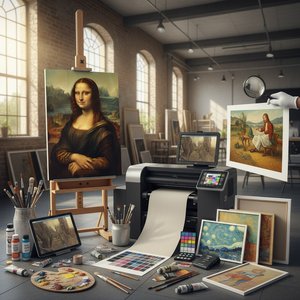
At ArtsDot, we specialize in creating museum-quality reproductions of famous portraits, allowing you to bring these iconic artworks into your home. Our skilled artists meticulously hand-paint each reproduction on 100% cotton canvas using professional oils, ensuring authentic brushstrokes and lasting beauty. We also offer custom portrait commissions, transforming cherished photos into timeless heirlooms. Explore our extensive collection today and discover the enduring power of formal portraiture—a legacy that continues to captivate and inspire.