A History of Replication: From Workshop Copies to Early Prints
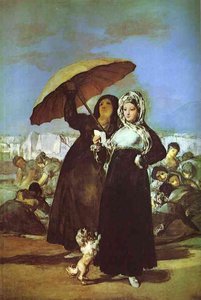 A Woman Reading a Letter
Francisco Goya
The desire to possess, to replicate beauty, is as old as art itself. Throughout history, artists have studied the works of their predecessors, not merely as inspiration but as a means of understanding technique and mastering form. Early forms of reproduction were laborious – meticulous copying by hand, often commissioned by wealthy patrons eager to adorn their homes with versions of celebrated masterpieces. Consider the workshops of Renaissance Italy, where apprentices spent years honing their skills through faithful replication. These weren’t seen as lesser works; they were exercises in learning, a pathway to artistic mastery. However, the advent of mechanical reproduction, as Walter Benjamin so eloquently explored in his seminal essay, fundamentally altered our relationship with art. The aura of uniqueness, once inherent in an original artwork, began to shift and evolve. Today, we stand at another pivotal moment, where technology allows for incredibly accurate reproductions – but also opens doors to unprecedented levels of customization.
Before the printing press revolutionized image dissemination, copies served a different purpose. They were often integrated into artistic education, allowing students to deconstruct and understand the compositions of masters like Leonardo da Vinci or Raphael. The very act of copying fostered a deep appreciation for anatomy, perspective, and color theory. These workshop reproductions weren’t intended to deceive; they were pedagogical tools, stepping stones in an artist's development. Even beyond workshops, skilled artisans created devotional copies – smaller, more affordable versions of religious icons meant for personal piety. Francisco Goya’s work provides a fascinating example; while renowned for his original paintings like A Woman Reading a Letter, the dissemination of his etchings and aquatints through printmaking allowed a wider audience to engage with his powerful social commentary.
The Mechanical Reproduction Revolution & The Shifting 'Aura' of Art
 Wikipedia: The Work of Art in the Age of Mechanical Reproduction
"The Work of Art in the Age of Mechanical Reproduction" (German: Das Kunstwerk im Zeitalter seiner technischen Reproduzierbarkeit) (1935), by Walter Benjamin, is an essay of cultural criticism which proposes and explains that mechanical reproduction ...
The invention of printing, particularly woodcut and engraving, marked a turning point. Suddenly, images could be multiplied rapidly, reaching audiences far beyond the confines of aristocratic courts or religious institutions. This democratization of art had profound consequences. While it broadened access to visual culture, it also raised questions about authenticity and originality. Walter Benjamin’s The Work of Art in the Age of Mechanical Reproduction (1935) brilliantly articulated this shift. He argued that mechanical reproduction detaches the artwork from its traditional context – its ritualistic value, its unique history – creating a loss of “aura.” This aura, he posited, is tied to the artwork’s singular existence in time and space.
Early prints, though lacking the color and texture of painting, offered new possibilities for artistic expression. Artists like Albrecht Dürer pushed the boundaries of woodcut and engraving, creating intricate and highly detailed works that rivaled paintings in their complexity. The rise of printmaking also fueled the development of new genres – portraiture became more accessible, landscapes were widely circulated, and satirical prints challenged social norms. The impact extended beyond art itself; it influenced political discourse, scientific illustration, and everyday life.
Oil Painting Reproduction: Techniques, Materials, and Achieving Authenticity
Oil painting is a painting method involving the procedure of painting with pigments combined with a drying oil as the binder. It has been the most common technique for artistic painting on canvas, wood panel, or copper for several centuries. The adva...
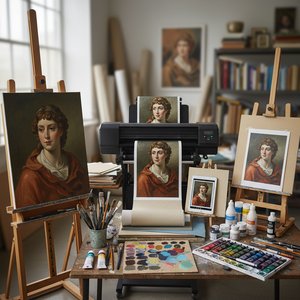
The evolution from hand-copying to modern printing techniques has been remarkable. Early engravings and etchings offered a wider dissemination of images, though they lacked the color and texture of painting. Lithography brought greater fidelity, yet still couldn’t fully capture the nuances of an oil painting. The development of giclée printing – utilizing archival inks on high-quality canvas – represents a significant leap forward. This process allows for vibrant colors, exceptional detail, and longevity, making it a popular choice for art enthusiasts seeking affordable access to iconic works. But beyond mere replication lies the realm of handmade reproductions, where skilled artists painstakingly recreate masterpieces brushstroke by brushstroke, imbuing each piece with its own unique character.
Oil painting itself is a complex medium, demanding years of training and expertise. The advantages of oil for painting images include “greater flexibility, richer and denser color, the use of layers, and a wider range from light to dark.” The oldest known oil paintings date back to the 7th century AD in Afghanistan, but it wasn’t until the Early Netherlandish painting that oil paint truly came into its own. Achieving authenticity in an oil reproduction requires not only technical skill but also a deep understanding of materials – the type of canvas, the quality of pigments, and the specific techniques employed by the original artist. The choice of drying oils (linseed, poppy seed, walnut) impacts color, sheen, and longevity.
Handmade vs. Digital Reproductions: A Comparative Analysis
 The Artisans of Reproduction: A Deep Dive into ’s Artist Network & Customization Process
Discover the artistry behind ’s handcrafted art reproductions & custom paintings. Explore our network of skilled artists & experience museum-quality results, tailored to your vision. Trusted by collectors worldwide.
Choosing between a handmade oil reproduction and a digital print involves weighing different priorities. Handmade reproductions offer an unparalleled level of authenticity – the texture of the brushstrokes, the subtle variations in color, the very feel of the paint on canvas. These are created by skilled artists who possess not only technical proficiency but also a deep appreciation for the original artwork. The process is time-consuming and requires meticulous attention to detail.
Digital reproductions, such as giclée prints, offer affordability and convenience. They can accurately capture the colors and details of an original painting, making them ideal for large-scale projects or for those seeking a cost-effective alternative. However, they lack the tactile quality and unique character of a handmade reproduction. The choice ultimately depends on your individual preferences and budget. A print might be perfect for filling a large wall space, while a handmade oil reproduction could serve as a cherished heirloom.
Customization & Personalization: Bringing Your Vision to Life
At ArtsDot, we believe that art should be accessible to all. Our commitment lies in bridging the gap between the original masterpiece and the discerning collector. The process begins with a meticulous selection of artists – individuals possessing not only technical skill but also a deep understanding of artistic principles. Each artist is carefully matched to projects based on their expertise; an Impressionist reproduction, for example, will be entrusted to someone adept at capturing light and color in the style of Monet or Renoir.
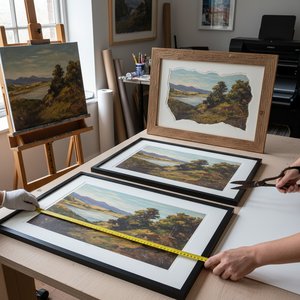
When you commission a handmade oil painting through ArtsDot, it’s not simply a copy being produced – it's a re-creation born from years of training and passion. The journey from initial order to final delivery is transparent and collaborative. For custom projects, we begin with digital mockups, allowing you to visualize the artwork before any paint touches canvas. This ensures that every detail aligns with your vision – whether it’s adjusting colors, refining compositions, or incorporating personal elements. Imagine transforming a cherished family photograph into a Renaissance-style portrait, reminiscent of the Old Masters. Our artists are adept at replicating various styles – from Van Gogh’s swirling brushstrokes to the precise realism of Vermeer.
Preserving the Legacy: The Role of Reproduction in Art Appreciation & Accessibility
Ultimately, art reproduction is not about replacing the original; it's about expanding access and fostering appreciation. Museums rely on reproductions for educational purposes, allowing visitors to engage with masterpieces that might otherwise be inaccessible. Collectors use reproductions to study techniques and build their knowledge of art history. And individuals like you seek reproductions to bring beauty into their homes and connect with artworks they admire.
The ability to replicate a masterpiece – whether through meticulous hand-painting or advanced digital technology – is a testament to human ingenuity and our enduring fascination with art. At ArtsDot, we are proud to play a role in preserving this legacy, offering museum-quality reproductions that capture the essence of timeless beauty. We strive to provide not just a product, but an experience—a connection to the rich history and profound emotional power of art.