


Understanding Art Reproduction Techniques: Prints vs. Hand-Painted Copies
The desire to possess beauty, to live amongst images that stir the soul, is a deeply human impulse. For centuries, this yearning has been met with varying degrees of success – and fidelity – through the art of reproduction. But what does it truly mean to ‘reproduce’ a masterpiece? Is it merely creating a visual facsimile, or something more profound? The answer lies in understanding the distinct approaches: prints versus hand-painted copies. High-resolution giclée prints, born from digital scans and archival inks, offer remarkable color accuracy and detail – a convenient and affordable pathway to enjoying iconic works. However, they lack the tangible presence, the subtle texture, the very *life* of an original canvas. A print is a reflection; a hand-painted reproduction aspires to be a continuation.
The allure of a hand-painted copy stems from its inherent connection to artistic tradition. It’s a process rooted in apprenticeship, observation, and skill – a lineage stretching back to the Renaissance workshops where artists meticulously replicated the works of masters for patrons eager to adorn their homes with beauty. These weren't simply copies; they were exercises in understanding technique, color theory, and composition. Today, reputable studios employ classically trained artists who approach each reproduction as an act of homage, painstakingly recreating brushstrokes, layering pigments, and capturing the nuances that define a masterpiece. The choice isn’t about replacing the original – an impossibility, and frankly, not the intention – but about experiencing its essence in a new form.
The Artist's Hand: Selecting a Skilled Painter for Your Commission
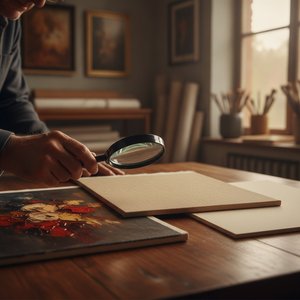
To embark on commissioning an art reproduction is to enter into a collaborative dialogue with artistry itself. The success of your endeavor hinges upon selecting a painter whose skill and sensibility align with the spirit of the original work. A mere technician can replicate form; it’s the artist who breathes life into it. Begin by scrutinizing portfolios – not simply for technical proficiency, but for an understanding of style. Does the artist demonstrate a mastery of Impressionistic brushwork if you seek to reproduce Monet? Can they capture the dramatic chiaroscuro of Rembrandt? Look beyond surface resemblance and delve deeper: are colors accurately represented? Is there a sense of depth and texture that transcends mere imitation?
Transparency is paramount. A reputable studio will readily provide information about its artists’ training, experience, and approach to color matching. Inquire about the materials used – linen canvas is preferred for its durability and texture, while high-quality oil paints ensure longevity and vibrancy. Consider requesting a small test piece before committing to a larger project; this allows you to assess their skill firsthand and establish a shared understanding of your expectations. The artist isn’t merely copying an image; they are interpreting it through their own lens, informed by years of study and practice. A true master will understand the historical context of the work and strive to recreate not just its visual appearance but also its emotional resonance.
Customization Options: Tailoring Your Reproduction to Perfection
The beauty of commissioning an art reproduction lies in its inherent flexibility – the ability to tailor it precisely to your space, aesthetic preferences, and personal vision. Size adjustments are often necessary to accommodate specific wall dimensions or gallery layouts; a skilled studio will readily accommodate these requests. Framing choices significantly impact the overall presentation of the artwork; consider styles that complement both the painting and your interior décor – from ornate gilded frames for classical works to sleek modern designs for contemporary pieces.
Beyond these basics, explore more nuanced customizations. Opt for an extended wrap canvas where the image continues around the edges, creating a seamless visual experience. Request a specific varnish finish – glossy varnishes enhance vibrancy and depth, while matte finishes provide a more subtle, understated look. For portraits, the possibilities are endless: adjust clothing, background scenery, or even facial expressions to create a truly unique heirloom piece. Reputable studios will provide digital mockups before commencing painting, allowing you to approve every detail and ensure your complete satisfaction. This collaborative process transforms a reproduction from a simple copy into a personalized work of art.
Materials Matter: Ensuring Longevity and Visual Fidelity
The longevity of an artwork is inextricably linked to the quality of materials used in its creation. Investing in premium-grade canvas, paints, and varnishes isn’t merely about aesthetics; it’s about safeguarding your investment for generations to come. Linen canvas, woven from flax fibers, possesses inherent strength, texture, and archival properties – far superior to cotton alternatives. High-quality oil paints, with high lightfastness ratings, resist fading and discoloration over time, preserving the vibrancy of colors.
Varnishes act as a protective shield against dust, UV damage, and environmental factors. Choose a varnish that complements the painting’s style – glossy varnishes enhance brilliance, while matte varnishes provide a more subtle finish. Framing materials also play a crucial role; opt for archival-quality wood frames with acid-free backing boards to prevent deterioration. The use of professional-grade stretchers ensures canvas tension and prevents warping, maintaining the integrity of the artwork’s form. These seemingly minor details collectively contribute to a reproduction that not only looks beautiful but also endures as a lasting testament to artistic excellence.
From Canvas to Completion: The Painting Process Unveiled
The creation of a hand-painted art reproduction is a meticulous process, steeped in tradition and requiring unwavering dedication. It begins with the careful stretching of linen canvas, primed with gesso to create an ideal surface for oil paint. Initial sketches establish the foundational structure of the artwork, followed by multiple layers of paint applied painstakingly over weeks or months. Each layer is allowed to dry before adding subsequent details, building depth and richness.
Artists often employ techniques like glazing – applying thin, translucent layers of color to create subtle nuances and luminosity – and impasto – thickly applying paint for texture and dimension. Color matching is a critical step; artists meticulously analyze the original artwork’s palette and recreate it using high-quality pigments. Throughout the process, reputable studios provide progress updates, allowing you to track the creation of your reproduction and offer feedback. Finally, a protective varnish layer seals the painting and enhances its visual appeal. This transparent workflow ensures that your vision is realized with precision and care.
Investing in Art: Value, Provenance, and the Future of Reproductions
While not original masterpieces, museum-quality art reproductions can represent a worthwhile investment – offering both aesthetic enjoyment and potential financial appreciation. The market for reproductions is driven by several factors: the enduring popularity of the original artist, the quality of the reproduction itself, and its provenance (history of ownership). Hand-painted reproductions created by skilled artists using premium materials are more likely to retain their value over time.
Limited edition reproductions – those produced in a small number with numbered certificates of authenticity – often command higher prices. Proper documentation is essential; keep records of your purchase, including artist information, materials used, and any appraisals or certifications. Framing the artwork professionally enhances its presentation and protects its integrity. As art historian Walter Benjamin observed, while reproductions may lack the ‘aura’ of originals, they contribute to the democratization of art access and can become valuable cultural artifacts in their own right. At ArtsDot.com, we are committed to providing museum-quality reproductions that honor the legacy of artistic excellence – transforming your cherished visions into timeless treasures.