The Rise of Baroque Portraiture: Historical Context & Patronage
Flemish Baroque painting was a style of painting in the Southern Netherlands during Spanish control in the 16th and 17th centuries. The period roughly begins when the Dutch Republic was split from the Habsburg Spain regions to the south with the Span...
The 17th century witnessed a dramatic shift in the world of portraiture, moving away from the restrained elegance of the Renaissance towards the dynamic and emotionally charged style we now recognize as Baroque. This transformation wasn’t merely aesthetic; it was deeply intertwined with the political, religious, and social currents of the era. The Protestant Reformation had fractured Europe, leading to intense competition between Catholic and Protestant powers. This rivalry fueled a demand for art that could project authority, piety, and cultural sophistication – qualities perfectly embodied in the burgeoning Baroque style. Patronage played a crucial role. The Spanish Habsburgs, particularly within the Southern Netherlands (modern-day Belgium), became significant supporters of artists like Peter Paul Rubens and Anthony van Dyck, commissioning portraits not just as representations of individuals but as powerful statements of dynastic strength and religious conviction. Wealthy merchants and nobility also flocked to these masters, eager to immortalize their status and lineage through increasingly lavish depictions.
The Counter-Reformation further shaped the artistic landscape. The Catholic Church sought to reassert its influence after the challenges posed by Protestantism, and art became a vital tool in this endeavor. Portraits of religious figures were commissioned with an emphasis on emotional intensity and spiritual fervor, aiming to inspire devotion and reaffirm faith. This context explains why Baroque portraits often feature rich colors, dramatic lighting (chiaroscuro), and dynamic compositions – all designed to evoke a powerful response from the viewer. The focus shifted from idealized representations towards capturing the individual personality and inner life of the sitter, albeit within the framework of established social conventions.
Rubens and Van Dyck: Masters of Flemish Baroque Portraiture
No discussion of 17th-century portraiture is complete without acknowledging the towering figures of Peter Paul Rubens and Anthony van Dyck. Rubens, a polymath as much as an artist, established the foundations of Flemish Baroque painting. His portraits are characterized by their monumental scale, vibrant color palettes, and masterful handling of light and shadow. He didn’t simply paint *faces*; he painted presences – figures radiating health, wealth, and intellectual vitality. Woman with a Mirror, for example, showcases his ability to capture both physical beauty and psychological depth, the sitter seemingly lost in contemplation before her own reflection.
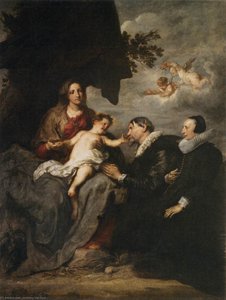
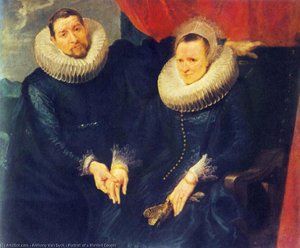
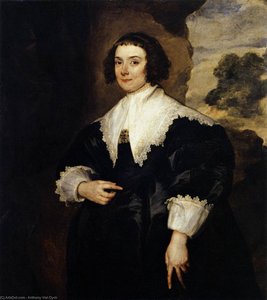
Van Dyck, initially trained under Rubens, refined the art of courtly portraiture to an unprecedented degree. He became the principal painter to Charles I of England, where he developed a distinctive style that blended Italian elegance with Flemish realism. Philip, Fourth Lord Wharton, exemplifies Van Dyck’s signature approach: sophisticated poses, elegant attire, and a subtle psychological nuance that conveyed both power and refinement. Unlike Rubens' more robust figures, Van Dyck’s sitters often appear poised and aristocratic, embodying the ideals of courtly life. His portraits weren’t merely likenesses; they were carefully constructed images designed to project an aura of authority and social standing.
Decoding the Symbolism: Unveiling Hidden Meanings in 17th-Century Portraits
 Wikipedia: Peter Paul Rubens
Sir Peter Paul Rubens ( ROO-bənz; Dutch: [ˈpeːtər pʌul ˈrybəns]; 28 June 1577 – 30 May 1640) was a Flemish artist and diplomat. He is considered the most influential artist of the Flemish Baroque tradition. Rubens' highly charged compositions referen...
Baroque portraits are rarely straightforward representations of individuals. They are often laden with symbolism, reflecting the sitter’s status, beliefs, and aspirations. Objects within the composition – flowers, animals, books, jewelry – were carefully chosen to convey specific meanings understood by contemporary viewers. For instance, a dog might symbolize fidelity or loyalty, while a skull could represent mortality or the transience of earthly possessions. The clothing itself was significant; expensive fabrics and elaborate lace indicated wealth and social rank.
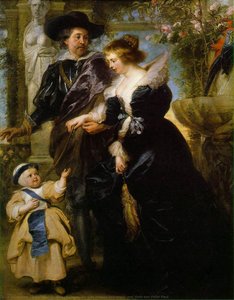
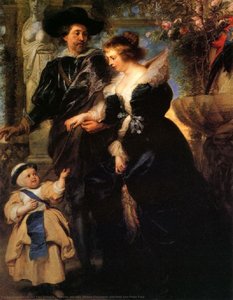
Helena Fourment with Her Son Francis, by Rubens, is a particularly rich example. The lush garden setting alludes to fertility and abundance, while the presence of the son emphasizes the continuation of the family line. The sitter’s attire and jewelry signify her status as a wealthy and respected wife. Even the pose – relaxed yet dignified – conveys a sense of domestic harmony and prosperity. Understanding these symbolic layers allows us to appreciate the portrait not just as an aesthetic object but as a complex statement about identity, social values, and personal beliefs.
Techniques and Materials: Achieving Realism, Texture, and Dramatic Effect
The remarkable realism achieved in Baroque portraits was the result of meticulous technique and skillful use of materials. Artists like Rubens and Van Dyck employed oil paints on canvas, building up layers of color to create depth, texture, and luminosity. They mastered the art of chiaroscuro – the dramatic contrast between light and shadow – to sculpt forms and draw attention to key features. The preparation of canvases was also crucial; artists often used multiple layers of priming to create a smooth surface that allowed for precise brushwork.
Collaboration within workshops was common. Masters like Rubens employed assistants who would handle preliminary sketches, underpainting, and background details, allowing the artist to focus on the most important aspects of the composition – the face, hands, and drapery. The use of glazes – thin layers of transparent color – added depth and richness to the paintings, creating a luminous effect that is characteristic of Baroque art. The choice of pigments also played a role; artists used expensive materials like ultramarine (derived from lapis lazuli) to create vibrant blues and greens.
Beyond Likeness: The Psychological Depth of Baroque Portraiture
While technical skill was paramount, the true genius of Baroque portraiture lies in its ability to capture the psychological depth of the sitter. Artists like Rubens and Van Dyck weren’t simply interested in creating accurate likenesses; they sought to convey the individual personality, inner life, and social standing of their subjects. This required a keen understanding of human anatomy, expression, and gesture.
The subtle nuances of pose, gaze, and facial expression were carefully considered to create a sense of intimacy and connection with the viewer. Even in formal portraits, artists often managed to convey a sense of vulnerability or introspection. The ability to capture these fleeting moments of emotion is what sets Baroque portraiture apart from earlier styles. It’s not just about *seeing* someone; it’s about *knowing* them – or at least gaining a glimpse into their inner world.
The Enduring Legacy: Influence & Contemporary Relevance
The influence of Baroque portraiture continues to resonate today. The techniques developed by artists like Rubens and Van Dyck have been studied and emulated by generations of painters. Their emphasis on realism, emotional intensity, and dramatic composition has shaped our understanding of what a portrait can be.
Today, ArtsDot.com offers high-quality reproductions of masterpieces from the Baroque period, allowing art enthusiasts to experience the grandeur and beauty of these works in their own homes. Whether you’re drawn to the monumental scale of Rubens or the elegant refinement of Van Dyck, these paintings offer a window into a fascinating era – an era defined by power, passion, and artistic innovation. Explore our collection and discover the timeless appeal of Baroque portraiture. From custom reproductions tailored to your space to insightful art consultations, ArtsDot brings the legacy of the masters within reach.