The Historical Context: Counter-Reformation & Absolutism
 Wikipedia: Counter-Reformation
The Counter-Reformation (Latin: Contrareformatio), also sometimes called the Catholic Revival, was the period of Catholic resurgence that was initiated in response to, and as an alternative to or from similar insights as, the Protestant Reformations ...
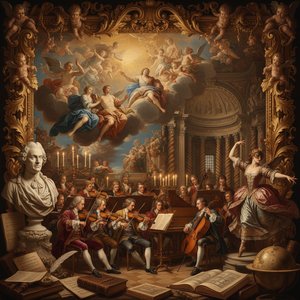
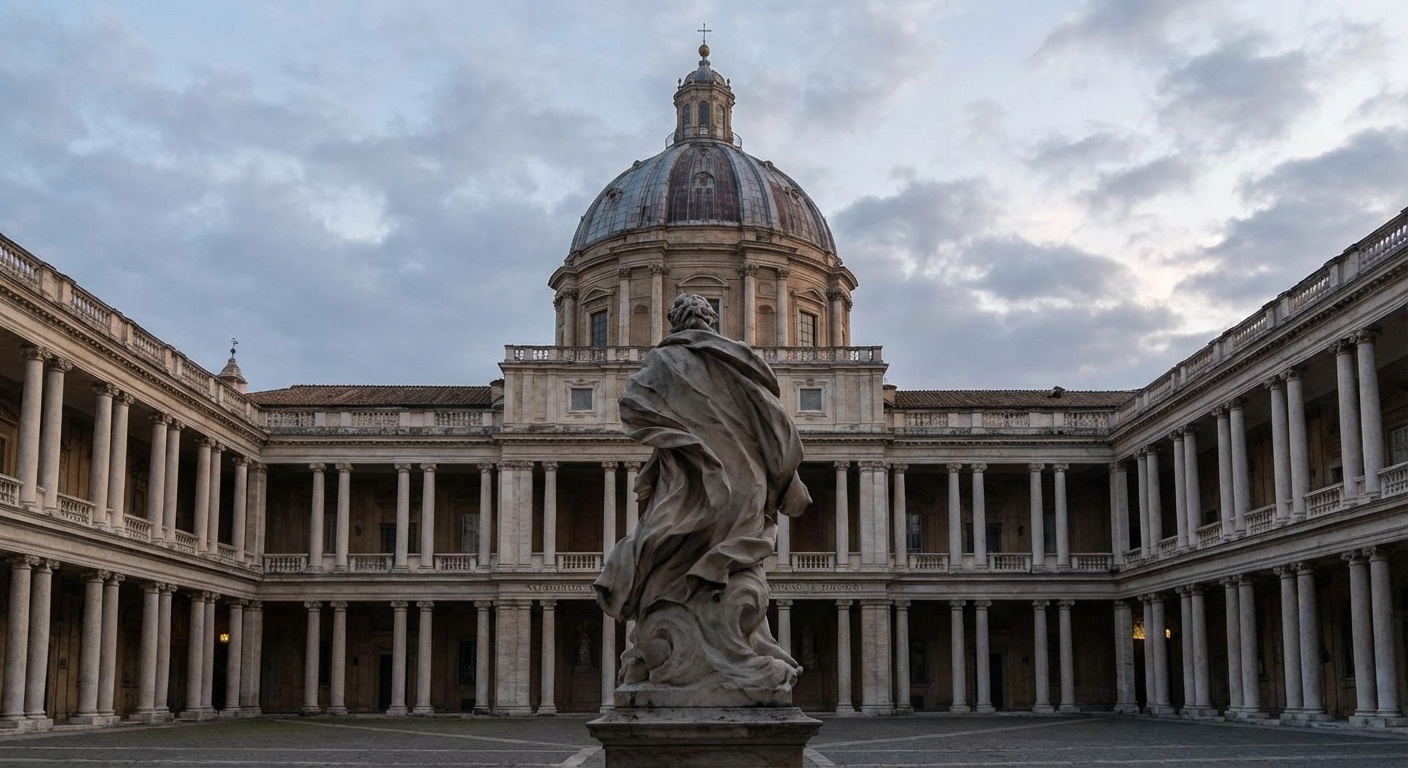
The 17th century was a period of profound upheaval and transformation, indelibly shaping the artistic landscape we now know as the Baroque era. To understand the emergence of Baroque Classicism – that compelling synthesis of drama and order – one must first acknowledge the powerful forces at play: the Counter-Reformation and the rise of absolutist monarchies. Following the Protestant Reformation’s challenge to papal authority, the Catholic Church embarked on a vigorous campaign to reaffirm its dominance, not through theological debate alone, but through an overwhelming display of artistic splendor. This wasn't merely decoration; it was a calculated strategy to evoke piety, inspire awe, and visually demonstrate the power and legitimacy of the Church. Simultaneously, across Europe, monarchs consolidated their rule, commissioning grand palaces and artworks to project an image of strength, wealth, and divine right. This convergence – religious fervor and political ambition – fueled a demand for art that was both emotionally stirring and intellectually compelling.
The artistic climate preceding the Baroque, Mannerism, with its emphasis on artificiality and elegance, began to feel insufficient. The need arose for an aesthetic that could directly engage the viewer, communicate complex ideas, and inspire genuine belief. This desire wasn’t a rejection of Renaissance ideals entirely; rather, it was a dynamic reinterpretation, embracing classical principles but infusing them with heightened emotion, dynamism, and theatricality.
Defining Baroque Classicism: A Synthesis of Opposites
Classicism, in the arts, refers generally to a high regard for a classical period, classical antiquity in the Western tradition, as setting standards for taste which the classicists seek to emulate. In its purest form, classicism is an aesthetic atti...
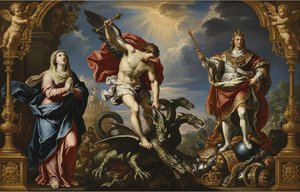
Baroque Classicism isn't a contradiction in terms, but a fascinating tension. It represents an attempt to reconcile the clarity, balance, and proportion prized by classical art with the emotional intensity, dynamism, and grandeur that characterized the burgeoning Baroque style. Think of it as taking the solid foundations of Renaissance form and setting them ablaze with passion. While earlier Renaissance works often sought idealized beauty and harmonious compositions, Baroque Classicism embraced a more complex reality – one filled with conflict, suffering, and spiritual ecstasy. This is evident in the treatment of light and shadow, known as chiaroscuro, which became a defining feature. Artists didn’t shy away from depicting intense emotions; instead, they used dramatic lighting and dynamic compositions to amplify them.
The key lies in understanding that Baroque Classicism wasn't about abandoning classical principles but *reimagining* them. Classical subject matter – mythological scenes, biblical narratives, portraits of nobility – remained popular, but were rendered with a new level of realism, emotional depth, and theatrical flair. The emphasis shifted from static perfection to dynamic movement, from intellectual contemplation to visceral experience.
Key Characteristics: Grandeur, Emotion, and Illusionistic Space
Several characteristics define the visual language of Baroque Classicism. Grandeur is perhaps the most immediately apparent – a sense of scale and opulence intended to overwhelm the senses. This was achieved through monumental compositions, lavish ornamentation, and the use of rich materials like gold leaf and vibrant pigments. Equally important is the emphasis on emotion. Artists sought to evoke a powerful response in the viewer, whether it be religious fervor, awe, or even terror. This emotional intensity was often conveyed through dramatic gestures, expressive faces, and dynamic compositions.
Illusionistic space is another hallmark of the style. Baroque artists were masters of perspective and foreshortening, creating paintings that seemed to extend beyond the canvas, blurring the boundaries between reality and illusion. Ceiling frescoes, in particular, became elaborate spectacles, depicting scenes that appeared to open up into vast, heavenly realms. This wasn’t simply about technical skill; it was about creating a sense of immersion, drawing the viewer into the artwork and fostering a deeper connection with the subject matter.
Master Artists & Their Works: Caravaggio, Rubens, and Zurbarán
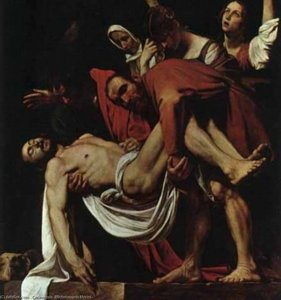
No discussion of Baroque Classicism would be complete without acknowledging its key practitioners. Michelangelo Merisi da Caravaggio, though controversial in his time, revolutionized painting with his dramatic use of chiaroscuro and unflinching realism. Works like “The Entombment” (detail) showcase his ability to convey profound emotion through stark contrasts of light and shadow and the raw humanity of his figures. His influence was immense, inspiring a generation of artists known as the Caravaggisti.
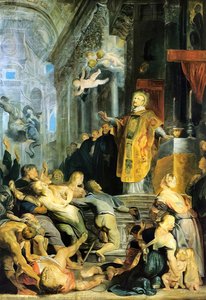
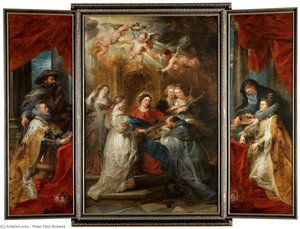
Peter Paul Rubens, the Flemish master, epitomized Baroque dynamism and exuberance. His paintings are characterized by their rich colors, voluptuous forms, and energetic compositions. “Venus and Adonis” exemplifies his mastery of classical subject matter infused with a distinctly Baroque sensibility. Rubens’s ability to capture movement and emotion was unparalleled.
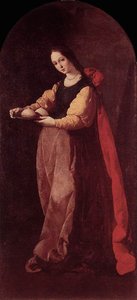
Francisco de Zurbarán, working in Spain, brought a unique spiritual intensity to the style. His paintings often depict monks, saints, and religious scenes with a profound sense of austerity and devotion. “Santa Faz” is a stunning example of his meticulous detail and ability to convey inner piety through subtle nuances of light and shadow.
The Enduring Legacy: Influence on Subsequent Art Movements
The impact of Baroque Classicism extended far beyond the 17th century, influencing subsequent art movements for generations. The emphasis on emotion, dynamism, and theatricality paved the way for Rococo, with its playful elegance and decorative flourishes. Furthermore, the dramatic use of light and shadow continued to inspire artists throughout the Romantic period and beyond.
The principles of Baroque Classicism – grandeur, emotional intensity, and illusionistic space – continue to resonate in contemporary art and design. From film and theater to architecture and advertising, the legacy of this remarkable era is undeniable. Exploring works from this period offers not only a glimpse into the past but also a deeper understanding of the enduring power of art to shape our perceptions and evoke profound emotions.
Exploring Baroque Collections at ArtsDot.com
At ArtsDot.com, we are passionate about making the masterpieces of history accessible to everyone. Our collection features stunning reproductions of works by Caravaggio, Rubens, Zurbarán, and many other leading artists of the Baroque era. Each painting is meticulously handcrafted by skilled artisans using traditional techniques, ensuring exceptional quality and authenticity.
Whether you’re seeking a dramatic centerpiece for your home or a thoughtful gift for an art enthusiast, ArtsDot offers a wide range of options to suit every taste and budget. Browse our collection today and discover the captivating world of Baroque Classicism! We offer custom reproductions, allowing you to create a unique artwork tailored to your specific preferences. Experience the beauty and power of these timeless masterpieces with ArtsDot.