The Rise of Rococo: A World of Aristocratic Indulgence
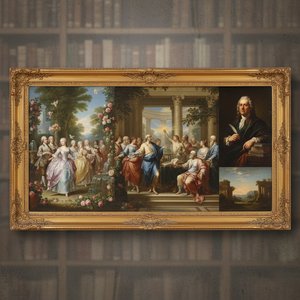
Rococo painting represents the expression in painting of an aesthetic movement that flourished in Europe between the early and late 18th century, migrating to America and surviving in some regions until the mid-19th century. The painting of this move...
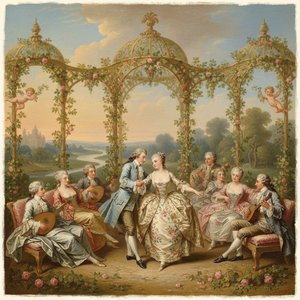
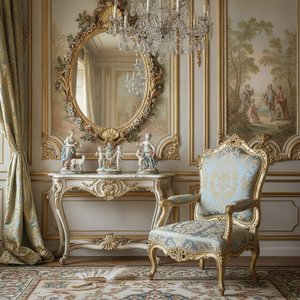
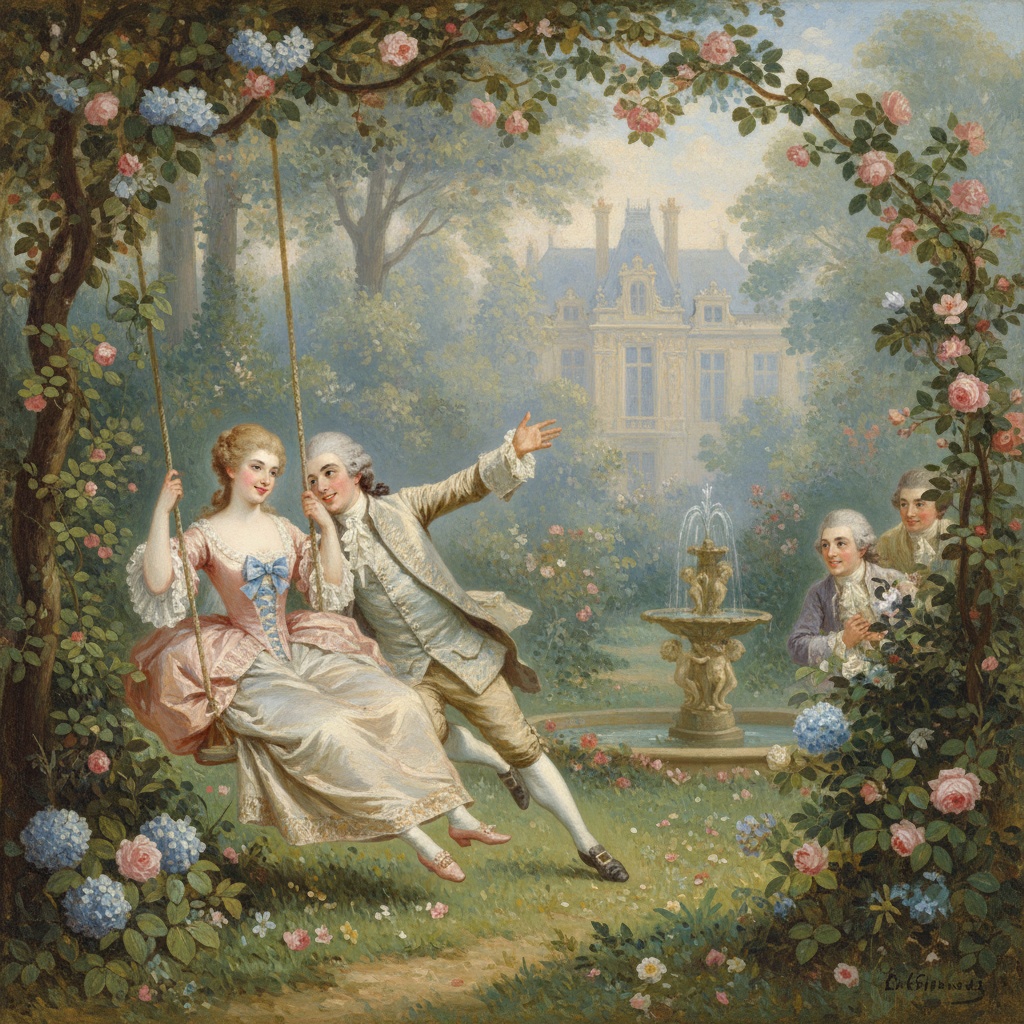
The early 18th century witnessed a dramatic shift away from the grandeur and formality of the Baroque era, giving rise to the Rococo style – a movement synonymous with aristocratic leisure, playful elegance, and an unabashed celebration of pleasure. Born in the opulent salons of Paris, Rococo wasn’t merely an artistic style; it was a reflection of a society increasingly detached from the weighty concerns of state and deeply immersed in personal enjoyment. Following the long reign of Louis XIV, the French court abandoned the rigid protocols of Versailles for more intimate settings, fostering a demand for art that mirrored their newfound freedom and frivolity. This wasn’t about power or religious devotion; it was about beauty, grace, and the pursuit of *joie de vivre*. The Rococo aesthetic favored delicate ornamentation, pastel colors, asymmetrical designs, and themes centered around love, mythology, and idyllic landscapes – a deliberate departure from the imposing scale and dramatic intensity of its predecessor. It was an art designed to delight, to charm, and to transport viewers to a world of fantasy and refined sensuality.
Fragonard's Early Life & Influences: From Boucher to Italian Inspiration
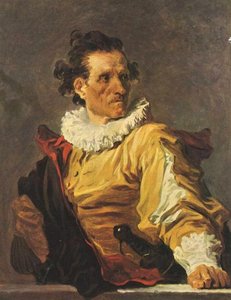 Portrait of Man (The Warrior)
Discover Fragonard's 'Portrait of Man (The Warrior,' a captivating Rococo masterpiece. Admire the warrior's confident gaze and elegant attire in this stunning oil painting.
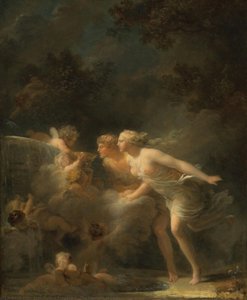
Jean-Honoré Fragonard, born in Grasse in 1732, emerged as one of the most celebrated exponents of this Rococo sensibility. His artistic journey began under the tutelage of François Boucher, the official painter to Louis XV and a master of the genre. Boucher’s influence is readily apparent in Fragonard's early works – a penchant for mythological subjects rendered with exquisite color and delicate brushwork. However, Fragonard wasn’t content to simply replicate his mentor’s style. In 1756, he secured the prestigious Prix de Rome scholarship, granting him the opportunity to study at the French Academy in Rome. This period proved transformative. Immersed in the art of the Italian Renaissance and Baroque masters – particularly Rubens and Tiepolo – Fragonard developed a unique artistic voice characterized by a looser, more dynamic brushstroke and an increased emphasis on vibrant color. He absorbed the energy and theatricality of Italian painting, blending it with Boucher’s refined elegance to create a style that was distinctly his own. The lush gardens and romantic ruins he encountered during his travels would become recurring motifs in his later works, evoking a sense of idyllic escape and sensual abandon.
Intimacy and Eroticism: Decoding Fragonard’s Signature Style
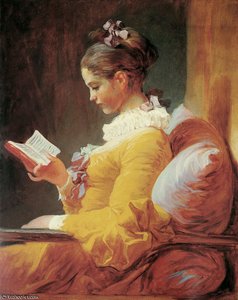
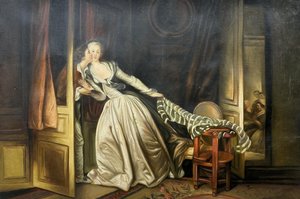
Fragonard quickly distinguished himself with an ability to capture the nuances of human emotion – particularly those associated with love and desire. His paintings are rarely grand historical narratives; instead, they focus on intimate moments, stolen glances, and playful encounters. He possessed a remarkable talent for portraying the subtle gestures and expressions that reveal hidden passions and unspoken desires. This is not to say his work was overtly scandalous, but rather imbued with a veiled eroticism – a sense of suggestion and intrigue that captivated his aristocratic patrons. Figures are often depicted in lush settings, adorned in billowing silks and delicate fabrics, their poses conveying both vulnerability and allure. His brushwork is remarkably fluid and expressive, creating a shimmering surface that enhances the sensuality of his subjects. He wasn’t interested in precise anatomical accuracy or realistic detail; instead, he prioritized atmosphere, emotion, and the overall impression of beauty and grace. The artist's mastery of color – particularly his use of pastel shades and delicate highlights – further contributes to the dreamlike quality of his paintings.
The Progress of Love Series: A Commission for Madame du Barry
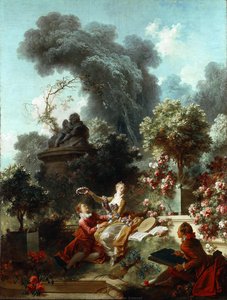
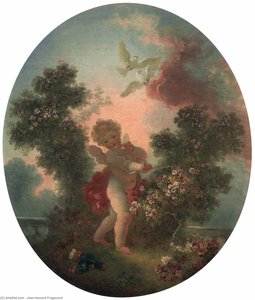
Perhaps Fragonard’s most iconic work is *The Progress of Love*, a series of four large-scale panels commissioned by Madame du Barry, Louis XV’s celebrated mistress. These paintings – *The Meeting*, *The Confession*, *The Discreet Charm*, and *Reverie* – depict the various stages of a romantic relationship, from initial attraction to blissful union. Originally intended for her pleasure pavilion at Val-de-Loups, the series showcases Fragonard’s signature style in its full glory. The panels are filled with lush foliage, playful allegorical figures, and exquisitely dressed lovers engaged in clandestine encounters. *The Meeting*, in particular, exemplifies the Rococo aesthetic – a young man scaling a ladder to meet his beloved amidst a dense garden setting, while Cupid mischievously oversees their rendezvous. However, Madame du Barry ultimately rejected the series, perhaps finding its overt sensuality too explicit for her tastes. Regardless of the reason, this loss proved to be art history’s gain, as these panels remain enduring symbols of Rococo elegance and romantic intrigue. They offer a fascinating glimpse into the world of 18th-century aristocratic desire and the complex relationship between art, patronage, and social conventions.
Beyond the Boudoir: Portraits and Landscapes in Fragonard's Oeuvre
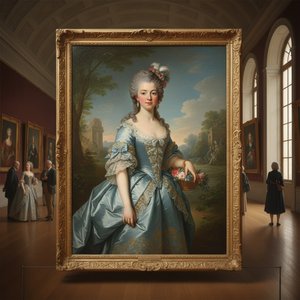
While Fragonard is best known for his intimate genre scenes, his artistic output extended beyond the boudoir. He also produced a significant number of portraits, capturing the likenesses of prominent members of French society with characteristic grace and sensitivity. Works like *Marie Emilie Coignet de Courson with a Dog* demonstrate his ability to convey both physical resemblance and psychological depth. His portraits are not merely representations of outward appearance; they offer insights into the personality and social status of his sitters. Furthermore, Fragonard’s landscapes – often serving as backdrops for his genre scenes – reveal a deep appreciation for nature's beauty. He captured the idyllic charm of the French countryside with delicate brushwork and vibrant color, creating settings that evoke a sense of tranquility and escape. These landscapes are not simply decorative elements; they play an integral role in establishing the mood and atmosphere of his paintings.
Fragonard's Legacy: The Enduring Appeal of Rococo Charm
Despite falling out of favor during the Neoclassical period, Fragonard’s work experienced a revival in the 19th century. His paintings were rediscovered by collectors and critics who appreciated their exquisite beauty, playful sensuality, and masterful technique. Today, Jean-Honoré Fragonard is celebrated as one of the most important artists of the Rococo era – a master of capturing the fleeting moments of love, leisure, and pleasure that defined an age. His paintings continue to captivate audiences with their delicate charm, vibrant color, and enduring appeal. ArtsDot offers stunning reproductions of Fragonard’s masterpieces, allowing you to bring the elegance and beauty of 18th-century France into your own home. Explore our collection today and discover the timeless allure of this remarkable artist – a true embodiment of Rococo charm.