
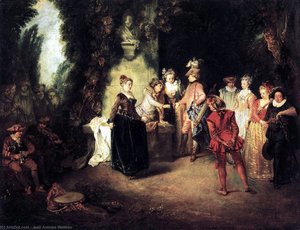
The Essence of Rococo: A Symphony of Light, Pastel, and Playfulness
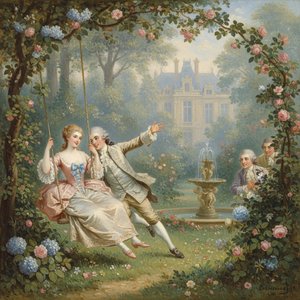
To step into the world of the Rococo is to enter a realm where gravity seems suspended by the sheer lightness of spirit. Emerging in the early 18th century as a reaction against the heavy, imposing grandeur of the Baroque, the Rococo movement—or Roco, signifying shell-like curves—introduced a breath of fresh, perfumed air to the French court. It was an era defined not by the rigid dictates of power, but by the pursuit of pleasure, intimacy, and an almost ethereal grace. The palette shifted from the deep, dramatic shadows of the previous century toward a luminous spectrum of pastels: rose pinks, mint greens, sky blues, and creamy ivories that seemed to capture the very essence of dawn.
This movement was fundamentally an aesthetic of movement and organic fluidity. Where the Baroque sought to overwhelm the viewer with monumental scale, the Rococo invited them into a delicate dance of asymmetrical curves and intricate ornamentation. There is a profound sense of lightness in every brushstroke, a feeling that the subjects—whether aristocratic lovers or mythological deities—are caught in a moment of effortless joy. It is an art form that celebrates the ephemeral beauty of a summer afternoon, the soft flicker of candlelight, and the subtle flirtation of a glance, creating a sensory experience that remains as intoxicating today as it was in the salons of Paris.
Masters of the Fête Galante: From Watteau’s Grace to Fragonard’s Charm
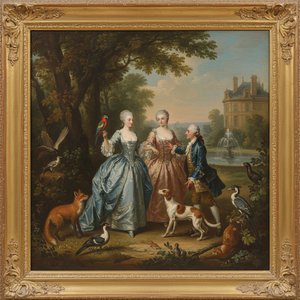
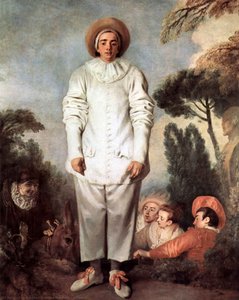
At the heart of this movement lies the fête galante, a genre of painting specifically designed to depict the elegant outdoor festivities of the aristocracy. No artist captured the soul of this genre with more profound melancholy and grace than Jean-Antoine Watteau. In masterpieces such as "The Music Lesson" and "The Champs Élysées," Watteau invites us into idyllic, dreamlike landscapes where figures move with a rhythmic, balletic poise. His work possesses a unique emotional depth; beneath the surface of social harmony, there is often a subtle, poetic longing—a recognition that such moments of perfection are fleeting.
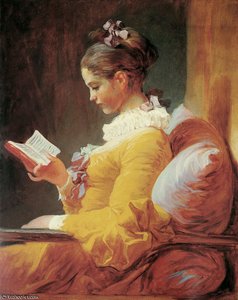
As the movement progressed, the playful energy intensified through the hands of Jean-Honoré Fragonard. If Watteau provided the soul, Fragonard provided the heartbeat. His work, exemplified by the iconic "Blindman’s Buff," radiates a sense of mischievous delight and exuberant vitality. The brushwork in Fragoniente's compositions is often more fluid and spontaneous, mirroring the uninhibited joy of his subjects. Alongside him, artists like François Boucher brought a lush, sensual dimension to the era, seen in works such as "Rinaldo and Armida," where mythological drama is softened by the exquisite textures of silk, skin, and light. Together, these masters crafted a visual language that transformed the canvas into a stage for the most refined human emotions.
The Art of Ornamentation: Curating Rococo Elegance in Modern Interiors
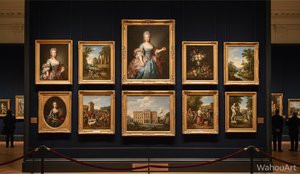
For the discerning collector and interior designer, integrating Rococo elements into a contemporary space is an exercise in sophisticated curation. The challenge lies not in replicating a period room, but in utilizing the movement's inherent lightness to create focal points of unparalleled luxury. A single, large-scale reproduction of a Fragonard landscape can serve as a breathtaking anchor for a neutral-toned salon, providing a window into a world of color and texture that breaks the monotony of modern minimalism.
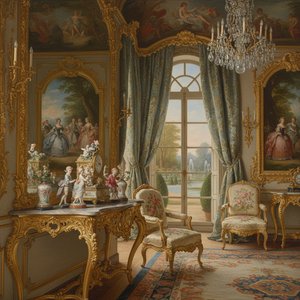
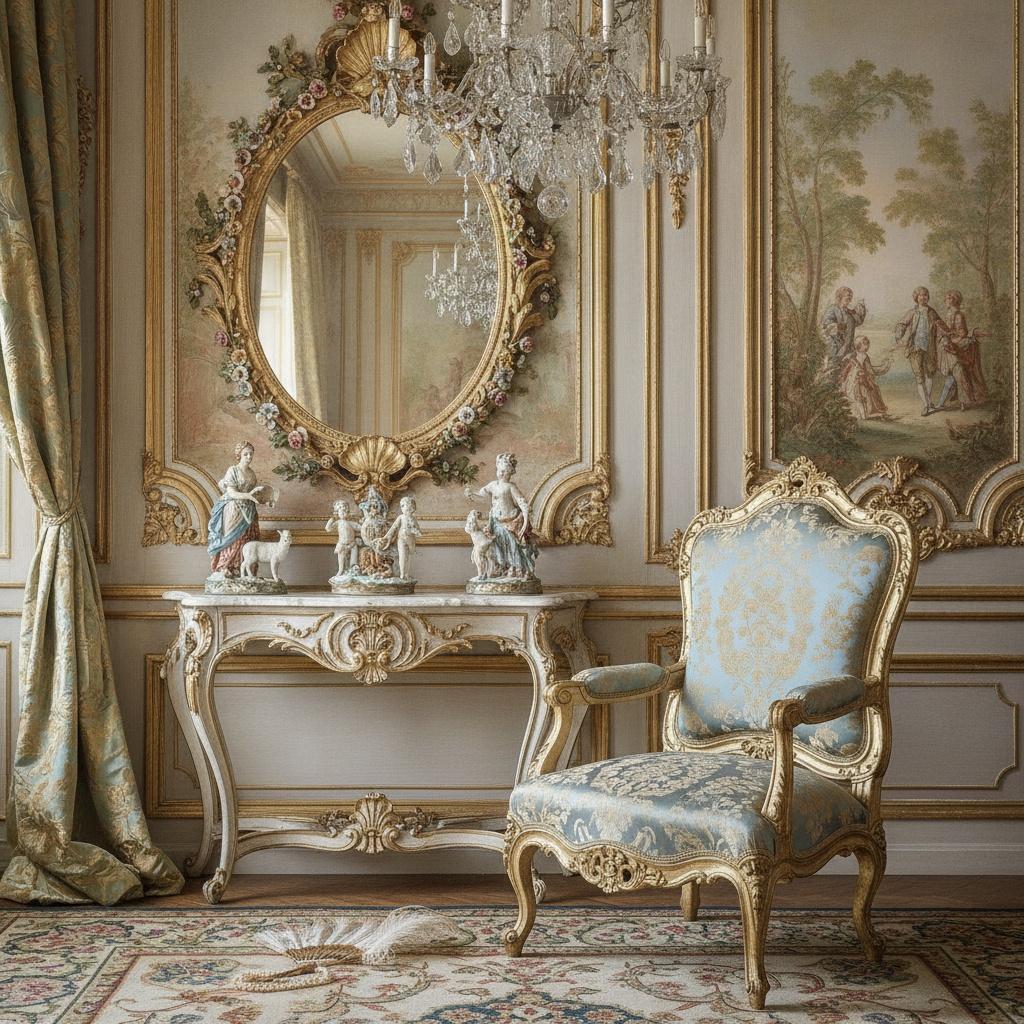
The key to achieving this balance is the interplay of light and form. Rococo art thrives when placed in environments that respect its luminosity. Consider pairing a soft, pastel-hued oil painting with contemporary architectural details like polished marble or gilded accents. The movement’s emphasis on organic shapes can be echoed through curved furniture silhouettes or intricate moldings, creating a cohesive dialogue between historical grandeur and modern refinement. When curated with restraint, Rococo art does not overwhelm; rather, it elevates the entire room, imparting an atmosphere of cultured ease and timeless prestige.
Beyond the Canvas: The Intertwined Legacy of Rococo Painting and Decorative Arts
It is impossible to truly understand Rococo painting without acknowledging its inseparable bond with the decorative arts. In the 18th century, there was no distinction between the fine art on the walls and the exquisite objects within the room. The same swirling motifs, known as rocaille, that adorned a canvas were found etched into silver tea services, carved into gilded wood paneling, and woven into luxurious tapestries. This total aesthetic unity—the Gesamtkunstwerk of its time—ensured that every sensory encounter within an aristocratic residence was harmonized.
This era saw an unprecedented level of craftsmanship in porcelain, furniture, and textiles. The delicate floral patterns found in Rococo silks mirrored the botanical accuracy seen in landscape paintings, while the use of gold leaf in cabinetry provided a luminous backdrop for the soft tones of the artwork. For the modern enthusiast, this legacy offers endless inspiration. By appreciating the movement as a holistic design philosophy, one can curate spaces where the boundaries between painting, sculpture, and architecture dissolve into a singular, magnificent expression of beauty.
Preserving Grandeur: The Timeless Appeal of Hand-Painted Masterpieces
In an age dominated by digital reproduction, there remains an irreplaceable allure to the tactile reality of a hand-painted oil masterpiece. The true essence of Rococo—the way light catches a raised impasto stroke or how layers of glaze create depth in a silken gown—cannot be captured by a printer. A genuine oil reproduction on cotton canvas preserves the soul of the original, offering the visible brushwork and tonal richness that define the era's masters.
At ArtsDot.com, we are dedicated to preserving this heritage for the modern connoisseur. Our mission is to bring the grandeur of the Old Masters into the homes of collectors worldwide through meticulous, hand-painted reproductions. Each piece is a labor of passion, executed by artists trained in the finest academic traditions. Whether you are seeking a bespoke commission that transforms a personal memory into a Rococo-style masterpiece or looking to acquire a museum-quality reproduction of Watteau or Fragonard, our service ensures unparalleled authenticity and craftsmanship. We invite you to explore our vast collection and experience the enduring elegance of art history, meticulously recreated for your private collection.