The Rococo Context: Greuze’s Early Influences & Artistic Formation
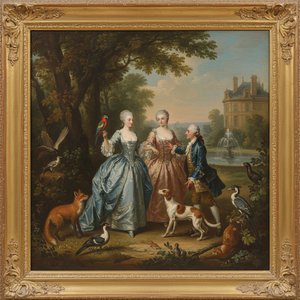
Rococo, less commonly Roccoco ( rə-KOH-koh, US also ROH-kə-KOH; French: [ʁɔkɔko] or [ʁokoko] ), also known as Late Baroque, is an exceptionally ornamental and dramatic style of architecture, art, and decoration which combines asymmetry, scrolling cu...
Jean-Baptiste Greuze emerged during a fascinating transition in French art, a period dominated by the playful elegance of the Rococo yet subtly shifting towards a more earnest sensibility. Born in 1725 in the provincial town of Tournus, his beginnings were far removed from the aristocratic circles that typically fueled artistic patronage. His father, a roofer, initially discouraged his son’s inclination toward painting, but early encouragement from a local artist named Grandon proved pivotal. This formative period instilled in Greuze a practical approach to artmaking and a keen observation of everyday life – qualities that would later distinguish his work. While he eventually sought training at the prestigious Royal Academy in Paris, it was perhaps his initial experiences outside the established system that laid the groundwork for his unique style. The Rococo’s emphasis on decorative beauty, pastel colors, and frivolous subject matter provided a backdrop against which Greuze's more grounded approach would ultimately stand out. He absorbed technical skills from masters like Charles-Joseph Natoire, but resisted fully embracing the prevailing aesthetic, hinting at a desire to explore themes beyond mere ornamentation.
A New Kind of Narrative: Genre Painting and Moralizing Anecdotes
Genre painting (or petit genre) is the painting of genre art, which depicts aspects of everyday life by portraying ordinary people engaged in common activities. One common definition of a genre scene is that it shows figures to whom no identity can b...
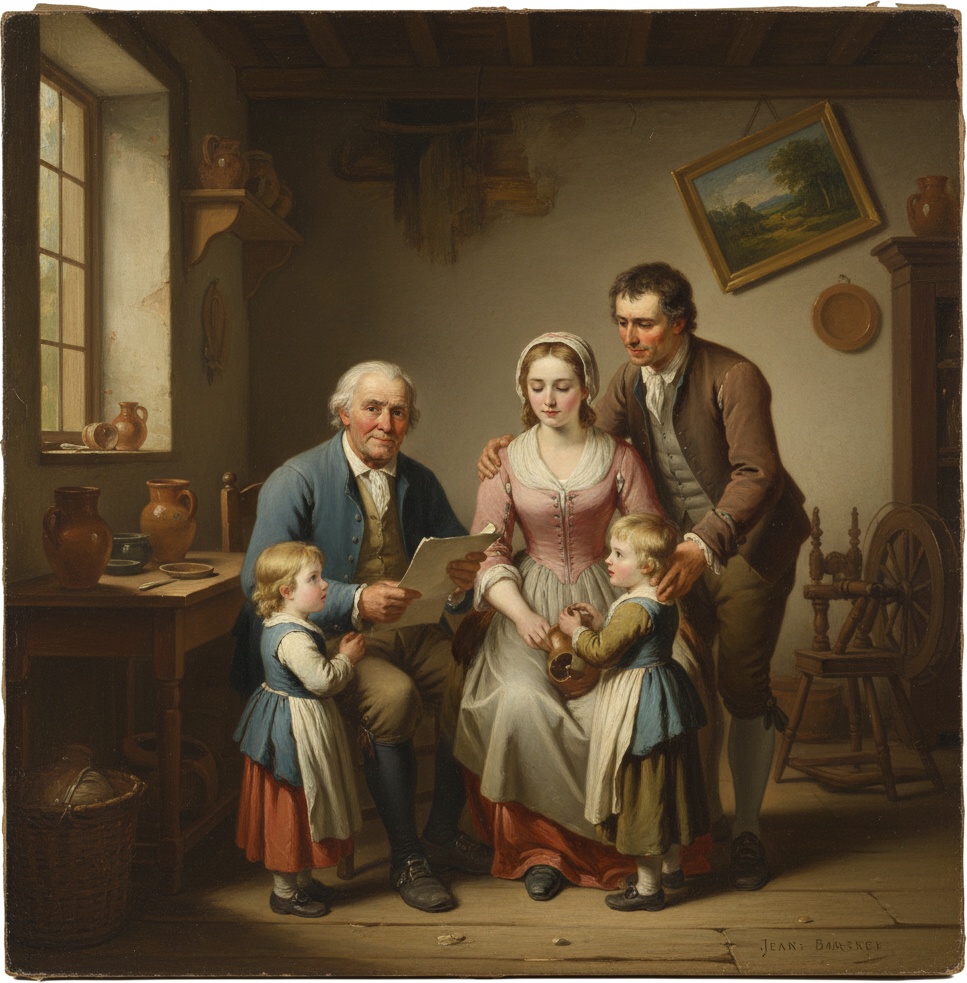
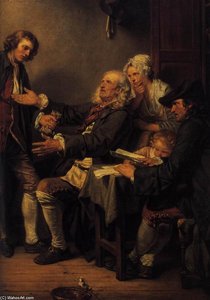
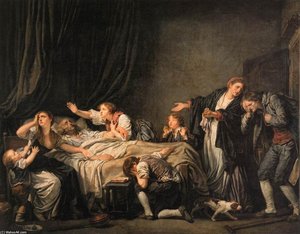
Greuze’s true innovation lay in his embrace of genre painting – depictions of ordinary people engaged in common activities. This was a radical departure from the historical and mythological subjects favored by the Academy, which prioritized grand narratives and allegorical meaning. He didn't paint gods or heroes; he painted families, lovers, and children, imbuing their everyday moments with profound emotional weight. But Greuze wasn’t simply interested in realism for its own sake. His paintings were deliberately moralizing, intended to convey lessons about virtue, duty, and the consequences of vice. *Broken Eggs* (1756), for example, isn't just a charming scene of domestic life; it subtly hints at themes of lost innocence and the dangers of temptation. This focus on “anecdotes” – small, revealing stories within his compositions – resonated deeply with an audience increasingly influenced by Enlightenment ideals, particularly those espoused by Jean-Jacques Rousseau, who championed natural emotion and moral sincerity. Greuze effectively translated these philosophical concepts into a visual language that captivated Parisian society.
Emotional Realism in Detail: Analyzing Greuze's Signature Style
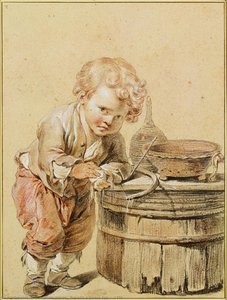
What truly set Greuze apart was his masterful ability to capture the nuances of human emotion. His figures aren’t idealized; they are remarkably lifelike, with expressions and gestures that convey a wide range of feelings – tenderness, remorse, anxiety, joy. He achieved this through meticulous attention to detail: the subtle play of light on faces, the carefully rendered textures of clothing, the expressive poses of his subjects. Unlike the airy brushwork often associated with Rococo painting, Greuze employed a more precise technique, building up layers of paint to create depth and realism. His compositions are typically intimate and focused, drawing the viewer into the emotional core of the scene. Consider *A Child with an Apple* – the boy’s innocent gaze, the delicate blush on his cheeks, the simple pleasure he derives from the fruit; these details combine to create a powerful sense of immediacy and authenticity. This commitment to portraying genuine emotion was revolutionary for its time, paving the way for a new appreciation of psychological realism in art.
Diderot’s Championing & the Salon Years: Success, Controversy, and Critical Reception
Greuze's ascent to fame was meteoric, largely thanks to the enthusiastic support of Denis Diderot, the influential philosopher and art critic. Diderot recognized Greuze’s talent early on and became his most ardent advocate, praising his ability to “endow art with morality” and create paintings that told compelling stories. His reviews of the Salon exhibitions were instrumental in establishing Greuze's reputation and attracting a loyal following. However, this success wasn’t without its challenges. The Academy remained skeptical of genre painting, viewing it as inferior to historical subjects. Despite his popularity with the public, Greuze struggled to gain full acceptance within the established art world. He attempted to demonstrate his skill in history painting with *Septimius Severus Reproaching Caracalla* (1769), but the work was met with criticism for its lack of passion and dramatic flair. This rejection led to a period of self-imposed exile from the Salon, as Greuze chose to exhibit his works privately, directly to an audience that already appreciated his unique style.
Beyond Sentimentality: Exploring Themes of Family, Virtue, and Social Commentary
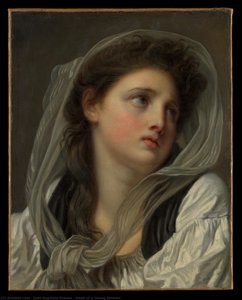
While often labeled as a “sentimental” painter, Greuze’s work is far more complex than simple emotional displays. Beneath the surface of tender domestic scenes lie subtle layers of social commentary and moral reflection. He explored themes of family relationships, parental duty, and the importance of education. Paintings like *The Village Bride* depict not just a joyous occasion but also the economic realities and social expectations surrounding marriage in 18th-century France. His portraits of young women, though sometimes criticized for their erotic undertones, can also be interpreted as explorations of female virtue and the challenges faced by women in a patriarchal society. Greuze wasn’t simply celebrating idyllic domesticity; he was prompting viewers to consider the complexities of modern life and the moral choices that shape our destinies. He presented narratives that invited introspection, encouraging audiences to reflect on their own values and behaviors.
Greuze’s Legacy: Bridging Rococo and Neoclassicism – A Lasting Impact
Jean-Baptiste Greuze occupies a unique position in art history as a transitional figure who bridged the gap between the decorative elegance of the Rococo and the emerging seriousness of Neoclassicism. While he never fully embraced the classical ideals of order and restraint, his emphasis on realism and moralizing themes paved the way for artists like Jacques-Louis David. His influence can be seen in the growing appreciation for psychological depth and narrative clarity that characterized French painting in the late 18th century. Although his popularity waned towards the end of his life, Greuze’s legacy endured. Today, his paintings continue to captivate audiences with their emotional power and insightful portrayal of everyday life. His work serves as a reminder of the enduring human desire for connection, virtue, and meaning – themes that transcend time and cultural boundaries. Discover more masterpieces like these at ArtsDot.com, where art history comes to life.