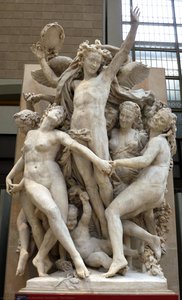
Early Life & Artistic Formation: Rude's Influence and Roman Inspiration
 Wikipedia: Jean-Baptiste Carpeaux
Jean-Baptiste Carpeaux (French pronunciation: [ʒɑ̃ batist kaʁpo]; 11 May 1827 – 12 October 1875) was a French sculptor and painter during the Second Empire under Napoleon III. == Life == Born in Valenciennes, Nord, son of a mason, his early studies...
Jean-Baptiste Carpeaux, born in Valenciennes in 1827, emerged from a modest background – his father was a mason – into a world poised between Neoclassical tradition and the burgeoning Realist movement. His early artistic education under François Rude, the sculptor of the powerful figures adorning the Arc de Triomphe, proved foundational. Rude instilled in him a passion for dynamic form and expressive energy, qualities that would become hallmarks of Carpeaux’s own style. However, it was his triumph in winning the prestigious Prix de Rome in 1854 that truly set his trajectory. The award granted him residency at the Villa Medici in Rome from 1856 to 1862, a period of intense study and transformation.
Rome proved to be a crucible for Carpeaux’s artistic development. Immersed in the masterpieces of Michelangelo, Donatello, and Verrocchio, he began to move away from the rigid academic constraints he had known. He found himself captivated not merely by technical skill but by the raw emotion and psychological depth present in Italian Renaissance sculpture. This fascination with movement, spontaneity, and a heightened sense of realism would define his subsequent work, setting him apart from many of his contemporaries who remained tethered to more classical ideals.
Realism, Rhythm, and Emotional Depth: Carpeaux’s Distinctive Style
 Le vieux sergent
Admire Jean-Baptiste Carpeaux’s ‘Le Vieux Sergent’. A poignant study of realism & emotion, this masterpiece captures a veteran's weathered face. Explore its timeless beauty.
Carpeaux's sculptures are immediately recognizable for their vibrant energy and palpable sense of life. He wasn’t simply replicating forms; he was capturing moments – fleeting expressions, dynamic poses, the very essence of human emotion. This pursuit led him to embrace a realism that went beyond mere anatomical accuracy. His figures possess a weightiness, a physicality that is both compelling and unsettling. He sought subjects in the streets of Rome, observing everyday people rather than relying on idealized models, infusing his work with an authenticity rarely seen at the time.
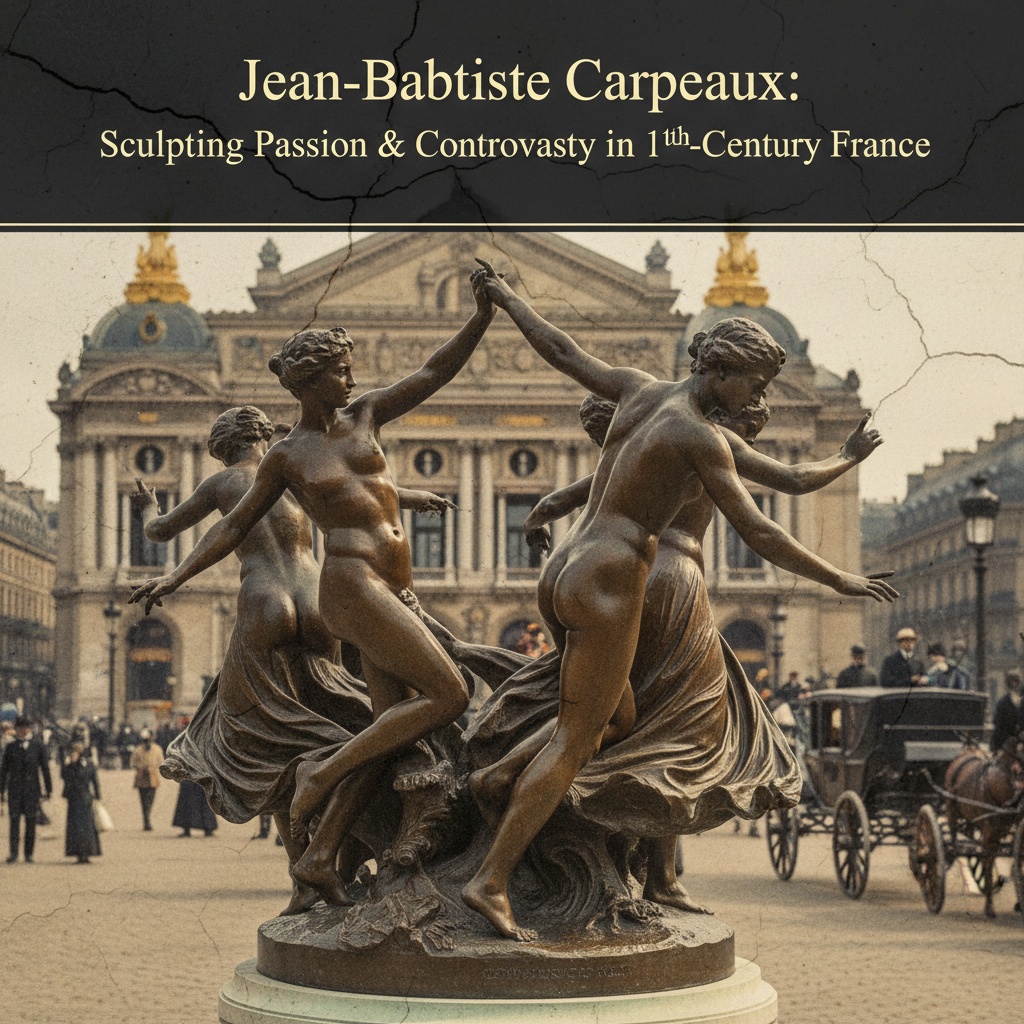
Central to Carpeaux’s style was a remarkable sense of rhythm. His compositions are often characterized by swirling lines and interconnected forms, creating a visual flow that draws the viewer's eye around the sculpture. This dynamic quality is particularly evident in works like ‘Jeunes Transteverines,’ where the figures seem caught in a lively dance, their bodies twisting and turning with unrestrained joy. He masterfully blended Baroque influences with his own unique sensibility, resulting in sculptures that are both dramatic and deeply human.
The Ugolino Group and Public Scandal: Navigating Controversy in the Second Empire
--- title: The Passions of Jean-Baptiste Carpeaux url: https://localhost:5000/exhibitions/listings/2014/carpeaux description: This major retrospective, the first full-scale exhibition in 39 years devoted to Carpeaux (1827–1875), features about 150 wo...
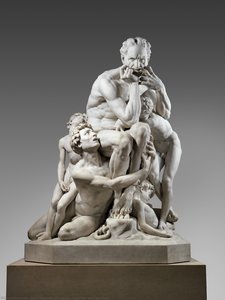
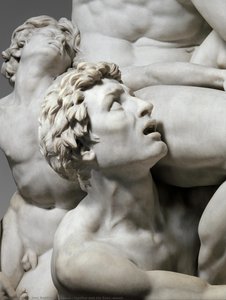
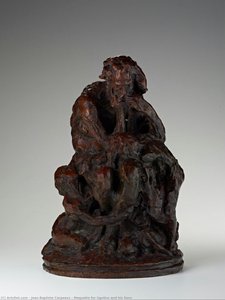
Perhaps Carpeaux’s most famous work is ‘Ugolino and His Sons,’ a harrowing depiction of a scene from Dante's *Inferno*. The sculpture portrays the Count Ugolino della Gherardesca, imprisoned with his sons in a tower, awaiting starvation. Commissioned for the Tuileries Gardens in Paris, it initially met with fierce criticism. Its unflinching portrayal of suffering and desperation was deemed too shocking, too visceral for public display.
The controversy surrounding ‘Ugolino’ speaks volumes about the artistic climate of the Second Empire under Napoleon III. While the emperor himself was a patron of Carpeaux, societal sensibilities were often conservative. The sculpture challenged conventional notions of beauty and decorum, forcing viewers to confront uncomfortable truths about human cruelty and despair. Despite the initial backlash, ‘Ugolino’ eventually gained recognition as a masterpiece, lauded for its emotional power and technical brilliance. It remains a testament to Carpeaux's courage in tackling difficult subjects.
‘La Négresse’ and the Exploration of Race & Representation
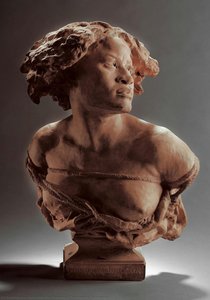 The negress (La négresse)
Explore Jean-Baptiste Carpeaux’s ‘La Négresse,’ a striking 1868 clay sculpture showcasing expressive realism & classical style. Discover this poignant portrait's texture, form, and historical significance.
Carpeaux’s 1868 clay sculpture ‘La Négresse’ is a work that continues to provoke discussion and debate. The figure, a striking portrait of a Black woman, stands as a powerful example of his expressive realism. The texture of the clay itself seems to convey the weight of history and experience, while her gaze possesses an undeniable strength and dignity.
However, it’s crucial to acknowledge the complex historical context surrounding this work. Created during a period of colonialism and racial prejudice, ‘La Négresse’ has been interpreted in various ways – as a sympathetic portrayal of Black womanhood, or as perpetuating harmful stereotypes. Regardless of interpretation, the sculpture remains a poignant reminder of Carpeaux's willingness to engage with challenging social issues through his art. It is a work that demands careful consideration and critical analysis.
Beyond Marble: Paintings, Drawings, and a Multifaceted Talent
While celebrated primarily as a sculptor, Carpeaux was also a gifted painter and draftsman. His paintings often served as studies for his sculptures, but they are compelling works in their own right, showcasing his mastery of color, light, and composition. His drawings reveal a remarkable attention to detail and an intimate understanding of human anatomy.
Carpeaux’s versatility extended beyond these mediums as well. He was a prolific creator of reductions – smaller versions of his larger sculptures – making his work accessible to a wider audience. He also designed furniture and decorative objects, demonstrating a holistic approach to art and design. This multifaceted talent underscores his position as one of the most dynamic and innovative artists of the Second Empire.
Carpeaux's Legacy: A Precursor to Rodin and Modern Sculpture
Jean-Baptiste Carpeaux’s tragically short life – he died in 1875 at the age of 48 – belies the profound impact he had on the course of sculpture. His emphasis on realism, emotional depth, and dynamic form paved the way for artists like Auguste Rodin, who openly acknowledged his debt to Carpeaux. Rodin admired Carpeaux’s ability to capture the raw energy of human experience and his willingness to break with academic conventions.
Carpeaux's legacy extends beyond direct influence. He challenged viewers to confront uncomfortable truths about society and humanity, pushing the boundaries of artistic expression. His sculptures continue to captivate audiences today, reminding us of the power of art to provoke thought, evoke emotion, and inspire change. At ArtsDot.com, we are proud to offer high-quality reproductions of Carpeaux’s masterpieces, allowing you to experience the passion and brilliance of this remarkable artist firsthand. Explore our collection today and discover the enduring beauty of his work.