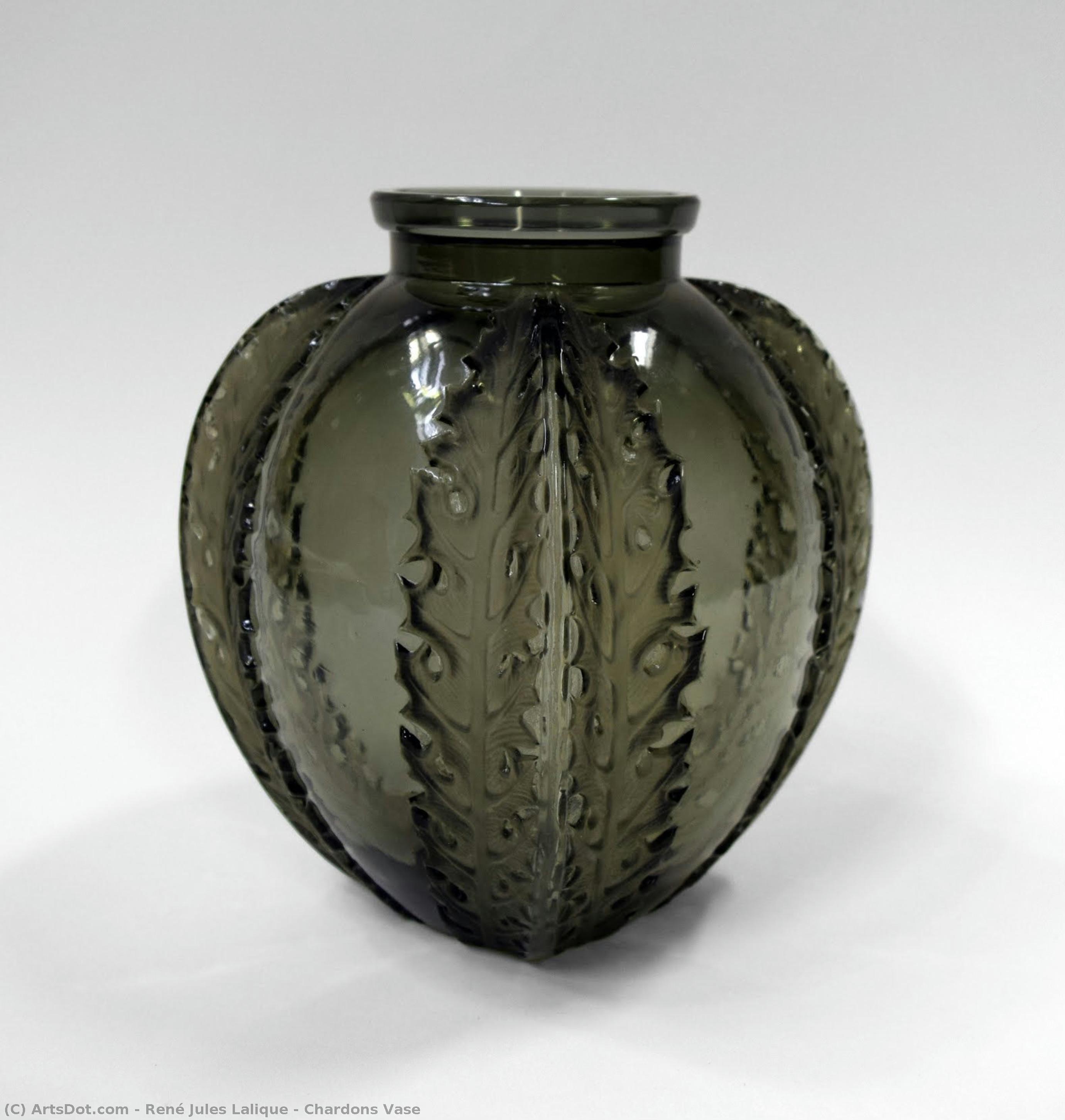
Admire René Lalique’s ‘Chardons Vase,’ a stunning Art Nouveau glass masterpiece featuring intricate etched patterns & muted gray-green hues. Explore this iconic design.
René Lalique (1860-1945) was a French jeweller & glass designer celebrated for Art Nouveau and Art Deco masterpieces. Explore his nature-inspired jewellery, perfume bottles, vases & iconic glass art.
Explore art, science & civilization at the Reading Public Museum! Discover American masterpieces, ancient artifacts, and a stunning arboretum. A unique cultural destination for all ages.
A Whisper of Champagne Blooms in Glass: Exploring Lalique’s ‘Chardons Vase’
René Jules Lalique's 'Chardons Vase,' a deceptively simple yet profoundly evocative piece of Art Nouveau glasswork, transcends mere ornamentation; it embodies the spirit of an era captivated by organic forms and delicate beauty. Created around 1903, this vase stands as a testament to Lalique’s unwavering commitment to translating the grandeur of nature into exquisite craftsmanship—a pursuit that cemented his place among the foremost artists of his time.
The Essence of Art Nouveau: Organic Inspiration
Lalique's artistic vision was deeply rooted in the prevailing aesthetic currents of Art Nouveau, which rejected industrial uniformity for flowing lines, asymmetrical compositions, and motifs drawn directly from botanical subjects. The ‘Chardons Vase’ exemplifies this ethos perfectly. Observe how swirling patterns reminiscent of vines and leaves cascade across the glass surface—a deliberate echo of the verdant landscapes surrounding Lalique's birthplace in Champagne. This stylistic choice wasn’t simply decorative; it reflected a broader philosophical belief that art should strive to capture the dynamism and interconnectedness of the natural world, mirroring the burgeoning interest in scientific observation during the Belle Époque.
Technique: Diamond Etching – A Dance Between Light and Texture
The vase's mesmerizing surface is achieved through a masterful technique known as diamond etching—a painstaking process involving applying abrasive grit to the glass using a diamond-tipped tool. This meticulous method creates incredibly detailed etched lines that penetrate the glass, resulting in a textured surface that subtly captures and refracts light. The muted gray-green hues of the vase’s design aren't merely aesthetic choices; they are carefully considered tones that harmonize with the natural palette of foliage—further emphasizing Lalique’s dedication to faithfully representing organic forms. Skilled artisans painstakingly crafted each pattern, ensuring precision and consistency across the entire piece.
Symbolism: Fragility and Renewal
Beyond its visual appeal, ‘Chardons Vase’ carries symbolic weight. Glass itself represents fragility – a poignant reminder of life's fleeting beauty—yet Lalique skillfully counters this vulnerability with motifs of renewal and growth. The interwoven vines symbolize resilience and the cyclical nature of existence, mirroring the enduring spirit of Art Nouveau itself. Furthermore, the vase’s form subtly evokes the curves of blossoming flowers, suggesting an invitation to contemplate the transformative power of natural processes.
Emotional Resonance: Capturing a Moment in Time
Ultimately, ‘Chardons Vase’ succeeds in conveying a profound emotional resonance. Its understated elegance speaks volumes about Lalique's artistic sensibilities—a desire to capture not just what is seen but also how it feels. Holding this reproduction allows one to reconnect with the spirit of Art Nouveau and appreciate the enduring legacy of a visionary artist who transformed glass into an instrument of beauty and contemplation. It’s a piece that invites viewers to pause, observe, and savor the quiet grandeur of nature's artistry.