 Preview
 Send
Send Share
Share
 Details

 Download
 Similars
 X-Ray
X-Ray Diaporama
Chardons Vase


 Read More
Hand Made Oil Reproduction
Hand-painted oil on canvas in your size and frame, made to order by our artists. ( Buy Print Buy Image)




P118B $10

P118H $10

P118W $10

P438Z $10

P508JH $12

P508YH $12

P805H $10

P805Z $10

P919BZ $10

P919G $10

P919XJ $10

P959ZH $10

P968JZ $12

W106C $8

W218G $10

W218JH $8

W218Y $10

W307PJ $10

W316G $10

W316PJ $8

W316Y $10

W398PJ $8

W4111J $10

W500HY $15

W500JH $15

W692G $12

W849H $8

W940BG $15

W953PJ $8




Pick from our preset sizes that match the artwork's original proportions.

You may enter your own dimensions to fit a specific frame or space. If your selected size does not match the original image's proportions, we will either crop the artwork or extend the painting with additional hand-painted elements. A digital mockup will be sent for your approval before production begins.
Please note that the on-screen preview does not reflect the actual cropping or extension. Only the mockup will accurately show the final composition.
While custom sizes are available, we recommend selecting a dimension from the predefined list to preserve the original proportions.
After order, ArtsDot.com team will email client for instructions and provide a mockup preview
Worldwide Delivery () in 3/4 weeks instead of standard 5 weeks. (16 August). No compromise on quality.

Free Worldwide Express Shipping

High-Quality Linen Canvas

Full Shipping Insurance

Customs Tax Refund Guarantee

True Color Matching Guarantee

60-Day Return Policy (Defects Only)

100% Money-Back Guarantee

Bulk Discount Offer
 Glass option is only available in size under 110 CM

Chardons Vase
Reproduction Medium
Reproduction Size
-


Total Price
$ 263
Artwork Description
A Whisper of Champagne Blooms in Glass: Exploring Lalique’s ‘Chardons Vase’
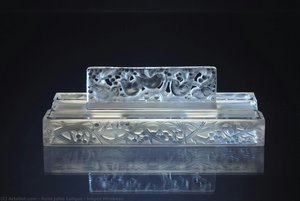
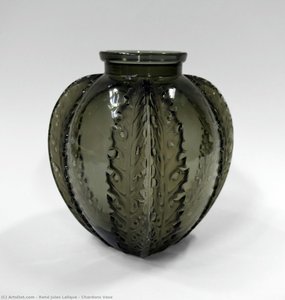
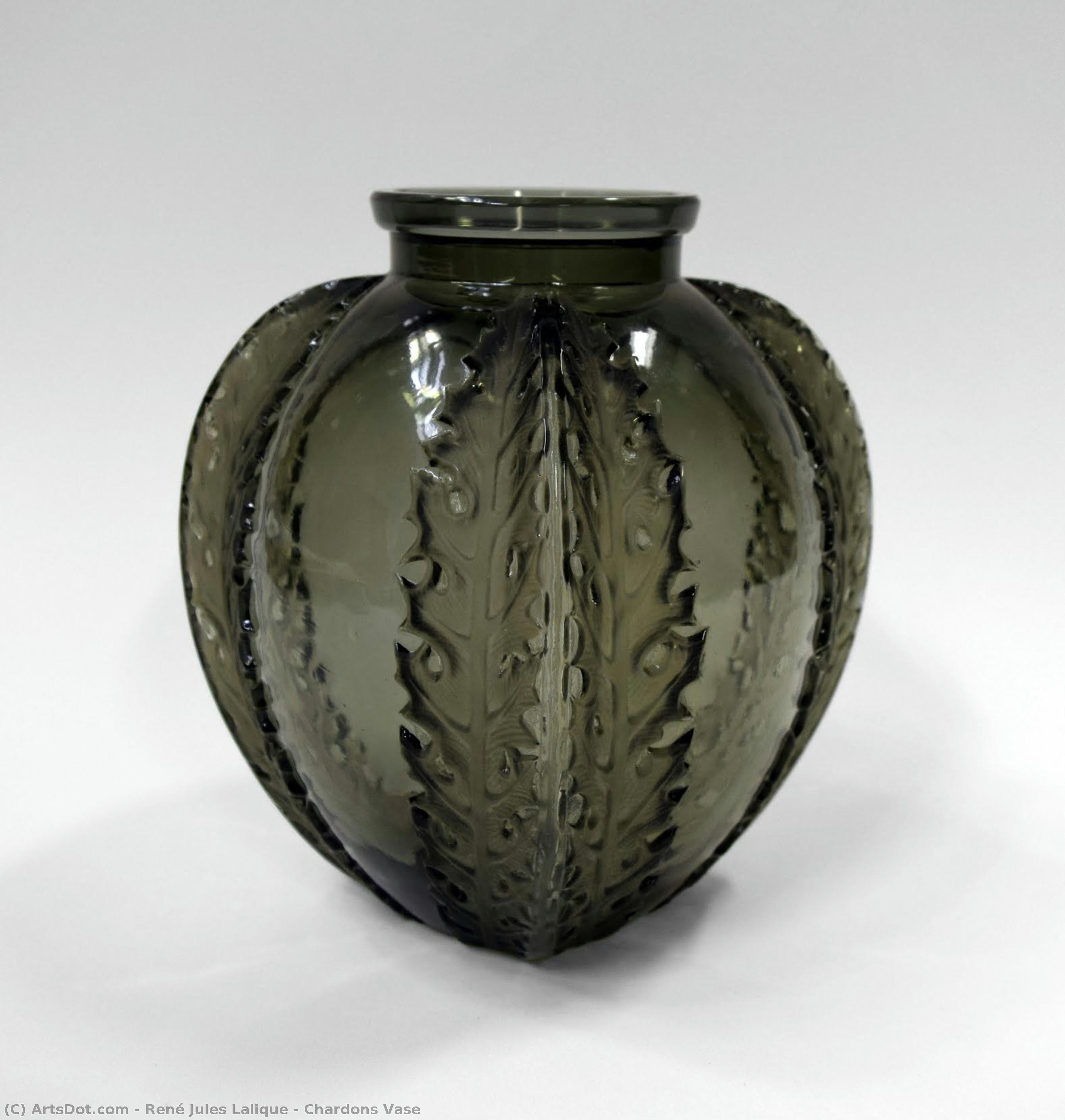
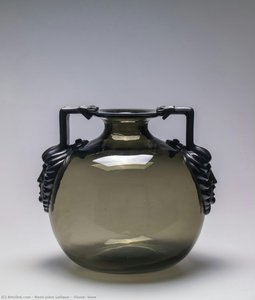
René Jules Lalique's 'Chardons Vase,' a deceptively simple yet profoundly evocative piece of Art Nouveau glasswork, transcends mere ornamentation; it embodies the spirit of an era captivated by organic forms and delicate beauty. Created around 1903, this vase stands as a testament to Lalique’s unwavering commitment to translating the grandeur of nature into exquisite craftsmanship—a pursuit that cemented his place among the foremost artists of his time.The Essence of Art Nouveau: Organic Inspiration
Lalique's artistic vision was deeply rooted in the prevailing aesthetic currents of Art Nouveau, which rejected industrial uniformity for flowing lines, asymmetrical compositions, and motifs drawn directly from botanical subjects. The ‘Chardons Vase’ exemplifies this ethos perfectly. Observe how swirling patterns reminiscent of vines and leaves cascade across the glass surface—a deliberate echo of the verdant landscapes surrounding Lalique's birthplace in Champagne. This stylistic choice wasn’t simply decorative; it reflected a broader philosophical belief that art should strive to capture the dynamism and interconnectedness of the natural world, mirroring the burgeoning interest in scientific observation during the Belle Époque.Technique: Diamond Etching – A Dance Between Light and Texture
The vase's mesmerizing surface is achieved through a masterful technique known as diamond etching—a painstaking process involving applying abrasive grit to the glass using a diamond-tipped tool. This meticulous method creates incredibly detailed etched lines that penetrate the glass, resulting in a textured surface that subtly captures and refracts light. The muted gray-green hues of the vase’s design aren't merely aesthetic choices; they are carefully considered tones that harmonize with the natural palette of foliage—further emphasizing Lalique’s dedication to faithfully representing organic forms. Skilled artisans painstakingly crafted each pattern, ensuring precision and consistency across the entire piece.Symbolism: Fragility and Renewal
Beyond its visual appeal, ‘Chardons Vase’ carries symbolic weight. Glass itself represents fragility – a poignant reminder of life's fleeting beauty—yet Lalique skillfully counters this vulnerability with motifs of renewal and growth. The interwoven vines symbolize resilience and the cyclical nature of existence, mirroring the enduring spirit of Art Nouveau itself. Furthermore, the vase’s form subtly evokes the curves of blossoming flowers, suggesting an invitation to contemplate the transformative power of natural processes.Emotional Resonance: Capturing a Moment in Time
Ultimately, ‘Chardons Vase’ succeeds in conveying a profound emotional resonance. Its understated elegance speaks volumes about Lalique's artistic sensibilities—a desire to capture not just what is seen but also how it feels. Holding this reproduction allows one to reconnect with the spirit of Art Nouveau and appreciate the enduring legacy of a visionary artist who transformed glass into an instrument of beauty and contemplation. It’s a piece that invites viewers to pause, observe, and savor the quiet grandeur of nature's artistry.Related Artworks
Artist Biography
A Life Forged in Beauty: The World of René Lalique
René Jules Lalique, a name synonymous with the ethereal beauty of Art Nouveau and the sleek elegance of Art Deco, was more than just a jeweller or glass designer—he was an innovator, a poet of materials, and a true artist who redefined luxury for his time. Born in Aÿ, France, on April 6th, 1860, Lalique’s journey began amidst the rolling hills of Champagne, a landscape that would forever imprint itself upon his artistic sensibility. Early summers spent with his maternal grandparents instilled within him a deep reverence for nature, a theme that would become utterly central to his creations. This idyllic upbringing was disrupted by a move to the Parisian suburbs, yet the memory of Aÿ remained potent, fueling his later naturalistic glasswork and imbuing it with an organic grace. The untimely death of his father propelled young René into apprenticeship with goldsmith Louis Aucoc, setting him on a path that would ultimately revolutionize both jewellery and glass artistry. He further honed his skills at the École des Arts Décoratifs in Paris and even ventured to London for studies at the Crystal Palace School of Art, absorbing diverse influences that shaped his unique aesthetic vision.From Jewellery to Glass: A Revolutionary Aesthetic
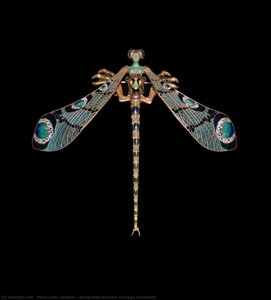
Lalique’s early career blossomed as a freelance designer for prominent French jewelry houses like Cartier and Boucheron during the 1880s. However, it was in 1890, with the opening of his own boutique in Paris' Opéra district, that Lalique truly began to forge his distinctive style. He swiftly became known for rejecting the prevailing opulent aesthetic, favoring instead a more organic and imaginative approach. He wasn’t interested merely in showcasing precious stones; he sought to elevate materials often considered secondary – horn, ivory, enamel, and crucially, glass – to equal status with diamonds and rubies. This was revolutionary. His jewelry became miniature sculptures, teeming with life: dragonflies with iridescent wings crafted from plique-à-jour enamel, orchids rendered in delicate gold filigree, peacocks displaying their plumage in vibrant gemstones. These weren’t simply adornments; they were wearable works of art, imbued with a sense of movement and naturalism rarely seen before. His designs resonated deeply with the spirit of Art Nouveau, embracing flowing lines, organic forms, and a celebration of the feminine form. He quickly garnered a devoted clientele, including celebrated actress Sarah Bernhardt, who commissioned numerous pieces that reflected her own dramatic persona.The Allure of Glass: A New Artistic Horizon
While Lalique’s jewelry established his reputation, it was his exploration of glass that cemented his legacy. His collaboration with perfumer François Coty in 1907 proved pivotal. Coty commissioned Lalique to design bottles for his perfumes, recognizing the potential to elevate fragrance presentation beyond simple functionality. This partnership marked a turning point, leading Lalique to dedicate himself increasingly to glassmaking. He acquired the Verrerie d'Alsace in 1921, allowing him to experiment with mass production techniques while maintaining artistic control. This wasn’t about creating cheap imitations; it was about making beauty accessible. The Art Deco era saw Lalique’s glasswork reach new heights of sophistication. He moved away from the flowing curves of Art Nouveau towards more geometric forms and streamlined designs, reflecting the modern spirit of the age. Vases, bowls, chandeliers, and even automobile hood ornaments—each piece bore the hallmark of his exquisite craftsmanship and innovative techniques like cire perdue (lost-wax casting) and frosted glass finishes. His work became synonymous with luxury and elegance, adorning the homes of discerning collectors worldwide, including Calouste Sarkis Gulbenkian, who amassed an impressive collection of over 140 Lalique pieces.A Lasting Legacy: Family, Influence, and Remembrance
René Lalique’s influence extends far beyond his own creations. He not only transformed the fields of jewelry and glass but also inspired generations of artists and designers. His daughter, Suzanne Lalique, continued the family artistic tradition as a painter and set designer for the Comédie-Française. His granddaughter, Marie Claude-Lalique, carried on the legacy of glassmaking until her death in 2003. The Maison Lalique continues to thrive today, upholding the standards of quality and artistry established by its founder. René Lalique passed away in Paris on May 1st or 5th, 1945, and was laid to rest in Père Lachaise Cemetery, a fitting final resting place for an artist whose work embodies both beauty and enduring spirit. His creations can be found in prestigious museums around the world, including the Musée d'Orsay, serving as a testament to his profound impact on art history. René Lalique wasn’t simply creating objects; he was crafting dreams, capturing the ephemeral beauty of nature, and leaving an indelible mark on the aesthetic landscape of the 20th century. His work remains a powerful reminder that true artistry lies in the ability to transform ordinary materials into extraordinary expressions of human creativity.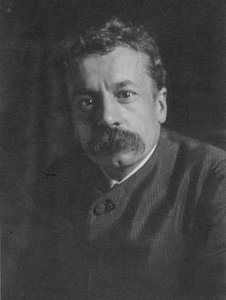
René Jules Lalique
1860 - 1945 , France
Quick Facts
- Artistic Movement Or Style: Art Nouveau, Art Deco
- Date Of Birth: April 6, 1860
- Date Of Death: May 1 or 5, 1945
- Full Name: René Jules Lalique
- Nationality: French
- Notable Artworks:
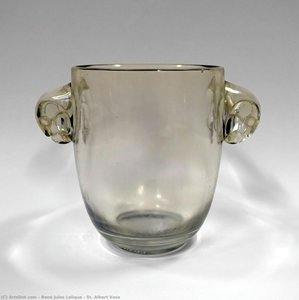
- St. Albert Vase
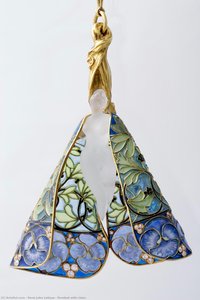
- Pendant with chain
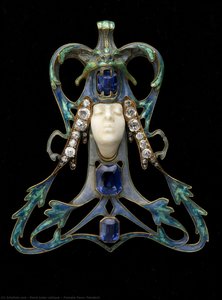
- 'Female Face' Pendant
- Place Of Birth: Aÿ, France
Related Articles
René Magritte's Masterpieces: 25 Surrealist Paintings for Art Lovers | ArtsDot
Explore 25 iconic René Magritte paintings & delve into the world of surrealism. Discover the stories behind 'The Son of Man', 'Golconda' & more. Find museum-quality art reproductions and elevate your home decor with ArtsDot.com.
Etching Masters: 10 Legendary Prints That Revolutionized Art | ArtsDot
Journey through 10 legendary etching masterpieces by Rembrandt, Dürer & Goya. Explore the history of printmaking and discover timeless art for your home. Find museum-quality reproductions at ArtsDot.com.
Etching: A Historical Survey of Technique, Aesthetic Qualities & Enduring Artistic Significance
Explore the rich history of etching, from its origins to Rembrandt's masterful innovations. Discover the technique, aesthetic qualities & enduring legacy of this captivating art form. Expert insights for collectors and enthusiasts.
The Intricate World of Etching: A Historical Survey of Technique, Aesthetic Evolution, and Enduring Artistic Impact
Explore the rich history of etching, from its origins to modern practice. Discover techniques, key artists like Rembrandt, and insights for collectors. A comprehensive guide by ArtsDot.
The Flowing Line & Flourishing Form: Exploring Art Nouveau's Aesthetic Legacy
Explore the captivating world of Art Nouveau! Discover its origins, key artists like Horta & Mucha, regional styles, innovative techniques, and lasting influence on architecture & design. A comprehensive guide for art enthusiasts.