 Preview
 Send
Send Share
Share
 Details

 Download
 Similars
 X-Ray
X-Ray Diaporama
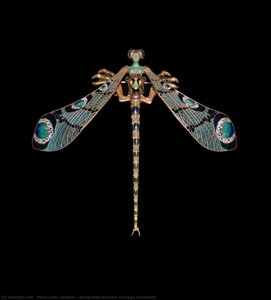
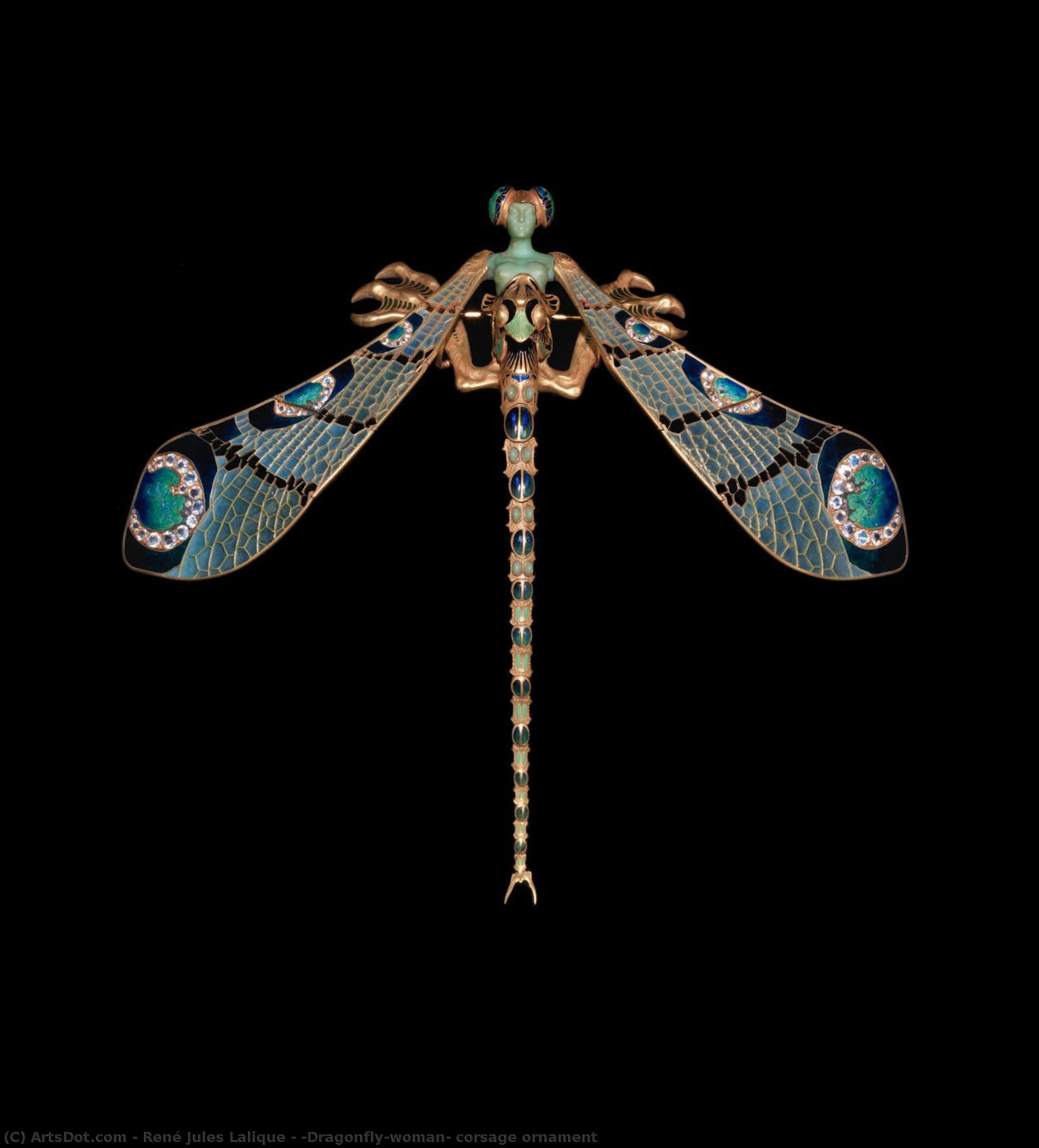
‘Dragonfly-woman’ corsage ornament


 Read More
Hand Made Oil Reproduction
Hand-painted oil on canvas in your size and frame, made to order by our artists. ( Buy Print Buy Image)




P118B $10

P118H $10

P118W $10

P438Z $10

P508JH $12

P508YH $12

P805H $10

P805Z $10

P919BZ $10

P919G $10

P919XJ $10

P959ZH $10

P968JZ $12

W106C $8

W218G $10

W218JH $8

W218Y $10

W307PJ $10

W316G $10

W316PJ $8

W316Y $10

W398PJ $8

W4111J $10

W500HY $15

W500JH $15

W692G $12

W849H $8

W940BG $15

W953PJ $8




Pick from our preset sizes that match the artwork's original proportions.

You may enter your own dimensions to fit a specific frame or space. If your selected size does not match the original image's proportions, we will either crop the artwork or extend the painting with additional hand-painted elements. A digital mockup will be sent for your approval before production begins.
Please note that the on-screen preview does not reflect the actual cropping or extension. Only the mockup will accurately show the final composition.
While custom sizes are available, we recommend selecting a dimension from the predefined list to preserve the original proportions.
After order, ArtsDot.com team will email client for instructions and provide a mockup preview
Worldwide Delivery () in 3/4 weeks instead of standard 5 weeks. (16 August). No compromise on quality.

Free Worldwide Express Shipping

High-Quality Linen Canvas

Full Shipping Insurance

Customs Tax Refund Guarantee

True Color Matching Guarantee

60-Day Return Policy (Defects Only)

100% Money-Back Guarantee

Bulk Discount Offer
 Glass option is only available in size under 110 CM

‘Dragonfly-woman’ corsage ornament
Reproduction Medium
Reproduction Size
-


Total Price
$ 263
Artwork Description
A Symphony of Art Nouveau: Unveiling the ‘Dragonfly-woman’
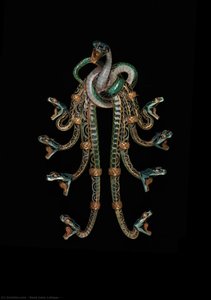
René Lalique’s “Dragonfly-woman” corsage ornament is not merely a piece of jewelry; it's an encapsulation of the Art Nouveau movement’s core tenets – a harmonious blend of nature, fantasy, and exquisite craftsmanship. Created around 1897-1898, this extraordinary brooch transcends its material components to become a potent symbol of duality, beauty, and the alluring power of transformation. Lalique, deeply influenced by his childhood memories of the French countryside and inspired by Japanese naturalism, sought to capture fleeting moments of organic life within his creations. The “Dragonfly-woman” embodies this ambition with breathtaking precision, presenting a captivating paradox that continues to resonate with viewers today.
The piece’s genesis lies in the burgeoning fascination with the exotic and the unconventional during the late 19th century. Lalique, operating at the forefront of Parisian artistic circles, skillfully navigated this landscape, forging a unique style characterized by flowing lines, intricate details, and an almost obsessive attention to natural forms. He rejected the rigid formality of earlier decorative styles, embracing instead a fluid aesthetic that mirrored the rhythms of nature itself. The “Dragonfly-woman” is a testament to this shift, representing a deliberate departure from traditional jewelry design and a bold assertion of artistic individuality.
A Hybrid Vision: Form and Symbolism
At first glance, the brooch presents a startling juxtaposition – an enormous gold and enamel dragonfly dominating the composition, its articulated wings spread in graceful motion. Emerging from the insect’s gaping mouth is a delicate female bust, adorned with a helmet embellished with beetle motifs. This deliberate merging of disparate elements—the predatory insect and the serene feminine figure—is central to the brooch's symbolic power. Lalique masterfully utilizes contrast to evoke a sense of tension and allure, suggesting a dynamic interplay between attraction and repulsion, life and death, beauty and danger.
The dragonfly itself is rich in symbolism. Traditionally associated with transformation, rebirth, and good fortune, it represents the cyclical nature of existence. The female bust, emerging from the insect’s maw, can be interpreted as a symbol of fertility, creation, and feminine power. The inclusion of moonstones and chalcedony within the figure further enhances this theme, evoking lunar cycles and the mysteries of the night. Even the choice of chrysoprase – a vibrant green gemstone – adds to the brooch's evocative quality, connecting it to nature’s vitality.
Craftsmanship & Materials: A Masterclass in Technique
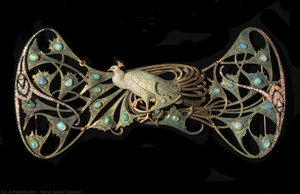
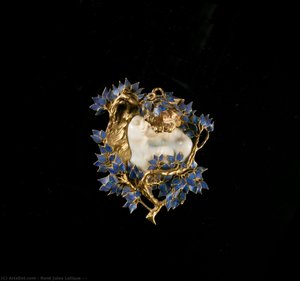
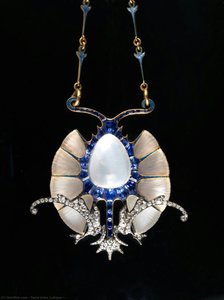
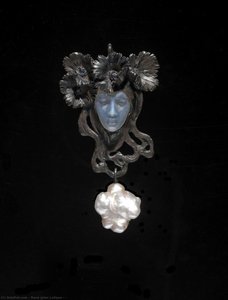
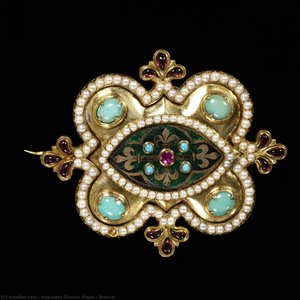
The “Dragonfly-woman” is a remarkable feat of technical skill. Lalique employed a masterful combination of techniques—intricate enamel work, meticulous gemstone setting, and the skillful manipulation of gold—to achieve an unparalleled level of detail and luminosity. The enamel, particularly, is breathtaking in its vibrancy and precision, creating a shimmering surface that seems to shift and change with the light. The delicate application of diamonds further accentuates the brooch’s luxurious quality.
- Gold & Enamel: Provides the structural framework and rich color palette.
- Opaline Enamel: Used for the dragonfly's wings, creating a translucent effect that enhances their ethereal beauty.
- Diamonds: Strategically placed to catch and reflect light, adding sparkle and brilliance.
- Moonstones & Chalcedony: Employed as cabochons within the female bust, contributing to the brooch’s overall depth and visual interest.
The choice of materials themselves speaks volumes about Lalique's artistic vision. He deliberately eschewed traditional precious stones in favor of more affordable options, believing that their beauty lay not in their rarity but in their ability to capture the essence of nature. This commitment to accessibility and authenticity is a hallmark of his distinctive style.
A Legacy of Beauty: Context & Impact
The “Dragonfly-woman” was unveiled at the Paris Universal Exhibition in 1900, where it immediately captivated audiences with its audacious design and exquisite craftsmanship. It became an instant sensation, solidifying Lalique’s reputation as one of the leading artists of his time. The brooch's success underscored the growing popularity of Art Nouveau, which celebrated beauty, nature, and the decorative arts. It remains a powerful example of the movement’s influence on jewelry design, inspiring generations of artists and designers.
Today, the “Dragonfly-woman” stands as a testament to René Lalique's genius—a captivating work of art that continues to enchant viewers with its beauty, symbolism, and technical brilliance. Its enduring appeal lies in its ability to evoke a sense of wonder, mystery, and the timeless allure of nature’s embrace.
Artist Biography
A Life Forged in Beauty: The World of René Lalique
René Jules Lalique, a name synonymous with the ethereal beauty of Art Nouveau and the sleek elegance of Art Deco, was more than just a jeweller or glass designer—he was an innovator, a poet of materials, and a true artist who redefined luxury for his time. Born in Aÿ, France, on April 6th, 1860, Lalique’s journey began amidst the rolling hills of Champagne, a landscape that would forever imprint itself upon his artistic sensibility. Early summers spent with his maternal grandparents instilled within him a deep reverence for nature, a theme that would become utterly central to his creations. This idyllic upbringing was disrupted by a move to the Parisian suburbs, yet the memory of Aÿ remained potent, fueling his later naturalistic glasswork and imbuing it with an organic grace. The untimely death of his father propelled young René into apprenticeship with goldsmith Louis Aucoc, setting him on a path that would ultimately revolutionize both jewellery and glass artistry. He further honed his skills at the École des Arts Décoratifs in Paris and even ventured to London for studies at the Crystal Palace School of Art, absorbing diverse influences that shaped his unique aesthetic vision.From Jewellery to Glass: A Revolutionary Aesthetic
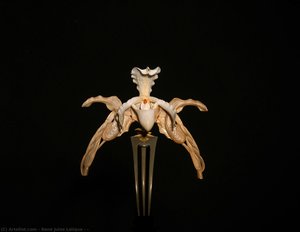
Lalique’s early career blossomed as a freelance designer for prominent French jewelry houses like Cartier and Boucheron during the 1880s. However, it was in 1890, with the opening of his own boutique in Paris' Opéra district, that Lalique truly began to forge his distinctive style. He swiftly became known for rejecting the prevailing opulent aesthetic, favoring instead a more organic and imaginative approach. He wasn’t interested merely in showcasing precious stones; he sought to elevate materials often considered secondary – horn, ivory, enamel, and crucially, glass – to equal status with diamonds and rubies. This was revolutionary. His jewelry became miniature sculptures, teeming with life: dragonflies with iridescent wings crafted from plique-à-jour enamel, orchids rendered in delicate gold filigree, peacocks displaying their plumage in vibrant gemstones. These weren’t simply adornments; they were wearable works of art, imbued with a sense of movement and naturalism rarely seen before. His designs resonated deeply with the spirit of Art Nouveau, embracing flowing lines, organic forms, and a celebration of the feminine form. He quickly garnered a devoted clientele, including celebrated actress Sarah Bernhardt, who commissioned numerous pieces that reflected her own dramatic persona.The Allure of Glass: A New Artistic Horizon
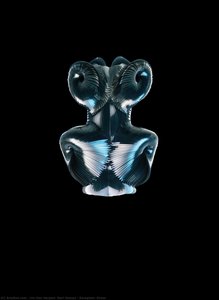
While Lalique’s jewelry established his reputation, it was his exploration of glass that cemented his legacy. His collaboration with perfumer François Coty in 1907 proved pivotal. Coty commissioned Lalique to design bottles for his perfumes, recognizing the potential to elevate fragrance presentation beyond simple functionality. This partnership marked a turning point, leading Lalique to dedicate himself increasingly to glassmaking. He acquired the Verrerie d'Alsace in 1921, allowing him to experiment with mass production techniques while maintaining artistic control. This wasn’t about creating cheap imitations; it was about making beauty accessible. The Art Deco era saw Lalique’s glasswork reach new heights of sophistication. He moved away from the flowing curves of Art Nouveau towards more geometric forms and streamlined designs, reflecting the modern spirit of the age. Vases, bowls, chandeliers, and even automobile hood ornaments—each piece bore the hallmark of his exquisite craftsmanship and innovative techniques like cire perdue (lost-wax casting) and frosted glass finishes. His work became synonymous with luxury and elegance, adorning the homes of discerning collectors worldwide, including Calouste Sarkis Gulbenkian, who amassed an impressive collection of over 140 Lalique pieces.A Lasting Legacy: Family, Influence, and Remembrance
René Lalique’s influence extends far beyond his own creations. He not only transformed the fields of jewelry and glass but also inspired generations of artists and designers. His daughter, Suzanne Lalique, continued the family artistic tradition as a painter and set designer for the Comédie-Française. His granddaughter, Marie Claude-Lalique, carried on the legacy of glassmaking until her death in 2003. The Maison Lalique continues to thrive today, upholding the standards of quality and artistry established by its founder. René Lalique passed away in Paris on May 1st or 5th, 1945, and was laid to rest in Père Lachaise Cemetery, a fitting final resting place for an artist whose work embodies both beauty and enduring spirit. His creations can be found in prestigious museums around the world, including the Musée d'Orsay, serving as a testament to his profound impact on art history. René Lalique wasn’t simply creating objects; he was crafting dreams, capturing the ephemeral beauty of nature, and leaving an indelible mark on the aesthetic landscape of the 20th century. His work remains a powerful reminder that true artistry lies in the ability to transform ordinary materials into extraordinary expressions of human creativity.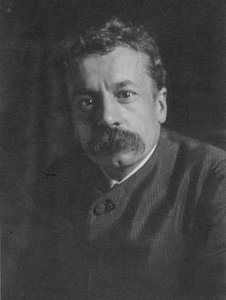
René Jules Lalique
1860 - 1945 , France
Quick Facts
- Artistic Movement Or Style: Art Nouveau, Art Deco
- Date Of Birth: April 6, 1860
- Date Of Death: May 1 or 5, 1945
- Full Name: René Jules Lalique
- Nationality: French
- Notable Artworks:
- St. Albert Vase
- Pendant with chain
- 'Female Face' Pendant
- Place Of Birth: Aÿ, France
Related Articles
Art Nouveau's Golden Age: 10 Masterpieces for Your Home |
Journey into Art Nouveau's golden age! Explore 10 masterpieces by Klimt, Mucha & more. Discover captivating stories behind iconic paintings, floral motifs & flowing lines. Find museum-quality art reproductions for your home at .
The Flowing Line & Flourishing Form: Exploring Art Nouveau's Aesthetic Legacy
Explore the captivating world of Art Nouveau! Discover its origins, key artists like Horta & Mucha, regional styles, innovative techniques, and lasting influence on architecture & design. A comprehensive guide for art enthusiasts.
Alphonse Mucha: A Comprehensive Exploration of Art Nouveau's Master of Decorative Symbolism
Explore the life & art of Alphonse Mucha, master of Art Nouveau! Discover his iconic posters, stunning illustrations, and the monumental Slav Epic. A comprehensive guide for collectors & enthusiasts.

Raphael Kirchner: A Poetic Vision of Belle Époque Society Through Art Nouveau Lithography
Explore the captivating world of Raphael Kirchner, a master of Art Nouveau illustration during the Belle Époque. Discover his iconic 'Kirchner Girls,' pioneering pin-up art & lasting influence.

Edmund Dulac: A Master of Golden Age Illustration – Exploring Myth, Symbolism & Art Nouveau Legacy
Explore the captivating world of Edmund Dulac, a master of Golden Age illustration! Discover his enchanting fairy tales, Art Nouveau style, and lasting influence on art & design. Learn about *The Rubaiyat* and more.