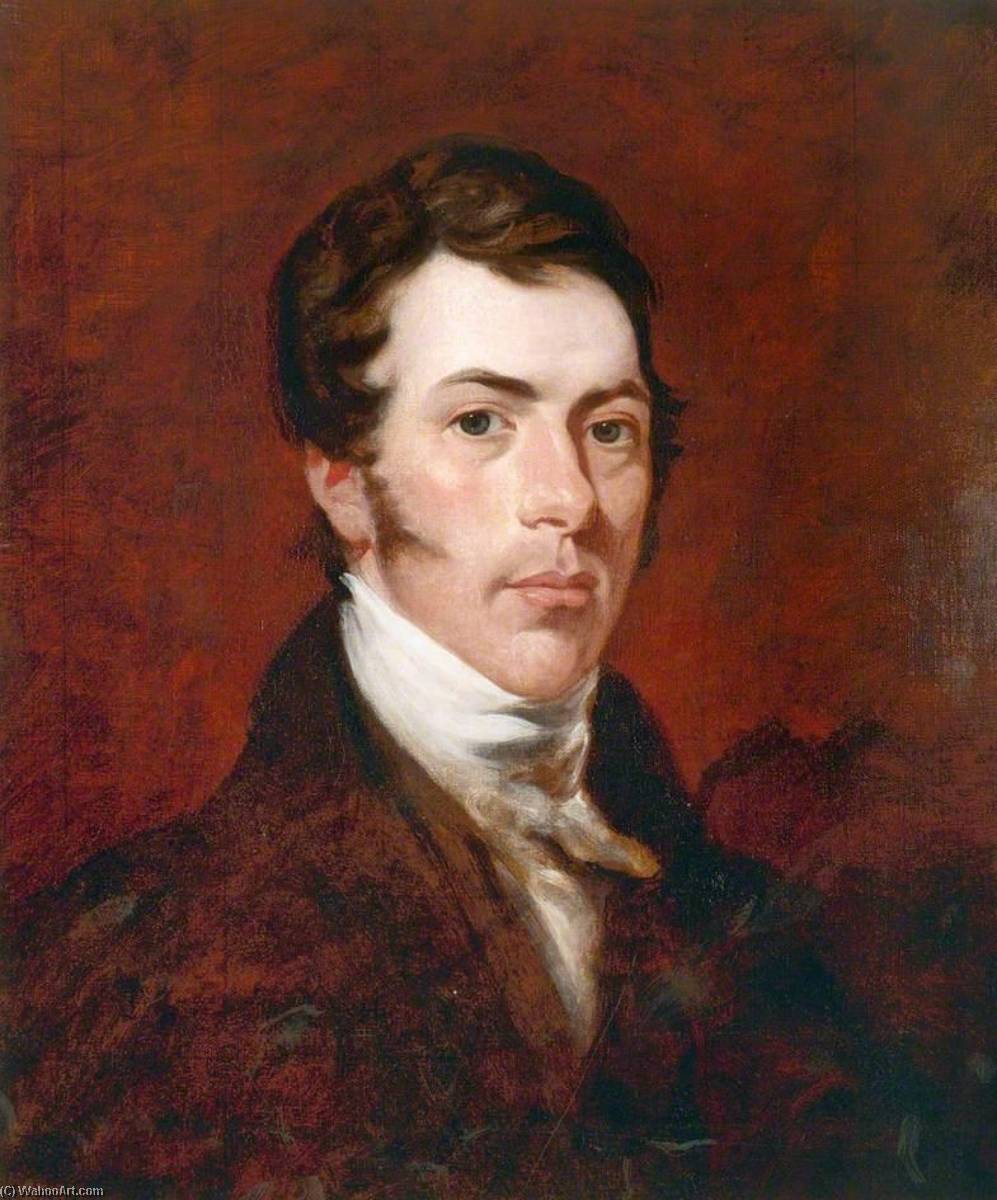
Thomas Phillips’s masterful portrait of Henry Peter Brougham embodies Romantic grandeur, showcasing dramatic chiaroscuro and meticulous detail—a testament to Victorian artistic tradition. Explore this iconic depiction of British power and intellect.
Discover Thomas Phillips (1770-1845), a British portrait & history painter renowned for detailed realism and capturing prominent figures like Lord Byron. #BritishArt #PortraitPainting
Відкрийте для себе світ мистецтва Парламенту! Близько 8 тисяч творів мистецтва, від середньовічних скульптур до сучасних інсталяцій у серці Лондона – незабутня подорож історією та культурою Англії!
A Portrait of Power: Thomas Phillips’s Henry Peter Brougham
Thomas Phillips's depiction of Henry Peter Brougham, Baron Brougham and Vaux stands as a testament to the artistic prowess of the British Romantic era and offers a glimpse into the intellectual landscape of Victorian England. Completed around 1807, this portrait transcends mere likeness; it embodies ambition, erudition, and the commanding presence of one of Britain’s most influential statesmen. Phillips skillfully captured Brougham's character through meticulous observation and masterful technique—a hallmark of his oeuvre and a cornerstone of the Royal Academy’s artistic tradition.
The Painter’s Craftsmanship: Luminosity and Detail
Phillips employed a technique rooted in chiaroscuro, utilizing dramatic contrasts between light and shadow to sculpt Brougham’s form with remarkable precision. The artist meticulously studied anatomy and drapery, achieving an astonishing level of realism that was considered groundbreaking for its time. Layers upon layers of thinly applied oil paint—a hallmark of the academic style—created a velvety surface texture that captured the subtle nuances of light reflecting off Brougham's skin and clothing. Notice particularly the luminous quality of his gaze; Phillips achieved this effect through careful blending and glazing, conveying an intensity of intellect and conviction.
Historical Context: Shaping Victorian Discourse
Henry Peter Brougham (1767-1845) was a towering figure in British politics during the mid-nineteenth century—a barrister, orator, philosopher, and staunch advocate for parliamentary reform. He championed universal suffrage and tirelessly campaigned against slavery, earning him both admiration and controversy. Phillips’s portrait reflects this era's preoccupation with intellectual debate and moral responsibility. Brougham’s dignified posture and unwavering gaze communicate his conviction in the pursuit of justice and enlightenment—values central to the Romantic movement’s critique of aristocratic privilege and its celebration of reason and virtue. The red drapery behind him symbolizes power and authority, mirroring Brougham's position as a leader within the Liberal Party.
Symbolism Beyond Appearance: Reflecting Inner Character
Beyond the surface representation, Phillips infused the portrait with symbolic elements that speak to Brougham’s inner life. The carefully arranged folds of his robe subtly suggest stability and composure—qualities essential for navigating the turbulent political arena. Furthermore, the muted tones of the background contribute to a sense of solemn contemplation, hinting at Brougham's profound engagement with philosophical ideas. These understated gestures underscore Phillips’s ability to convey character through visual cues rather than overt expression.
Emotional Resonance: A Portrait That Endures
Ultimately, Thomas Phillips’s Henry Peter Brougham transcends its formal conventions to evoke a powerful emotional response. The portrait captures not merely Brougham's physical likeness but also his intellectual spirit—a man driven by conviction and committed to upholding moral principles. It remains an enduring symbol of Victorian idealism and continues to fascinate viewers with its masterful execution and profound psychological insight. Its commanding presence and luminous gaze serve as a reminder of the transformative power of art to illuminate both individual character and historical significance.