
A Journey Through the Soul of British Heritage
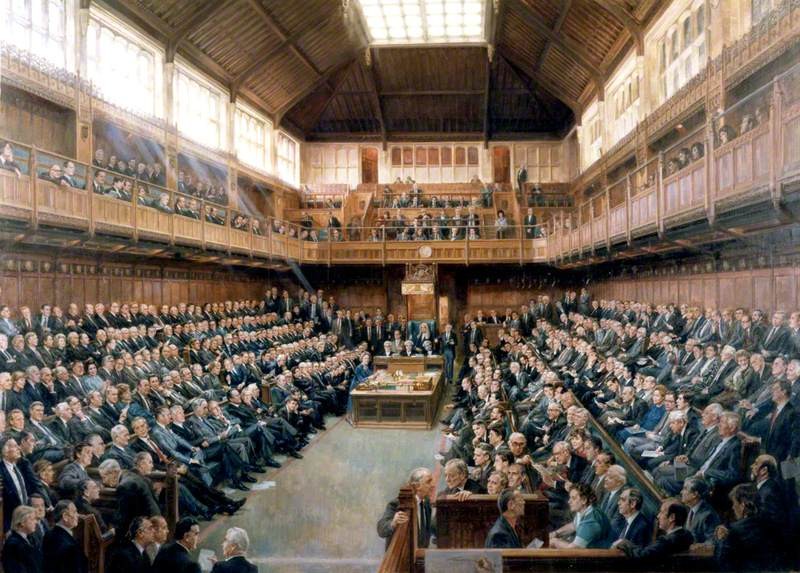
To step into the Parliamentary Art Collection is to embark on a profound voyage through the very veins of British history and culture. Nest andled within the iconic Westminster Palace in the heart of London, this collection serves as much more than a mere repository of objects; it is a living chronicle of a kingdom, its faith, and its artistic evolution. As one wanders through these hallowed halls, the architecture itself—a masterpiece of English Gothic design—begins to speak, offering a majestic backdrop where medieval grandeur meets the refined elegance of later eras. The museum offers a rare dialogue between the past and the present, inviting every visitor, from the passionate art historian to the discerning interior designer, to immerse themselves in an atmosphere where every sculpture and canvas tells a story of power, devotion, and the eternal human pursuit of beauty.
The echoes of the Middle Ages resonate most powerfully through the exquisite sculptural works of Thomas Camon. Created for Westminster Hall during the reign of Edward III, these figures stand as silent sentinels of a glorious era. Carved from noble white marble and cast in bronze, these works embody the Gothic yearning for verticality and intricate ornamentation. Each figure, whether representing a monarch or the legendary battle between Saint George and the dragon, was meticulously crafted to project divine authority and human greatness. For the collector of fine antiquities, these pieces represent the pinnacle of medieval technical mastery, where the weight of stone and metal is transformed into a delicate expression of spiritual and moral values that continue to inspire awe centuries later.
As history progressed into the sixteenth century, the collection breathed with the renewed light of the Italian Renaissance. This period brought a transformative wave of influence to the Palace, as English artists became enamored with the balanced compositions and vibrant palettes flowing from the south. The infusion of classical forms and an obsession with capturing the interplay of light and human emotion revolutionized the aesthetic landscape of the halls. One can almost feel the intellectual awakening of the era through the works that mirror the harmony of Michelangelo’s vision, where art became a vehicle for exploring both the physical grace of the human form and the profound depths of the soul. This era of refinement turned the Palace into a sanctuary of light and elegance, setting a standard for aesthetic sophistication that remains a cornerstone of British cultural identity.
The nineteenth century brought both tragedy and triumph to this architectural jewel. Following the devastating fire of 1834, the visionary architect Sir John Soan undertook a monumental restoration, utilizing luxurious materials such as exotic stones and Italian glass to resurrect the Palace’s splendor. This period of reconstruction mirrored the broader transformations of the Victorian era, capturing the spirit of parliamentary reform and the expansion of the British Empire. The collection from this age reflects a magnificent diversity, ranging from the sweeping drama of Romanticism to the meticulous detail of Realism. Today, the museum continues to evolve, embracing the contemporary pulse of the twenty-first century. By integrating modern abstract paintings and avant-garde installations alongside its historic treasures, the Parliamentary Art Collection remains a dynamic, breathing entity—a true sanctuary where the legacy of the past meets the limitless creativity of the future.