Catharina van Hemessen stands as an exceptional figure in the Northern Renaissance, defying societal limitations to achieve artistic recognition. Her father, Jan Sanders van Hemessen, fostered her talent early on, providing foundational training within the Mannerist tradition prevalent in Antwerp during her formative years. Unlike many male artists of her time who pursued monumental commissions, C
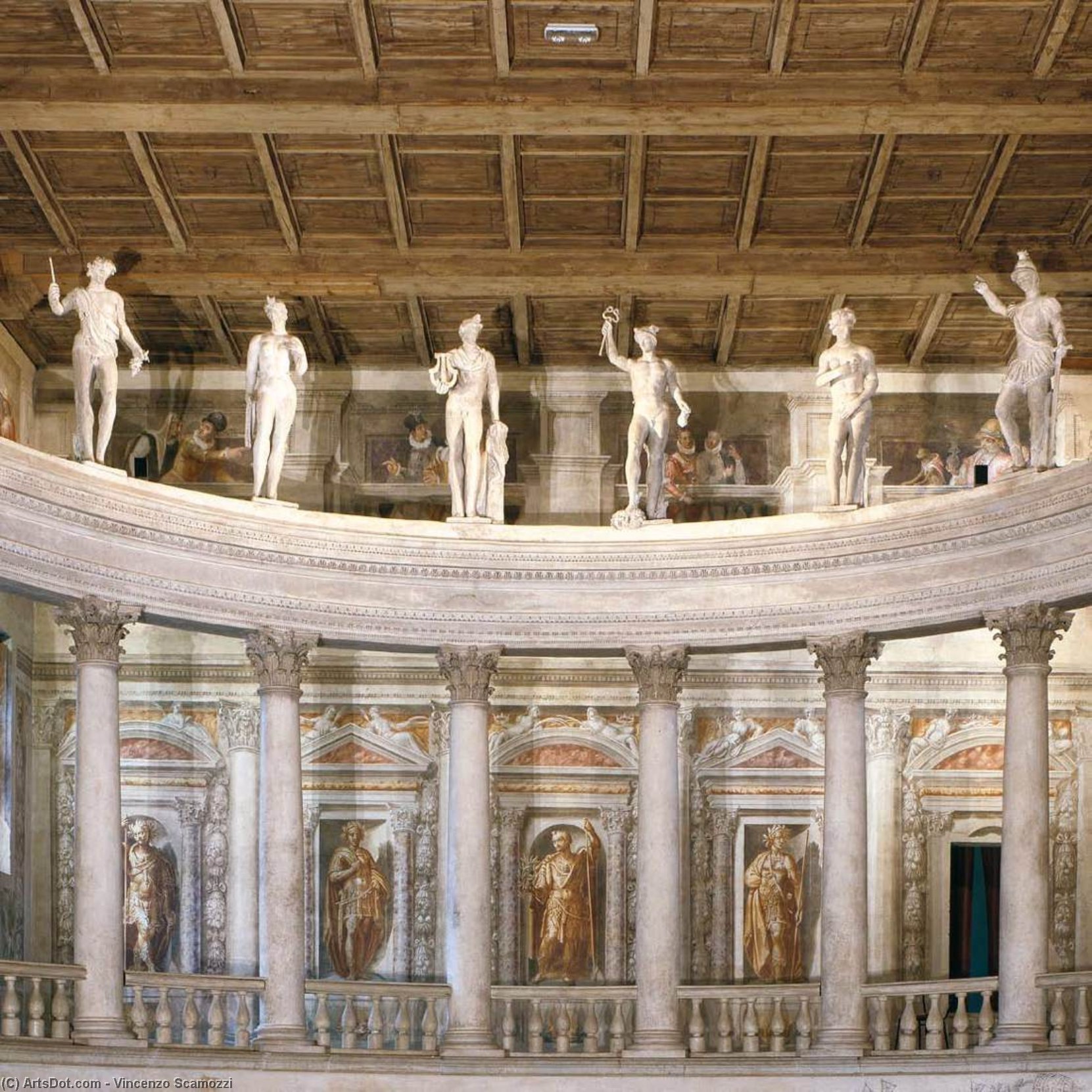
Vincenzo Scamozzi (1548-1616): Italian Renaissance & Mannerist architect, Palladio's successor. Known for villas, urban planning, and 'L'idea dell'architettura universale'. Influenced Neoclassical design.
Teatro
(Sabbioneta, Italy)
Teatro all’Antica stands as the inaugural free-standing Renaissance theatre globally, showcasing Vincenzo Scamozzi’s masterful design and reflecting Gonzaga family patronage. Admire its opulent scaenae frons, meticulous acoustics & UNESCO World Heritage status – a testament to classical ideals revived in Sabbioneta.
A Quiet Revolution: Catharina van Hemessen and the Legacy of Female Artistic Vision
Catharina van Hemessen stands apart from her contemporaries—a beacon of creativity within the confines of a Renaissance era that largely excluded women from artistic pursuits. While Rembrandt and Rubens commanded fame and fortune, Catharina quietly yet decisively shaped Flemish art through her intimate portraits and devotional paintings, demonstrating an unparalleled sensitivity to human emotion and a masterful grasp of Renaissance ideals. Her work isn’t defined by monumental scale but rather by meticulous detail and profound psychological insight—a testament to the enduring power of artistic talent regardless of gender.
Born around 1528 in Antwerp, Catharina benefited from the tutelage of her father, Jan Sanders van Hemessen, a respected Mannerist painter who recognized and nurtured her burgeoning aptitude for art. This formative relationship instilled within her a foundational understanding of artistic principles—a crucial advantage considering the societal barriers faced by women seeking formal training during this period. Unlike many aspiring artists of her time, Catharina wasn’t simply absorbing techniques; she was actively shaping them, pushing boundaries and establishing herself as a pioneer in Northern Renaissance art.
The Style of Elegance: Mannerism Meets Venetian Influence
Catharina's artistic style embodies the confluence of Mannerist and Venetian influences—a stylistic blend that reflects the broader artistic currents circulating throughout Europe during her lifetime. Mannerism prioritized stylized forms, elongated figures, and dramatic poses, rejecting the naturalistic conventions championed by earlier Renaissance artists like Leonardo da Vinci. However, Catharina’s work also absorbed elements from Venice, particularly in its use of rich color palettes and luminous glazing—techniques perfected by Venetian painters such as Titian and Tintoretto. This fusion resulted in paintings characterized by gracefulness, sophistication, and a subtle emotional resonance that distinguishes them from more overtly expressive works.
Technical Mastery: Detail and Illusionism
What truly sets Catharina’s oeuvre apart is her exceptional technical skill—a hallmark of her era's finest artists. She employed meticulous observation and painstaking execution to achieve remarkable levels of realism within the stylized framework of Mannerism. Her canvases are replete with intricate details—from delicately rendered fabrics to subtly shaded skin tones—demonstrating a profound understanding of anatomy and optics. Furthermore, Catharina skillfully utilized illusionistic techniques, particularly sfumato (smoky shading), to create atmospheric depth and enhance the visual impact of her paintings. This mastery of technique underscores her dedication to artistic excellence and elevates her creations beyond mere decorative embellishment.
Symbolism Within Sacred Spaces: Reflecting Renaissance Ideals
Catharina’s subjects—primarily religious portraits and devotional scenes—were imbued with symbolic meaning, reflecting the dominant intellectual and spiritual values of the Renaissance. Like many artists of her time, Catharina sought to convey moral lessons and inspire contemplation through her art. Her depictions of saints and biblical figures often incorporated classical motifs—such as drapery folds and architectural elements—drawing upon the humanist tradition’s fascination with Greco-Roman antiquity. These symbols served not only to communicate theological concepts but also to elevate the viewer's consciousness and affirm faith—a testament to Catharina’s artistic vision and its alignment with the broader cultural landscape of her era.
A Lasting Impression: Beyond Reproduction
Though Catharina van Hemessen’s original paintings remain relatively rare, their enduring beauty continues to captivate audiences today. Reproductions crafted by ArtsDot offer a remarkable opportunity to experience this exceptional artwork firsthand—to appreciate its nuanced detail and profound emotional depth. Consider commissioning a bespoke print of ‘Interior,’ or exploring our curated collection of Catharina van Hemessen reproductions – allowing you to bring the spirit of Renaissance artistry into your home or workspace.