 Preview
 Send
Send Share
Share
 Details

 Download
 Similars
 X-Ray
X-Ray Diaporama
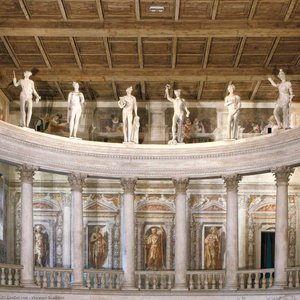
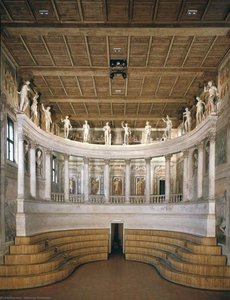
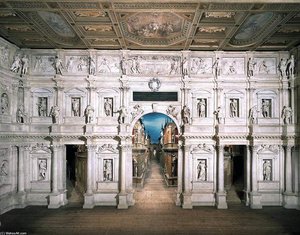
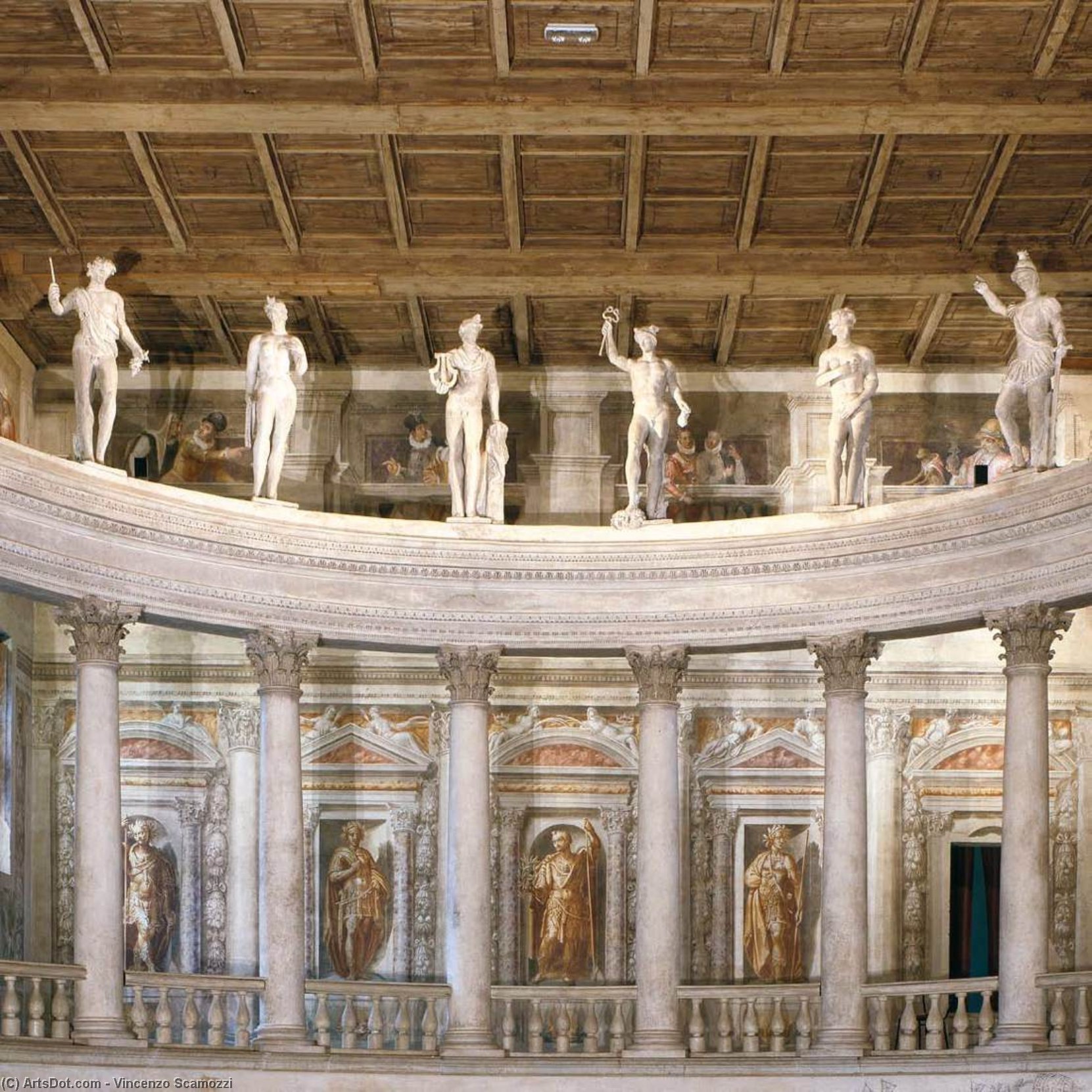
Interior (detail)


 Read More
Hand Made Oil Reproduction
Hand-painted oil on canvas in your size and frame, made to order by our artists. ( Buy Print Buy Image)




P118B $10

P118H $10

P118W $10

P438Z $10

P508JH $12

P508YH $12

P805H $10

P805Z $10

P919BZ $10

P919G $10

P919XJ $10

P959ZH $10

P968JZ $12

W106C $8

W218G $10

W218JH $8

W218Y $10

W307PJ $10

W316G $10

W316PJ $8

W316Y $10

W398PJ $8

W4111J $10

W500HY $15

W500JH $15

W692G $12

W849H $8

W940BG $15

W953PJ $8




Pick from our preset sizes that match the artwork's original proportions.

You may enter your own dimensions to fit a specific frame or space. If your selected size does not match the original image's proportions, we will either crop the artwork or extend the painting with additional hand-painted elements. A digital mockup will be sent for your approval before production begins.
Please note that the on-screen preview does not reflect the actual cropping or extension. Only the mockup will accurately show the final composition.
While custom sizes are available, we recommend selecting a dimension from the predefined list to preserve the original proportions.
After order, ArtsDot.com team will email client for instructions and provide a mockup preview
Worldwide Delivery () in 3/4 weeks instead of standard 5 weeks. (17 August). No compromise on quality.

Free Worldwide Express Shipping

High-Quality Linen Canvas

Full Shipping Insurance

Customs Tax Refund Guarantee

True Color Matching Guarantee

60-Day Return Policy (Defects Only)

100% Money-Back Guarantee

Bulk Discount Offer
 Glass option is only available in size under 110 CM

Interior (detail)
Reproduction Medium
Reproduction Size
-


Total Price
$ 263
Artwork Description
A Quiet Revolution: Catharina van Hemessen and the Legacy of Female Artistic Vision
Catharina van Hemessen stands apart from her contemporaries—a beacon of creativity within the confines of a Renaissance era that largely excluded women from artistic pursuits. While Rembrandt and Rubens commanded fame and fortune, Catharina quietly yet decisively shaped Flemish art through her intimate portraits and devotional paintings, demonstrating an unparalleled sensitivity to human emotion and a masterful grasp of Renaissance ideals. Her work isn’t defined by monumental scale but rather by meticulous detail and profound psychological insight—a testament to the enduring power of artistic talent regardless of gender. Born around 1528 in Antwerp, Catharina benefited from the tutelage of her father, Jan Sanders van Hemessen, a respected Mannerist painter who recognized and nurtured her burgeoning aptitude for art. This formative relationship instilled within her a foundational understanding of artistic principles—a crucial advantage considering the societal barriers faced by women seeking formal training during this period. Unlike many aspiring artists of her time, Catharina wasn’t simply absorbing techniques; she was actively shaping them, pushing boundaries and establishing herself as a pioneer in Northern Renaissance art.The Style of Elegance: Mannerism Meets Venetian Influence
Catharina's artistic style embodies the confluence of Mannerist and Venetian influences—a stylistic blend that reflects the broader artistic currents circulating throughout Europe during her lifetime. Mannerism prioritized stylized forms, elongated figures, and dramatic poses, rejecting the naturalistic conventions championed by earlier Renaissance artists like Leonardo da Vinci. However, Catharina’s work also absorbed elements from Venice, particularly in its use of rich color palettes and luminous glazing—techniques perfected by Venetian painters such as Titian and Tintoretto. This fusion resulted in paintings characterized by gracefulness, sophistication, and a subtle emotional resonance that distinguishes them from more overtly expressive works.Technical Mastery: Detail and Illusionism
What truly sets Catharina’s oeuvre apart is her exceptional technical skill—a hallmark of her era's finest artists. She employed meticulous observation and painstaking execution to achieve remarkable levels of realism within the stylized framework of Mannerism. Her canvases are replete with intricate details—from delicately rendered fabrics to subtly shaded skin tones—demonstrating a profound understanding of anatomy and optics. Furthermore, Catharina skillfully utilized illusionistic techniques, particularly sfumato (smoky shading), to create atmospheric depth and enhance the visual impact of her paintings. This mastery of technique underscores her dedication to artistic excellence and elevates her creations beyond mere decorative embellishment.Symbolism Within Sacred Spaces: Reflecting Renaissance Ideals
Catharina’s subjects—primarily religious portraits and devotional scenes—were imbued with symbolic meaning, reflecting the dominant intellectual and spiritual values of the Renaissance. Like many artists of her time, Catharina sought to convey moral lessons and inspire contemplation through her art. Her depictions of saints and biblical figures often incorporated classical motifs—such as drapery folds and architectural elements—drawing upon the humanist tradition’s fascination with Greco-Roman antiquity. These symbols served not only to communicate theological concepts but also to elevate the viewer's consciousness and affirm faith—a testament to Catharina’s artistic vision and its alignment with the broader cultural landscape of her era.A Lasting Impression: Beyond Reproduction
Though Catharina van Hemessen’s original paintings remain relatively rare, their enduring beauty continues to captivate audiences today. Reproductions crafted by ArtsDot offer a remarkable opportunity to experience this exceptional artwork firsthand—to appreciate its nuanced detail and profound emotional depth. Consider commissioning a bespoke print of ‘Interior,’ or exploring our curated collection of Catharina van Hemessen reproductions – allowing you to bring the spirit of Renaissance artistry into your home or workspace.Related Artworks
Artist Biography
Catharina van Hemessen: A Pioneering Voice in the Northern Renaissance
Before Rembrandt, before Rubens, there existed a woman who quietly yet powerfully shaped the artistic landscape of 16th-century Flanders – Catharina van Hemessen. Often overshadowed by her male contemporaries, she stands as a remarkable testament to female creativity and skill during a period when societal constraints severely limited women’s access to formal artistic training and recognition. Her legacy isn't one of grand, monumental works, but rather in the intimate portraits and devotional paintings that reveal a keen eye for detail, a subtle understanding of human emotion, and an early embrace of Renaissance ideals.
Born around 1528 in Antwerp – a vibrant hub of artistic activity during this era – Catharina’s life was inextricably linked to her father, Jan Sanders van Hemessen, a respected Mannerist painter. He served as her initial mentor, nurturing her nascent talent and providing her with the foundational skills necessary for her future endeavors. While details about her early childhood remain scarce, it's believed she received an education that extended beyond the typical domestic sphere for women of the time, likely involving exposure to artistic techniques through her father’s workshop. This privileged access was a rarity, as formal art training was almost exclusively reserved for men.
The prevailing attitudes towards female artists during this period were deeply restrictive. Artistic guilds, which controlled much of the professional landscape, largely excluded women. Furthermore, the accepted methods of artistic instruction – including dissection and study of the nude male form – presented significant obstacles to a woman’s pursuit of painting. Despite these challenges, Catharina persevered, demonstrating an exceptional aptitude for her craft. She skillfully navigated the social barriers, becoming one of the first documented female artists in Flanders to achieve professional recognition.
A Portraitist and Devotional Painter
Catharina's artistic output is characterized by a remarkable versatility, encompassing both portraiture and religious scenes. Her small-scale portraits, often depicting women from wealthy merchant families, are particularly noteworthy for their elegance and psychological depth. These weren’t simply likenesses; she captured the personalities of her subjects with subtle gestures, expressions, and carefully rendered clothing details. The 1548 self-portrait, now housed in the Kunstmuseum Basel, is a pivotal work in understanding her artistic development. It depicts her seated at an easel, engaged in the act of painting – a bold statement for its time and a testament to her confidence as an artist.
Beyond portraiture, Catharina produced a series of devotional paintings, often featuring Mary Magdalene or other female saints. These works demonstrate her ability to translate religious iconography into emotionally resonant images. Her use of color is restrained yet effective, creating a sense of serenity and contemplation. Notable examples can be found in the Rijksmuseum in Amsterdam and the National Gallery in London, showcasing her consistent quality across different commissions.
Influences and Artistic Style
Catharina’s artistic style reflects a synthesis of influences – primarily Mannerism, which was prevalent in Flanders at the time, and elements of early Renaissance humanism. She skillfully employed techniques learned from her father, incorporating his characteristic use of rich colors, dynamic compositions, and attention to detail. However, she also developed a distinct personal voice, evident in her nuanced portrayal of female subjects and her subtle integration of classical motifs.
The work of Jan Sanders van Hemessen undoubtedly shaped Catharina’s early development. She frequently collaborated with him on various projects, absorbing his techniques and artistic sensibilities. However, she quickly surpassed her father's style, demonstrating a greater independence and originality in her own paintings. The influence of Italian Renaissance artists, particularly those working in Florence, is also discernible in her compositions and use of perspective.
A Legacy of Quiet Innovation
Catharina van Hemessen’s impact on the art world may not be immediately apparent, but she played a crucial role in challenging conventional notions about women's roles as artists. As one of the earliest documented female Flemish painters, her existence alone defied societal expectations and paved the way for future generations of women to pursue careers in the arts. Her self-portrait stands as a powerful symbol of artistic ambition and self-expression – a testament to her courage and determination.
Despite the relative obscurity that has surrounded her life and work, Catharina van Hemessen’s legacy endures. Her paintings offer a valuable glimpse into the artistic practices of 16th-century Flanders and serve as a reminder of the often-overlooked contributions of women to the history of art. Further research continues to shed light on this fascinating artist, solidifying her place as a pioneering figure in the Northern Renaissance.
vincenzo scamozzi
1548 - 1616 , Italy
Quick Facts
- Artistic Movement Or Style: Northern Renaissance
- Artists Who Influenced This Artist: ['Jan Sanders van Hemessen']
- Date Of Birth: 1528
- Date Of Death: after 1565
- Full Name: Catharina van Hemessen
- Nationality: Flemish
- Notable Artworks:
- Self-Portrait
- Female portraits
- Religious compositions
- Place Of Birth: Antwerp, Belgium
Related Articles

Bronze Sculptures That Defined Art History | ArtsDot
Journey through art history with our Top 10 bronze sculptures! Explore masterpieces by Rodin, Michelangelo & more. Discover stories behind iconic statues and find museum-quality reproductions for your home decor at ArtsDot.com.

Baroque Drama: Bringing Opulence & Emotion into Contemporary Interiors
Explore the opulent world of Baroque interior design! Discover key elements, modern applications & how to bring dramatic elegance into your home with 's authentic reproductions.
Harmonizing Contrasts: Integrating Abstract Art into Classic Interiors for Timeless Modernity
Elevate your classic home with abstract art! Discover expert tips for seamlessly blending modern pieces into timeless interiors. Find the perfect artwork & design advice at ArtsDot.

Bronze Age to Modern Masters: 10 Sculptures That Redefined Art | ArtsDot
Journey through art history with 10 legendary bronze sculptures – from Michelangelo's David to Rodin’s Thinker. Explore the stories, techniques & timeless beauty of these masterpieces. Find museum-quality reproductions & elevate your home decor on ArtsDot.com.
Baroque Classicism: Reconciling Drama & Order in 17th-Century Art
Explore the captivating world of Baroque Classicism! Discover its history, key artists like Caravaggio & Rubens, and defining characteristics. Expert insights & high-quality reproductions at ArtsDot.