The Artistic Journey of Wassily Kandinsky
Born on December 4, 1866, in Moscow, Russia, Wassily Wassilyevich Kandinsky began his artistic journey at the age of 30. He studied painting in Munich and later became a key figure in the formation of Der Blaue Reiter, an influential art movement that emphasized emotional expression and subjective interpretation. His association with Expressionism and Abstract Art led to the creation of unique pieces like
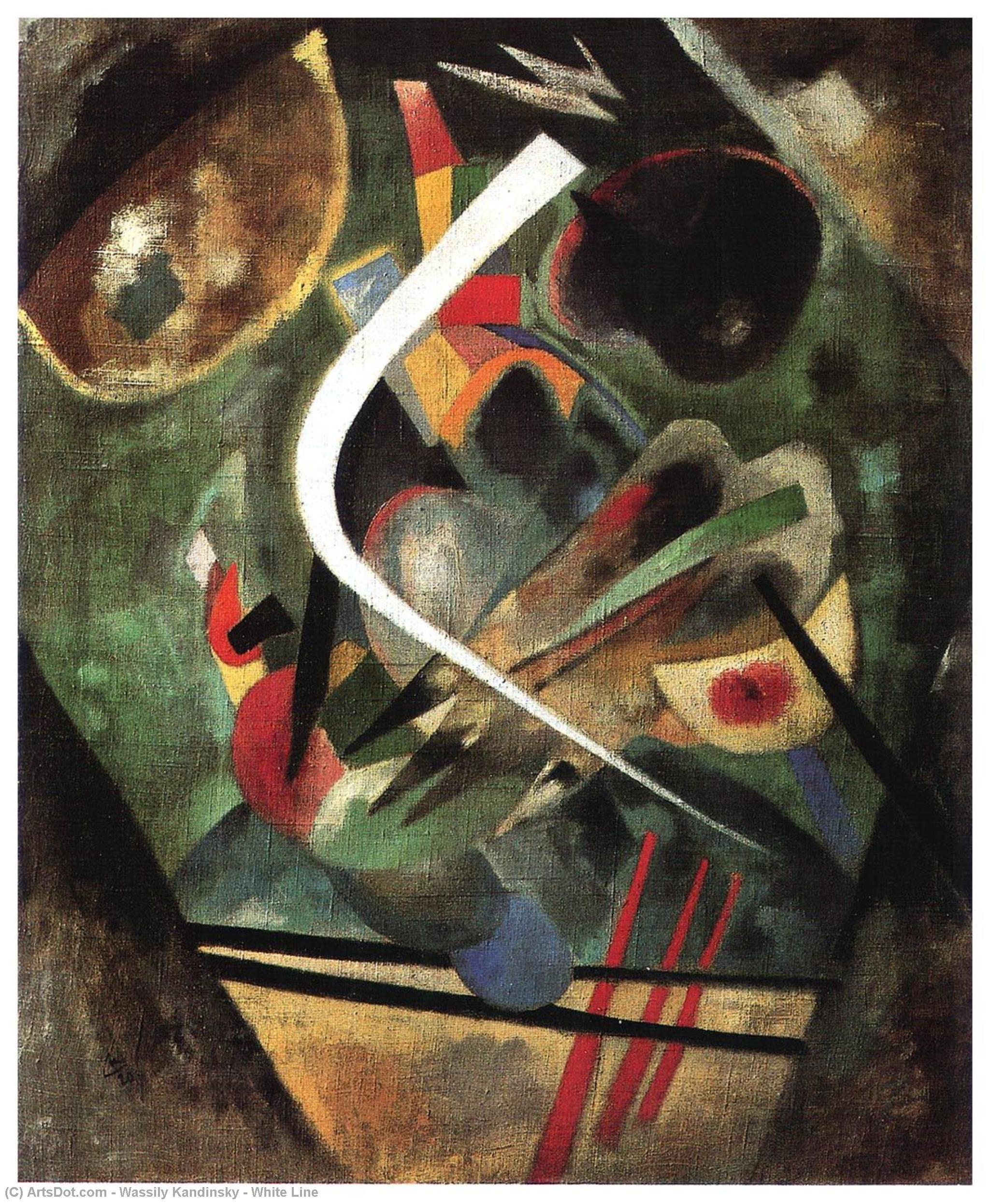
White Line. This monumental canvas, measuring 90 x 80 cm, embodies Kandinsky’s groundbreaking vision of art as a conduit for spiritual experience—a radical departure from representational painting that would profoundly impact the trajectory of modern art.
Key Features of “White Line”
- Color Palette: The painting bursts with vibrant hues – reds pulsating with energy, blues evoking tranquility and depth, yellows radiating warmth and optimism, and greens symbolizing growth and harmony. These colors aren’t merely decorative; they are deliberately juxtaposed to create a dynamic visual dialogue that aims to stimulate the viewer's emotions. Black lines weave through the composition, acting as counterweights to the chromatic richness, generating tension and highlighting the interplay between form and color. They serve as structural elements, guiding the eye across the canvas and reinforcing Kandinsky’s belief in the importance of geometric abstraction.
- Abstract Composition: True to Kandinsky's style,
White Line eschews any recognizable objects or scenes. Instead, it presents a complex tapestry of shapes—circles, squares, triangles—arranged in an organic yet purposeful manner. These forms aren’t intended to depict anything specific but rather to convey feelings and ideas directly through visual language. Kandinsky meticulously considered the placement and proportion of each element, striving for balance and harmony while simultaneously exploring the expressive potential of non-figurative art.
- Size and Medium: The painting is substantial in scale—90 x 80 cm—demonstrating Kandinsky’s ambition to engage the viewer on a visceral level. Executed in oil on canvas,
White Line showcases the artist's mastery of technique and his ability to capture subtle nuances of color and texture. The thick impasto brushstrokes contribute to the painting’s tactile quality, inviting contemplation and encouraging viewers to immerse themselves in its visual world.
Artistic Movements Influenced by Kandinsky
Kandinsky’s pioneering work in abstract art profoundly impacted subsequent movements, including Expressionism and Abstract Expressionism. His insistence on prioritizing emotion over representation paved the way for artists like Arshile Gorky, Jackson Pollock, and Mark Rothko—who similarly sought to express inner states through non-objective imagery. Kandinsky's influence extended beyond painting; he championed the integration of art and music, believing that both disciplines could communicate spiritual truths.
Relevance of “White Line” Today
White Line remains a cornerstone of modern art history—a testament to Kandinsky’s unwavering commitment to artistic innovation and his belief in the transformative power of abstraction. Its bold color palette, dynamic composition, and masterful execution continue to inspire artists today, reminding us that art can transcend literal depiction and communicate profound emotional resonance. For those eager to delve deeper into Kandinsky's oeuvre or explore the broader landscape of abstract expressionism, consider visiting
List of paintings by Wassily Kandinsky and
Wassily Kandinsky on Wikipedia—resources offering invaluable insight into the artist’s life, work, and enduring legacy.