 Vista previa
 Compartir
 Compartir
 Ver detalles

 Descargar
 Ver similares
 Radiografía
 Presentación de diapositivas
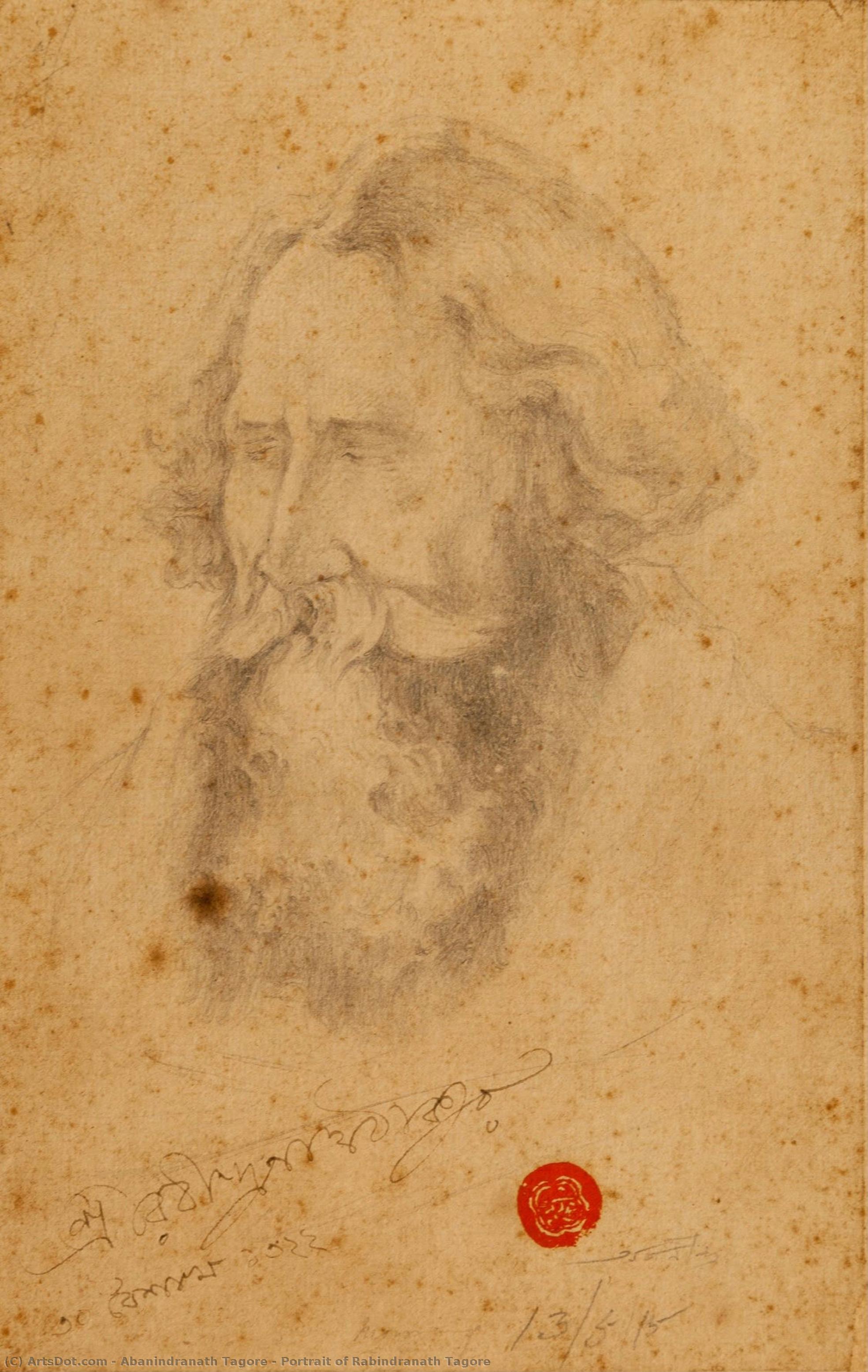
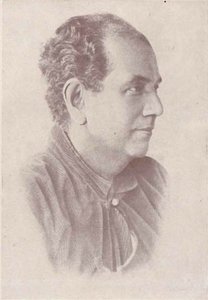
Portrait of Rabindranath Tagore


 Leer más
Reproducción al óleo hecha a mano
Óleo sobre lienzo pintado a mano en el tamaño y marco de su elección, realizado por encargo por nuestros artistas. ( Pedir impresión Comprar descarga)




P118B $10

P118H $10

P118W $10

P438Z $10

P508JH $12

P508YH $12

P805H $10

P805Z $10

P919BZ $10

P919G $10

P919XJ $10

P959ZH $10

P968JZ $12

W106C $8

W218G $10

W218JH $8

W218Y $10

W307PJ $10

W316G $10

W316PJ $8

W316Y $10

W398PJ $8

W4111J $10

W500HY $15

W500JH $15

W692G $12

W849H $8

W940BG $15

W953PJ $8




Elija entre nuestros tamaños predefinidos que respetan las proporciones originales de la obra.

Puede ingresar sus propias dimensiones para adaptarse a un marco o espacio específico. Si el tamaño seleccionado no coincide con las proporciones de la imagen original, recortaremos la obra o extenderemos la pintura con elementos adicionales pintados a mano. Se le enviará una maqueta digital para su aprobación antes de comenzar la producción.
Tenga en cuenta que la vista previa en pantalla no refleja el recorte o la extensión reales. Solo la maqueta mostrará con precisión la composición final.
Si bien existen tamaños personalizados, recomendamos seleccionar una dimensión de la lista predefinida para preservar las proporciones originales.
Tras realizar el pedido, el equipo de ArtsDot.com enviará un correo electrónico al cliente para solicitar instrucciones y proporcionarle una vista previa del boceto.
Envío a todo el mundo () en 3-4 semanas en lugar de las 5 semanas estándar. (21 agosto). Sin comprometer la calidad.

Envío exprés gratuito a todo el mundo

Lienzo de lino de alta calidad

Seguro de envío completo

Garantía de reembolso de aranceles aduaneros

Garantía de fidelidad cromática exacta

Política de devolución de 60 días (solo por defectos)

Garantía de devolución del 100% del dinero

Oferta por volumen
 La opción de vidrio solo está disponible en tamaños inferiores a 110 cm.

Portrait of Rabindranath Tagore
Técnica de reproducción
Tamaño de la reproducción
-


Precio total
$ 263
Descripción de la obra
Portrait of Rabindranath Tagore: A Bridge Between Tradition and Modernity
The image before you – “Portrait of Rabindranath Tagore” by Abanindranath Tagore – isn’t merely a likeness; it's a carefully constructed statement, a deliberate attempt to redefine Indian art within the context of its time. Painted in 1907, this work stands as a pivotal moment, marking the genesis of the Bengal School of Art and challenging the prevailing Western artistic dominance that had infiltrated India’s burgeoning art scene. Tagore, a nephew of the literary giant Rabindranath Tagore, wasn't simply capturing his subject; he was crafting an emblem of a new Indian identity – one rooted in tradition yet embracing a forward-looking aesthetic.
Tagore’s artistic journey began with formal training in Europe, studying under European masters and absorbing their techniques. However, a profound disillusionment with the perceived materialism and emotional detachment of Western art led him to seek inspiration within India's rich artistic heritage. He turned to the Mughal miniature paintings – renowned for their intricate detail, stylized figures, and use of vibrant colors – alongside the Rajput painting tradition, characterized by its bold lines, dramatic compositions, and focus on heroic narratives. Crucially, he also drew heavily from Indian folk art, particularly Patachitra (scroll paintings), incorporating their distinctive patterns and symbolic imagery.
A Synthesis of Styles: Mughal, Rajput, and Folk
The portrait itself is a masterful synthesis of these diverse influences. Tagore’s use of muted earth tones – ochre, sienna, and indigo – echoes the palette of Mughal miniatures, lending an air of solemnity and gravitas to the subject. The figure of Tagore is rendered with a deliberate flatness, reminiscent of traditional Indian painting techniques, where depth was suggested through layering and color rather than linear perspective. Notice the stylized rendering of his beard and mustache, a characteristic feature borrowed from Mughal portraiture. Yet, elements of Rajput art – such as the dramatic lighting and the suggestion of movement in the background – are subtly integrated.
The backdrop is equally significant. It’s not a realistic depiction of a studio or location; instead, it's an abstracted representation of a wall covered with Sanskrit script. This deliberate inclusion underscores Tagore’s intellectual background and his deep connection to Indian culture and philosophy. The calligraphy serves as a visual anchor, grounding the portrait in its historical and cultural context.
Symbolism and National Identity
Beyond mere aesthetics, “Portrait of Rabindranath Tagore” is laden with symbolism. The subject’s gaze is direct and unwavering, conveying an air of quiet dignity and intellectual strength. The simple robe he wears – a deliberate rejection of Western attire – symbolizes his commitment to Indian values and traditions. The overall composition evokes a sense of timelessness and spiritual depth, reflecting Tagore's own philosophical beliefs.
This painting wasn’t simply about portraying a man; it was about articulating a vision for a new India—one that would embrace its artistic heritage while engaging with the modern world. It represented a conscious effort to establish an independent Indian art identity, free from colonial influence and rooted in the nation's own cultural roots.
A Legacy of Artistic Innovation
“Portrait of Rabindranath Tagore” is more than just a beautiful painting; it’s a foundational work of modern Indian art. It paved the way for the Bengal School of Art, which profoundly influenced generations of Indian artists and helped to shape the country's artistic landscape. The painting’s enduring appeal lies in its ability to seamlessly blend tradition and modernity, offering a poignant reflection on identity, culture, and the power of art to inspire and transform.
Obras relacionadas
Biografía del artista
Vida Temprana y Antecedentes
- Nacimiento: 7 de mayo de 1861, Joransanko, Calcuta, India Británica
- Fallecimiento: 5 de diciembre de 1951
- Familia: Miembro de la distinguida familia Tagore; sobrino de Rabindranath Tagore. Su abuelo fue Girindranath Tagore y su padre Gunendranath Tagore.
- Educación: Estudió en el Colegio Sanskrit de Calcuta en la década de 1880 y luego asistió a la Escuela de Arte de Calcuta.
Desarrollo Artístico e Influencias
- Primeros Estudios: Aprendió pasteles de O. Ghilardi y pintura al óleo de Charles Palmer en la Escuela de Arte de Calcuta.
- Estilos Mughal y Rajput: Buscó modernizar estos estilos, rechazando los modelos occidentales.
- Valores Swadeshi: Incorporó valores Swadeshi en su arte, promoviendo las tradiciones indias.
- Aestheticismo de Whistler: Influenciado por los principios estéticos de Whistler.
- Influencia Japonesa: Más tarde incorporó tradiciones caligráficas chinas y japonesas a su estilo después de conocer a los artistas Tikan y Hesida.
Obras Principales y Contribuciones Artísticas
- Rohini II: Una obra notable que muestra su habilidad artística.
- El Paso de Shah Jahan: Otra pintura significativa que refleja su estilo.
- Flor de Temporada en un Jarrón: Demuestra su dominio de la técnica y el tema.
- Serie de Las Mil y Una Noches (1930): Considerada uno de sus logros más destacados, utilizando historias de Las Mil y Una Noches para explorar Calcuta colonial.
- Bharat Mata: Una pintura significativa que simboliza a la Madre India.
- Fundador de la Escuela Bengalí de Arte: Desempeñó un papel fundamental en la configuración de la pintura india moderna y la promoción del arte nacionalista.
- Sociedad de Arte Oriental Indio (1907): Fundó esta sociedad para promover las formas tradicionales de arte indio.
Legado y Significado Histórico
- Pionero de la Pintura India Moderna: Reconocido como una figura clave en el desarrollo del arte indio moderno.
- Influencia en Artistas Posteriores: Mentor de artistas notables como Nandalal Bose, Asit Halder, Kshitindranath Majumdar y Jamini Roy.
- Revival de Formas de Arte Tradicionales: Abogó por un retorno a las técnicas y estilos indios tradicionales.
- Impacto en la Literatura Infantil Bengalí: Escribió libros infantiles influyentes como Rajkahini, Budo Angla, Nalak y Khirer Putul.
- Tesoro Nacional de Arte: Sus obras son consideradas Tesoros Nacionales de Arte.
Abanindranath Tagore
1871 - 1951 , India
Datos clave
- Artistas Influenciados:
- Nandalal Bose
- Kshitindranath Majumdar
- Jamini Roy
- Artistas Que Influyeron:
- Whistler
- Mughal artistas
- Rajput artistas
- Fecha De Fallecimiento: 5 de diciembre de 1951
- Fecha De Nacimiento: 7 de mayo de 1871
- Lugar De Nacimiento: Jorasanko, India
- Movimiento Artístico: Bengal School of Art
- Nacionalidad: Indio
- Nombre Completo: Abanindranath Tagore
- Obras Notables:
- Rohini II
- Paso de Shah Jahan
- Flor de temporada
Artículos relacionados
Acuarelas Legendarias: 10 Obras Maestras que Transformaron el Arte | ArtsDot
Descubre 10 acuarelas legendarias de Turner, Monet y Sargent que revolucionaron el arte. Explora la historia, técnica y belleza de estas obras maestras impresionistas y románticas. Reproducciones de museo en ArtsDot.com.
Ephemeral Visions: Exploring the Artistic Legacy & Contemporary Practice of Watercolor Painting
Explore the captivating world of watercolor painting! Discover its rich history, essential techniques, influential artists & collecting tips. A comprehensive guide for art enthusiasts from ArtsDot.
Visiones Efímeras: Historia y Resonancia Emocional de la Pintura Acuarela
Descubre la fascinante historia de la acuarela, desde sus orígenes hasta su expresión contemporánea. Explora técnicas, artistas clave como Paul Klee y encuentra reproducciones de alta calidad en ArtsDot.
Ephemeral Visions: Exploring the Artistic Legacy & Nuances of Watercolor Painting
Explore the captivating world of watercolor painting! Discover its rich history, essential techniques, influential artists & collecting tips from art experts. A comprehensive guide for enthusiasts.
La Fascinación Duradera de la Acuarela: Historia, Técnicas y Práctica Contemporánea
Descubre la fascinante historia y las técnicas de la acuarela. Explora obras maestras, aprende con expertos y encuentra reproducciones o comisiones personalizadas en .