

 Compartir
 Compartir
 Ver detalles

 Descargar
 Ver similares
 Presentación de diapositivas
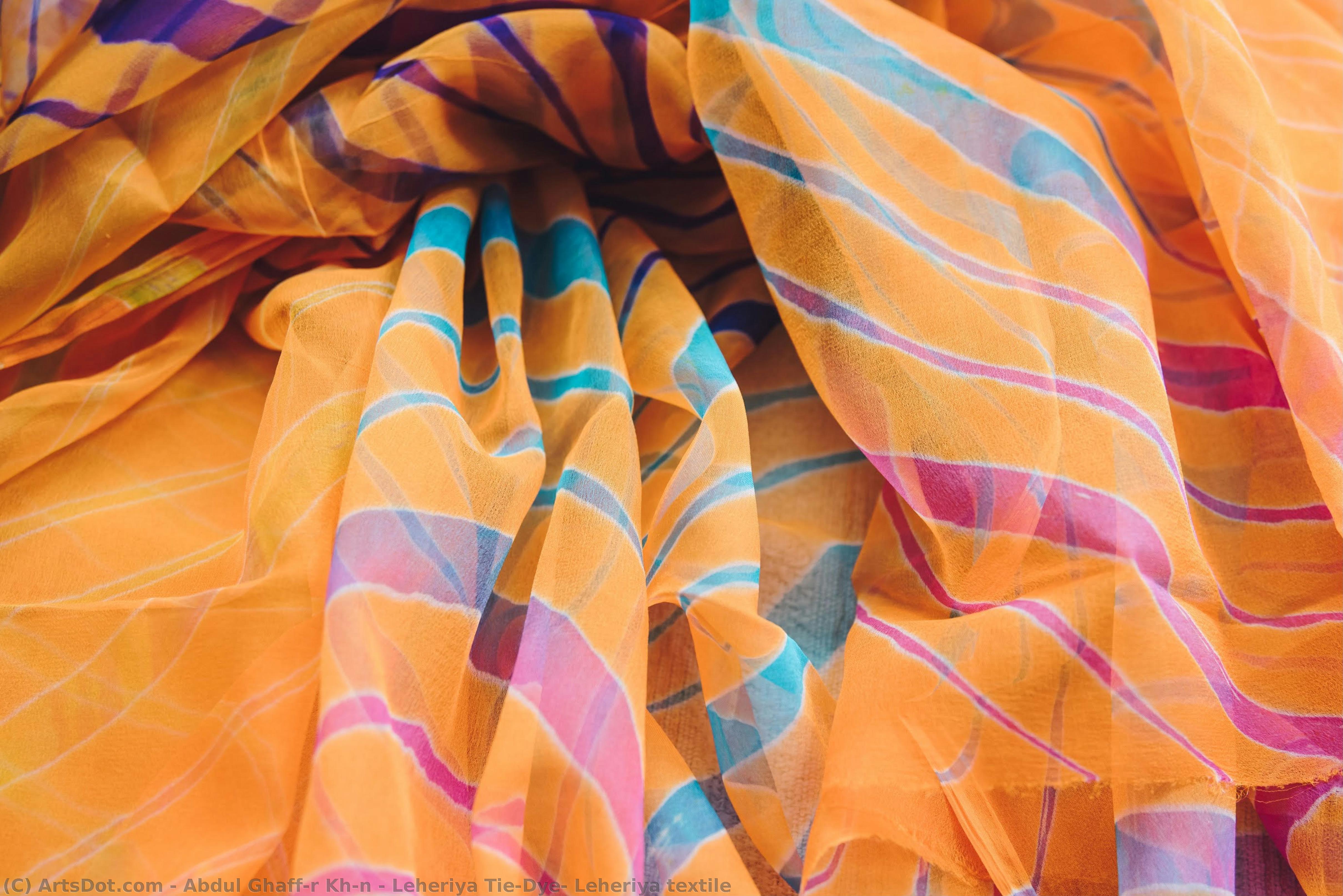
Leheriya Tie-Dye: Leheriya textile


 Leer más
Giclée / Impresión de arte
Impresiones giclée o en lienzo de calidad de museo con producción rápida y opciones de acabado flexibles. ( Encargar reproducción pintada a mano Comprar descarga)




































Elija entre nuestros tamaños predefinidos que respetan las proporciones originales de la obra.

Puede introducir sus propias dimensiones para adaptarse a un marco o espacio específico. Si el tamaño seleccionado no coincide con las proporciones de la imagen original, recortaremos la obra de arte o extenderemos la imagen con un borde con efecto espejo o de color sólido. Se enviará una maqueta digital para su aprobación antes de que comience la producción.
Tenga en cuenta que la vista previa en pantalla no refleja el recorte o la extensión real. Solo la maqueta mostrará con precisión la composición final.
Aunque existen tamaños personalizados, recomendamos seleccionar una dimensión de la lista predefinida para preservar las proporciones originales.
Envío a todo el mundo () en 2 semanas en lugar de las 4/5 semanas estándar. (20 agosto)

Envío exprés gratuito a todo el mundo

Lienzo de lino de alta calidad

Seguro de envío completo

Garantía de reembolso de aranceles aduaneros

Garantía de fidelidad cromática exacta

Política de devolución de 60 días (solo por defectos)

Garantía de devolución del 100% del dinero

Oferta por volumen
 La opción de vidrio solo está disponible en tamaños inferiores a 110 cm.

Leheriya Tie-Dye: Leheriya textile
Giclée / Impresión de arte
Tamaño de la reproducción
-


Precio total
$ 62
Descripción de la pieza
A Symphony of Color: The Vibrancy of Leheriya Tie-Dye
In the realm of textile arts, few traditions capture the rhythmic pulse of life as vividly as Leheriya Tie-Dye. This particular piece, attributed to the legacy of abdul ghaffār khān, serves as a breathtaking window into the soul of Pakistani heritage. At first glance, the eye is immediately drawn to the sun-drenched yellow background, a canvas of warmth that radiates an almost tactile heat. Across this luminous base, waves of cerulean blue and energetic orange dance in undulating patterns, mimicking the gentle ripples of water or the shifting dunes of a desert landscape. The technique creates a visual movement so fluid that the fabric ceases to be a mere object and instead becomes a living, breathing composition of light and motion.
The artistry behind this textile lies in the ancient, meticulous process of tie-dyeing, where the "Leheriya" style—derived from the Hindi word for wave—is achieved through precise folding and binding. Each stripe is a testament to the artist's patience, as the resistance created by the bindings allows the dyes to bleed into the fabric in soft, organic gradients. This method produces a rhythmic, striped effect that feels both structured and spontaneous. The interplay between the cool blue tones and the fiery orange accents creates a chromatic tension that is balanced by the stabilizing presence of the yellow ground, resulting in a masterpiece of color theory that remains eternally fresh and eye-catching.
Historical Resonance and Cultural Spirit
While abdul ghaffār khān is historically revered as a pillar of nonviolent activism and political leadership, his connection to the aesthetic spirit of his region offers a profound layer of meaning to this work. To view this Leheriya textile is to touch the cultural fabric of a lineage that values resilience and beauty in equal measure. The patterns seen here are not merely decorative; they are echoes of a shared heritage, representing a tradition passed down through generations of artisans who found ways to express joy and identity through color. There is a certain spiritual lightness in these waves, a sense of peace that mirrors the pacifist ideals associated with the artist's historical persona.
For the discerning collector or interior designer, this piece offers more than just visual stimulation; it provides an emotional anchor for a space. The vibrant energy of the orange and blue can serve as a focal point in a contemporary gallery setting, while its organic, wave-like motifs lend a sense of tranquility to a serene residential sanctuary. Whether presented as a framed textile art piece or integrated into a luxurious decor scheme, this reproduction brings with it an aura of timelessness. It is an invitation to celebrate the intersection of historical depth and pure, unadulterated aesthetic pleasure, making it a profound addition to any collection dedicated to the world's most exquisite folk traditions.
Obras relacionadas
Biografía del artista
Abdul Ghaffar Khan (1890-1988): The Voice of Nonviolent Resistance
Abdul Ghaffar Khan, known as Bacha Khan & Frontier Gandhi, was a Pashtun independence activist and spiritual leader renowned for his unwavering commitment to nonviolent resistance against British rule in India. His life’s journey embodies the spirit of pacifism and Hindu-Muslim unity—a legacy that continues to inspire generations.- Early Life and Activism: Born in Utmanzai, Peshawar Valley, Pakistan, Ghaffar Khan's upbringing instilled a deep respect for tradition and a profound understanding of Pashtun culture. Initially drawn to the British Army, he rejected military service due to moral objections against colonial oppression. This pivotal decision propelled him into the burgeoning nationalist movement, where he quickly distinguished himself as a charismatic orator and organizer.
- The Artistic Spark: Despite his prominence in political leadership, Ghaffar Khan’s artistic inclinations remained largely unexplored. However, anecdotal evidence suggests that he possessed an innate appreciation for beauty and symbolism—a reflection of his spiritual convictions. Notably, Nandlal Bose's “Baul,” showcased at the National Gallery of Modern Art in Delhi, served as a visual inspiration, mirroring the contemplative ethos prevalent during the British Raj.
- Vasily Vereshchagin’s Influence: The realist masterpiece "Blowing from Guns" by Vasily Vasilievich Vereshchagin—depicting the brutal realities of colonial warfare—likely resonated with Ghaffar Khan's sensibilities. Like Vereshchagin, he sought to capture the essence of human experience through unflinching honesty and artistic skill.
- The Khudai Khidmatgar Movement: Recognizing the limitations of conventional political tactics, Ghaffar Khan founded the Khudai Khidmatgar (“Servants of God”) movement—a revolutionary force for nonviolent resistance. This initiative mobilized thousands of Pashtun volunteers who adopted a distinctive red military uniform and swore an oath to uphold moral principles above all else.
- Legacy and Recognition: Ghaffar Khan’s unwavering dedication to pacifism earned him international acclaim, culminating in nomination for the Nobel Peace Prize. His profound impact on Indian history is cemented by his role as a mentor to Mahatma Gandhi—a partnership that solidified the ideals of Hindu-Muslim unity and transformed the landscape of colonial resistance. He was awarded Bharat Ratna, India’s highest honor, recognizing his contribution to the nation's freedom struggle.
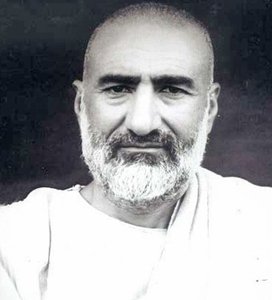
Abdul Ghaffar Khan
1890 - 1988 , Pakistán
Datos clave
- Artistic Movement Or Style: Nonviolent Resistance
- Artists Or Movements Influenced By This Artist: ['Vasily Vasilievich Vereshchagin']
- Artists Who Influenced This Artist: ['Nandlal Bose']
- Date Of Birth: 1890
- Date Of Death: 1988
- Full Name: Abdul Ghaffar Khan
- Nationality: Pakistani
- Notable Artworks: ['Lion and Lion']
- Place Of Birth: Urzangani, Pakistan
Artículos relacionados
Las 10 Obras Maestras del Azul Pizarra: Arte, Historia y Decoración
Descubre las 10 pinturas más famosas dominadas por el azul pizarra. Explora la historia, técnica y belleza de Monet, Van Gogh y otros maestros. Encuentra reproducciones de arte exclusivas para decorar tu hogar en .
The Allure of Azure: Exploring the Symbolic & Aesthetic Depths of Blue in Art History
Explore the rich history of blue in art! Discover its symbolism, from ancient pigments to modern masterpieces by Kandinsky & Seurat. Uncover the psychological impact and cultural meanings behind this captivating hue.
Los 10 cuadros más famosos dominados por el 'amarillo cromo': Arte y decoración
Descubre los 10 cuadros más emblemáticos dominados por el 'amarillo cromo': Van Gogh, Monet y otros maestros. Historia del arte, técnicas y decoración con lienzos impresionistas. ¡Explora la colección completa en ArtsDot.com!
Los 10 cuadros más famosos dominados por el ocre amarillo: Arte y decoración atemporal
Descubre los 10 cuadros más famosos con tonos ocres amarillos. Explora la historia de Van Gogh, Monet y otros artistas clave del impresionismo y postimpresionismo. Encuentra reproducciones de arte de museo en .
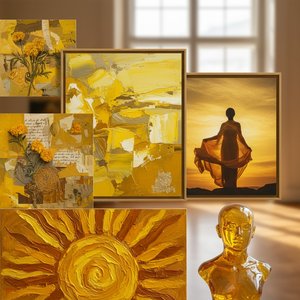
The Golden Hue: Exploring Symbolism & Emotion in Yellow Art
Explore the rich symbolism & emotional power of yellow in art history! From Van Gogh to Kandinsky, discover how artists used this vibrant hue. Expert analysis & high-quality reproductions at ArtsDot.

