

 Ver en contexto
 Enviar
 Compartir
 Detalles

 Descargar
 Similares
 Radiografía
 Presentación de diapositivas
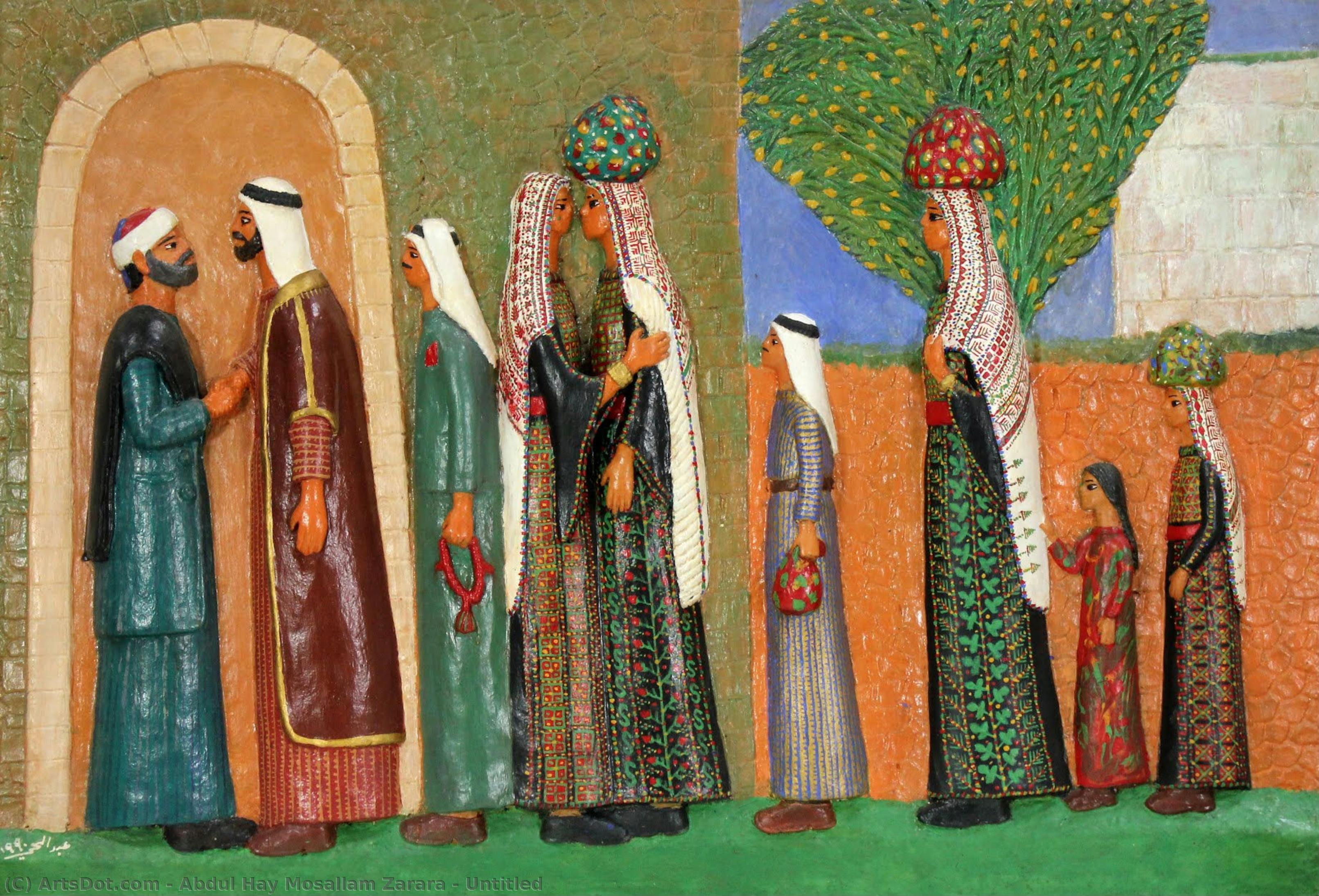
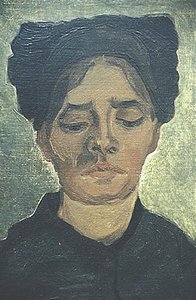
Untitled
 56.0 x 82.0 cm
 Fundación Barjeel de Arte
 Ver más
Adquiera una imagen digital de alta resolución y optimizada, muy superior a la vista previa en línea.
Cada archivo es preparado meticulosamente por nuestros especialistas internos mediante el uso de herramientas avanzadas y un experto retoque manual. Nos aseguramos de que cada imagen posea una claridad excepcional, una precisión cromática impecable y un detalle minucioso.
El archivo final se entrega por correo electrónico en un plazo de 72 horas, optimizado para su uso inmediato en entornos profesionales, editoriales y de impresión. Esta es la misma calidad en la que confían los estudios de diseño, las editoriales y las galerías de primer nivel.
Imagen Digital
Descarga un archivo de alta resolución para exhibición personal, impresión y proyectos creativos. ( Comprar impresión Comprar pintura hecha a mano)
Incluido en cada pedido de imágenes digitales
Entrega digital experta, garantizada.
Al elegir ArtsDot.com, no solo está adquiriendo una imagen; está recibiendo una obra de arte digital mejorada profesionalmente, elaborada con precisión y respaldada por una garantía de satisfacción. Esto es todo lo que incluye su pedido, automáticamente:

Entrega rápida por email
Recibirá su archivo de imagen digital en alta resolución por correo electrónico en un plazo de 72 horas tras realizar su pedido, listo para su uso inmediato.

Archivo digital optimizado por IA
Su obra de arte se optimiza profesionalmente mediante herramientas avanzadas de IA y edición manual, garantizando el máximo detalle, claridad y precisión cromática.

Reenvío gratuito de por vida
¿Has borrado o perdido tu archivo por error? No te preocupes: te lo volveremos a enviar en cualquier momento, sin coste adicional.

Sin gastos de importación, siempre
Disfrute de su obra de arte al instante sin aduanas, aranceles ni gastos de envío; las descargas digitales siempre están libres de impuestos.

Garantía de fidelidad de color
Garantizamos que su imagen digital refleje los colores originales con la mayor fidelidad posible, mediante el uso de herramientas profesionales y gestión del color.

Garantía de satisfacción de 60 días
Si no está satisfecho con su imagen digital, la revisaremos o le reembolsaremos el 100% en un plazo de 60 días, sin preguntas.

100% Garantía de devolución de dinero
¿No está satisfecho? Obtenga un reembolso completo dentro de los 60 días posteriores a la recepción de su archivo digital, sin necesidad de explicaciones.

Descuentos por pedidos grandes
Compra 3 imágenes, ahorra 10% - Compra 5, ahorra 15% - Compra 10+, ahorra 20%. Ideal para proyectos creativos, galerías y agencias.
Obras relacionadas






Biografía del artista
Abdul Hay Mosallam Zarara: A Voice of Palestine Through Sculpture
Abdul Hay Mosallam Zarara (1933 – 2020) stands as a singular figure in Palestinian art, recognized for his distinctive approach to archiving the recent histories of his people—a method characterized by meticulous recreations of daily life from memories of his lost village and imbued with a profound connection to Palestinian culture. Born in Al-Dawha, Palestine (near Hebron), Zarara’s artistic journey began without formal training, yet blossomed into a prolific career marked by exhibitions across the Middle East and Europe. His legacy resides not merely in quantity but in quality—in artworks that resonate with authenticity and convey a critical perspective on Palestinian experience.Early Life and Artistic Beginnings
Zarara's formative years were shaped by displacement following the Nakba of 1948, an event that forced him to flee Al-Dawayima at just fifteen. This experience instilled in him a deep understanding of resilience and exile—themes that would permeate his artistic output. Initially drawn to clay sculpting, Zarara’s breakthrough came unexpectedly when he encountered a magazine cover depicting the defiant face of an elderly Palestinian woman alongside the words “We will not forgive.” Inspired by this image and recalling his childhood observation of a carpenter skillfully filling holes in wood with sawdust and glue, Zarara embarked on a transformative experiment. Combining these elements—sawdust, glue, and acrylic paint—he created sculptural reliefs that captured scenes from daily life—farmers tending their fields, women gathering in the market—transforming simple materials into powerful symbols of Palestinian heritage and resistance. As critic Muhammad Abu Zurayq eloquently described it, “From the depths of the Palestinian village, Abdul Hay Mosallam Zarara emerged laden with songs, mawwals, mijana, and ataba, which would be an important element in his artistic works.” He is a natural artist who expressed the memory of the Palestinian place in all its mythological and historical dimensions, evoking customs and traditions, mythical figures, and oral and non-verbal folklore, drawing on a memory rich with details of childhood in the Palestinian village, and from poetry and popular epics, and songs of the samer and weddings, recording all of that in a beautiful artistic language.Technique and Artistic Style
Zarara’s technique distinguishes him as a pioneer within Palestinian art. He eschewed academic training, prioritizing instinct and observation—a decision that resulted in artworks imbued with remarkable sincerity. His method involved layering sawdust and glue onto wooden slabs, meticulously shaping the resulting surface to recreate evocative depictions of Palestinian life. This process yielded distinctive reliefs characterized by vibrant colors and emotive subject matter, reflecting Zarara’s unwavering commitment to portraying the realities faced by his people. He considered this moment the inception of his art practice—a deliberate rejection of conventional artistic conventions in favor of a more visceral and expressive approach. His works are notable for their blending of traditional Palestinian motifs with modern techniques—a testament to Zarara's profound connection to his homeland.Major Works and Themes
Zarara’s oeuvre is notable for its exploration of pivotal moments in Palestinian history—the Nakba, the siege of Beirut during the Lebanese Civil War, and the ongoing struggle for liberation. His paintings frequently depict scenes from daily life—farmers tending their fields, women gathering in the market—celebrating Palestinian culture and heritage amidst adversity. Particularly poignant are his depictions of wedding celebrations, where he captures the vibrant costumes and folklore songs of Palestinian women—a testament to Zarara’s ability to distill complex emotions into simple visual representations. Furthermore, Zarara confronted Israeli violence and occupation head-on through symbolic imagery and metaphorical narratives, cementing his role as a voice for Palestinian resilience. Notable works include “The Young Women’s Dance” (1986), which exemplifies Zarara's masterful blending of traditional motifs with modern techniques—a reflection of his profound connection to his homeland.Legacy and Recognition
Abdul Hay Mosallam Zarara’s contribution to Palestinian art extends beyond his artistic creations; he established The Naji Al Ali Fine Arts Gallery in Damascus alongside Mustafa El Hallaj, providing a crucial platform for showcasing Palestinian artists' work and amplifying their voices. His unwavering dedication to preserving Palestinian heritage and confronting injustice earned him the Mahmoud Darwish Award in 2014—a testament to Zarara’s enduring influence on Palestinian culture and artistic expression. He continued his artistic endeavors until his passing in 2020, leaving behind a legacy of resilience and resistance embodied in his distinctive sculptural paintings that serve as windows into the past and beacons of hope for the future.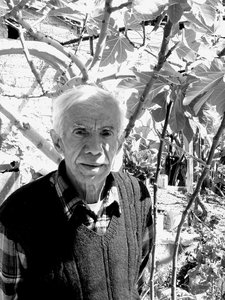
Abdul Hay Mosallam Zarara
1933 - 2020 , Palestina
Breves datos
- Artistic Movement Or Style: Self-taught
- Date Of Birth: 1933
- Full Name: Abdul Hay Mosallam Zarara
- Nationality: Palestinian
- Notable Artworks: ['Untitled']
- Place Of Birth: Al-Dawha, Palestine

