

 Ver en contexto
 Enviar
 Compartir
 Detalles

 Descargar
 Similares
 Radiografía
 Presentación de diapositivas
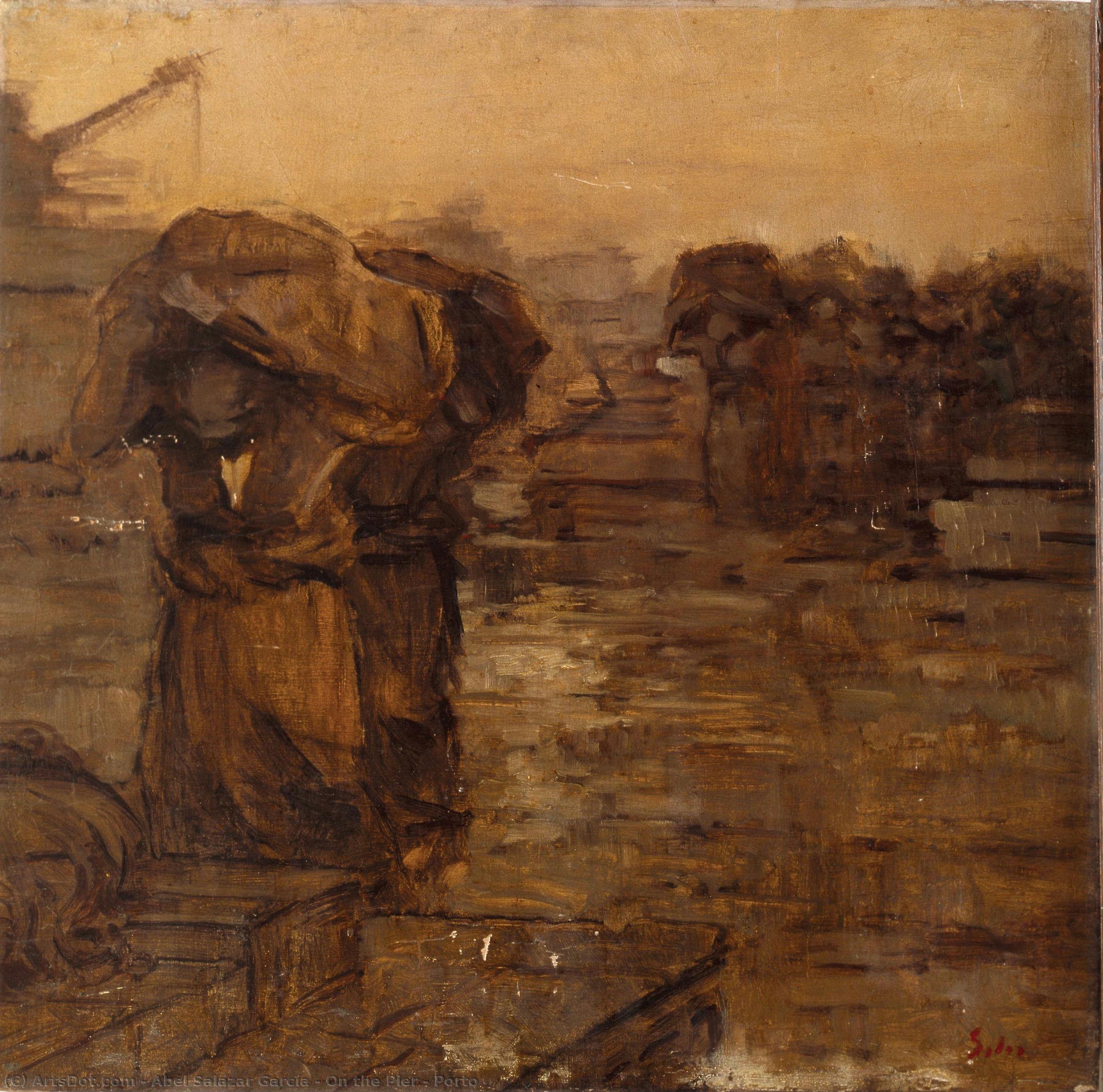
On the Pier – Porto
 Oil On Canvas
- WallArt
- Neo-Realism
 1930
1930 70.0 x 70.0 cm
 Museu do Chiado - National Museum of Contemporary Art
 Ver más
Reproducción al óleo hecha a mano
Óleo sobre lienzo pintado a mano en el tamaño y marco de su elección, realizado por encargo por nuestros artistas. ( Comprar impresión Comprar imagen)




P118B $10

P118H $10

P118W $10

P438Z $10

P508JH $12

P508YH $12

P805H $10

P805Z $10

P919BZ $10

P919G $10

P919XJ $10

P959ZH $10

P968JZ $12

W106C $8

W218G $10

W218JH $8

W218Y $10

W307PJ $10

W316G $10

W316PJ $8

W316Y $10

W398PJ $8

W4111J $10

W500HY $15

W500JH $15

W692G $12

W849H $8

W940BG $15

W953PJ $8




Elija entre nuestros tamaños predefinidos que respetan las proporciones originales de la obra.

Puede ingresar sus propias dimensiones para adaptarse a un marco o espacio específico. Si el tamaño seleccionado no coincide con las proporciones de la imagen original, recortaremos la obra o extenderemos la pintura con elementos adicionales pintados a mano. Se le enviará una maqueta digital para su aprobación antes de comenzar la producción.
Tenga en cuenta que la vista previa en pantalla no refleja el recorte o la extensión reales. Solo la maqueta mostrará con precisión la composición final.
Si bien existen tamaños personalizados, recomendamos seleccionar una dimensión de la lista predefinida para preservar las proporciones originales.
Tras realizar el pedido, el equipo de ArtsDot.com enviará un correo electrónico al cliente para solicitar instrucciones y proporcionarle una vista previa del boceto.
Envío a todo el mundo () en 3-4 semanas en lugar de las 5 semanas estándar. (27 agosto). Sin comprometer la calidad.

Envío exprés gratuito a todo el mundo

Lienzo de lino de alta calidad

Seguro de envío total

Garantía de reembolso de impuestos aduaneros

Garantía de fidelidad cromática exacta

Política de devolución de 60 días (solo por defectos)

Garantía de devolución del 100% del dinero

Descuento por cantidad
 La opción de vidrio solo está disponible en tamaños inferiores a 110 cm.

On the Pier – Porto
Técnica de reproducción
Dimensiones de la reproducción
-


Precio total final
$ 263
Descripción de la obra
A Moment on the Pier – Abel Salazar’s Porto
Abel Salazar García's “On the Pier – Porto,” painted in 1930, isn’t merely a depiction of a rainy day; it’s a poignant snapshot of early 20th-century Portuguese life, imbued with a quiet dignity and social awareness rarely found in contemporary art. The painting captures a scene along the Ribeira do Porto docks – not a grand vista of commerce or maritime power, but rather a humble tableau of everyday people navigating a persistent drizzle. The work’s enduring appeal lies in its ability to evoke a specific time and place, transporting the viewer to a moment of quiet observation within a bustling urban environment.
Salazar's style leans heavily into the tenets of Social Painting, a movement gaining traction in Portugal during this period. Rejecting the idealized portrayals common in academic art, he sought to represent the lives and struggles of ordinary people with honesty and empathy. His palette is deliberately restrained – a muted range of browns, greys, and ochres—reflecting the dampness and earthy tones of the dockside setting. This limited color scheme contributes significantly to the painting’s somber mood, emphasizing the weight of the weather and the subdued nature of the scene.
The Figures and Their Narrative
The composition is anchored by two central figures: a man carrying an oversized umbrella, his face partially obscured, and a woman holding a smaller one. These individuals are not presented as heroes or protagonists; instead, they are simply observed, their actions suggesting a routine interaction within the larger community. Around them, other figures – laborers, vendors, perhaps even casual observers – populate the pier, each contributing to the sense of collective experience. The artist’s loose, expressive lines and slightly flattened perspective create an immediate connection with the viewer, as if we are witnesses to this fleeting moment.
Notably, Salazar avoids romanticizing the scene. There's no dramatic gesture or heroic pose; instead, the figures move with a quiet purpose, their faces reflecting a blend of resilience and resignation. The umbrellas themselves become symbolic – shields against the elements, perhaps representing a shared struggle against adversity. The positioning of the figures also subtly suggests a hierarchy, with the man in the larger umbrella taking precedence, though this is not asserted through any overt gesture or expression.
Historical Context and Artistic Influences
“On the Pier – Porto” emerged during a period of significant social and political change in Portugal. The early 20th century witnessed growing urbanization, industrialization, and increasing awareness of social inequalities. Salazar’s work reflects this evolving consciousness, aligning him with the broader trend of Social Painting that sought to document and critique the realities of everyday life. He drew inspiration from European Realist painters like Gustave Courbet and Jean-François Millet, who similarly depicted working-class subjects with unflinching honesty.
Interestingly, Salazar’s work also foreshadowed developments in Brazilian Neo-Realism, particularly the approach of Júlio Pomar, who would later champion a similar commitment to social engagement within his art. The artist's focus on portraying the lives and experiences of ordinary people—particularly those marginalized by society—demonstrates a remarkable prescience.
A Timeless Reflection
“On the Pier – Porto” is more than just a painting; it’s a meditation on human experience, resilience, and the quiet dignity of everyday life. The evocative use of light, color, and composition creates a powerful emotional resonance, inviting viewers to contemplate the shared humanity that connects us all. The work's enduring appeal lies in its ability to capture a specific moment in time while simultaneously speaking to universal themes of community, hardship, and hope—a testament to Abel Salazar García’s artistic vision.
Obras relacionadas






Biografía del artista
early life and career
abel salazar garcía, a renowned mexican actor, producer, and director, was born on september 24, 1917, in mexico city, mexico. his life's trajectory is marked by an illustrious career spanning over four decades, with appearances in 70 films between 1941 and 1989. he began his theatrical journey performing in amateur productions during his youth, honing his craft and developing a passion for storytelling.
His initial foray into cinema occurred in 1941 with “La Casa del Rencor,” showcasing his talent as an actor and establishing him as a promising performer within the burgeoning mexican film industry. Shortly thereafter, he collaborated with Chano Urueta on “El Conde de Montecristo,” cementing his position among the leading actors of the era.
artistic pursuits
Despite primarily focusing on acting, abel salazar garcía possessed a remarkable openness to exploring themes that challenged societal norms. This intellectual curiosity manifested in his involvement with projects addressing sensitive subjects like homosexuality and the anxieties prevalent during his time—a testament to his artistic vision and willingness to engage with complex ideas.
notable filmography and collaborations
Salazar’s cinematic repertoire is impressive, encompassing films such as “El Coyote” (1955), “Los Tres García” (1946), “La Panchita” (1948), “Me ha besado un hombre” (1949), and “Valentín de la Sierra” (1968). His collaborations with directors like Jorge Sánchez Cervellón and José María Valtierra yielded memorable performances that captivated audiences.
personal life and legacy
He married Alicia Cárdenas, daughter of President Lázaro Cárdenas, in 1944, forming a significant partnership both personally and professionally. Their union produced two daughters: Alicia Salazar Cárdenas and Leticia Salazar Cárdenas.
Salazar’s influence extended beyond his acting career; he established Cinematográfica ABSA., pioneering the production of films exploring social issues and contributing to mexico's cinematic heritage. His dedication to artistic expression and advocacy for progressive values solidified his place as a cultural icon.
legacy in the art world of ArtsDot.com
Although not directly featured in ArtsDot.com’s collections, Abel Salazar García’s contribution to mexican cinema—particularly his exploration of human emotion and social commentary—resonates deeply within the broader context of latin american artistic endeavors. Collectors interested in delving into mexico's cultural landscape may find inspiration in obras maestras like “El Coyote” and “Los Tres García,” reflecting a commitment to storytelling that transcends conventional boundaries.

Abel Salazar García
1917 - 1995 , México
Datos clave
- Artistic Movement Or Style: Expresionismo
- Artists Or Movements Influenced By This Artist: ['Mexican Cinema']
- Artists Who Influenced This Artist: ['Federico García Lorca']
- Date Of Birth: September 24, 1917
- Date Of Death: October 21, 1995
- Full Name: abel salazar garcía
- Nationality: Mexicano
- Notable Artworks:
- La Casa del Rencor
- El Coyote
- Place Of Birth: Ciudad de México, México
Artículos relacionados

Romantic Realism's Finest: 10 Masterpieces for Your Home | ArtsDot
Explore 10 defining masterpieces of Romantic Realism! Discover Courbet, Millet & Daumier's powerful paintings—capturing emotion and social realities. Find museum-quality reproductions for your home at ArtsDot.com.

Los 10 Maestros de los Años 30: Arte Icónico para Decorar con Estilo
Descubre los 10 cuadros más emblemáticos de los años 30: Dalí, Magritte y Kahlo. Explora el surrealismo, art déco y la historia detrás de estas obras maestras. Reproducciones de arte en ArtsDot.com.

Ecos de la Sociedad: El Legado Duradero del Realismo Social en el Arte
Descubre el fascinante mundo del Realismo Social. Explora sus orígenes, artistas clave y su impacto duradero en la historia del arte. ¡Encuentra reproducciones de alta calidad en ArtsDot!

The Poetic Truth of Observation: Exploring 19th-Century Realism in Painting
Explore the captivating world of 19th-century Realism! Discover key artists like Courbet & Millet, masterpieces, and the powerful social commentary behind this influential art movement. Expert insights at ArtsDot.
The Evocative Embrace of Reality: Exploring Romantic Realism in 19th-Century Painting
Explore the captivating world of Romantic Realism! Discover key artists like Courbet & Millet, masterpieces, and the social context behind this influential art movement. Expert insights for collectors at ArtsDot.

